



























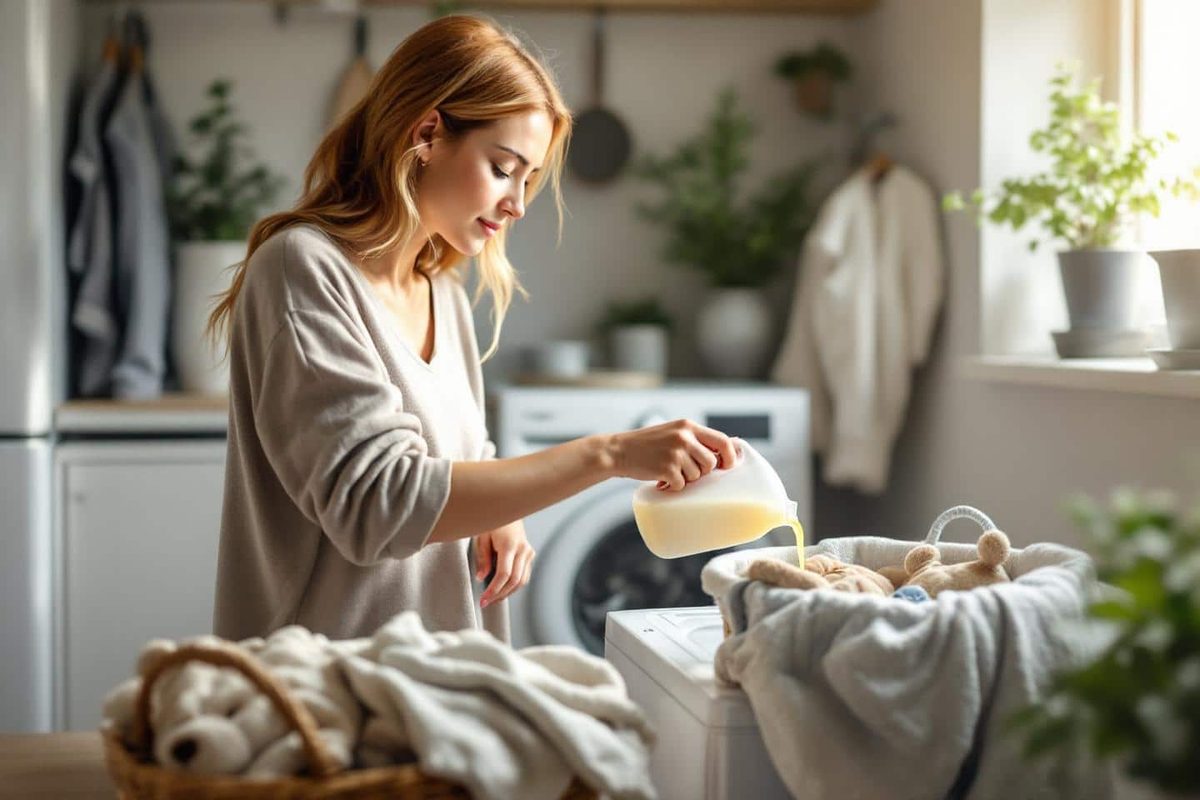
Every week, millions of families slide a capful of fabric softener into their washing machine. It’s a ritual. We want fluffy sheets. Scented pajamas. Clothes that smell like “clean.” But behind this comforting habit, there is an invisible threat. It targets the skin of the youngest among us. Redness. Itching. Sudden patches of irritation. If you think these autumnal discomforts are normal, look closer. The answer might be in your laundry routine. Specifically in that popular fabric softener. Why does this simple gesture worry parents so much? Especially now, as October chills set in and cozy sweaters for toddlers come out of storage.
Зміст
The Scent Trap and Hidden Chemicals
Fabric softener sells itself on its comforting aroma. It signals cleanliness and softness. In many homes, it is nearly indispensable. Particularly for children’s laundry. We want to wrap them in a soft cocoon. The promise is simple. Soft touch. No static cling. A delicious scent. But what is the real cost to health?
Beneath that nostalgic smell lie chemical substances far less reassuring. Manufacturers compete to create fragrances that last longer. These often mask harmful compounds that remain on textile fibers. Their effectiveness in creating a fresh impression is undeniable. Yet these agents raise serious questions. Especially for people with sensitive skin.
Decoding the Ingredients: Allergens and Hidden Chemicals
You need to look at what is actually in that liquid. Many traditional softeners rely on cationic surfactants. These molecules coat the fibers. They reduce friction. That is how they make fabric feel slippery and soft. But they also leave a residue. This residue stays against the skin all day. For a baby with delicate skin, this is not ideal.
Many products contain fragrances. Synthetic fragrances are among the top causes of allergic contact dermatitis. They are not listed individually on labels. They are grouped under the vague term “parfum” or “fragrance.” This hides specific allergens like limonene or linalool. These compounds can oxidize over time. Oxidized fragrances are more likely to cause skin reactions.
Another common ingredient is quaternary ammonium compounds. Known as “quats.” These are antimicrobial. They kill bacteria. But they can also disrupt the skin barrier. Research suggests a link between frequent exposure to quats and increased risk of eczema in children. If your child has dry patches or rashes that flare up after laundry day, check the bottle.
Some brands market their products as “natural.” But even natural fragrances can be irritating. Essential oils like lavender or tea tree oil are potent allergens for some. They are not safer by default. Just because something comes from a plant does not mean it is gentle on compromised skin.
Consider the rinse cycle. Softeners are designed to stay on the fabric. They do not rinse out completely. This means every time your child moves, that chemical layer rubs against their skin. Over time, this buildup can lead to chronic irritation. It is not always an immediate allergic reaction. Sometimes it is a slow, cumulative effect.
Parents often switch brands thinking the problem is the scent. They might try a “hypoallergenic” version. But many of these still contain the
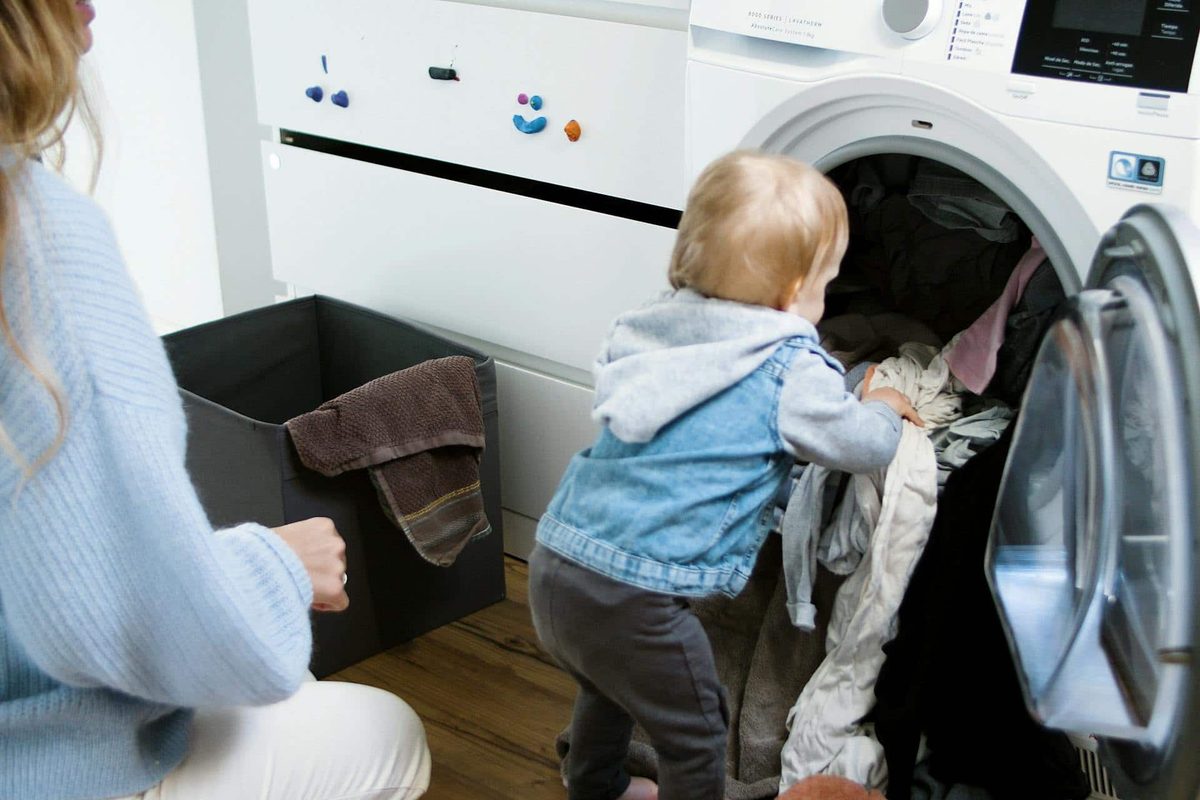

Most standard fabric softeners are chemical cocktails. You look at the ingredient list and see a galaxy of substances. Synthetic fragrances. Preservatives. Surfactants. Sometimes even dyes.
They stay on the fabric. Wash after wash.
For adults, this might just be a matter of sensitivity. But for children? The skin barrier is still developing. It is thinner. More permeable. These invisible residues cling to their clothes. Every time they move. Every time they sweat. Even minor friction can trigger a reaction.
It is a startling realization for families who think they are doing the right thing by making clothes smell nice and feel soft.
The Hidden Risks of Fabric Softener on Children’s Clothing
The most immediate consequence is skin irritation. You might not notice it at first. It starts as subtle dryness. Then comes red patches. Persistent itching. This gets worse in autumn when children layer up. More clothes mean more friction against the skin. More trapped chemicals.
But there is a more dangerous, often overlooked risk.
Many children’s sleepwear and onesies have flame-retardant treatments. These are applied during manufacturing to limit fire spread.
Fabric softener interferes with these treatments. It coats the fibers. It reduces the effectiveness of the safety barrier.
A gesture meant to be comforting. A soft sheet. A pleasant scent.
It actually compromises safety. In a fire, that protection fails faster. Every second counts. Do you really want to gamble with that?
Switching Habits Without Losing Softness
Abandoning commercial softener does not mean accepting rough, static-charged laundry. You can keep the cloud-like feel without the chemical load.
White vinegar is the primary alternative. It is cheap. Effective.
It naturally softens fibers. It strips away detergent residue. It neutralizes odors. There is no chemical smell left behind once dry. Just clean cotton.
Lanolin wash balls are another option. They tumble in the drum. They separate fibers. They reduce drying time. And they eliminate static.
Here is how to implement it:
- 15 cl of white vinegar in the softener dispenser for every load
- 3 to 6 wool dryer balls per load for softer textiles
- Organic cotton cloths or washcloths washed without additives
- Tiny amounts of mild essential oils added occasionally (avoid for infants)
These methods preserve the longevity of fabrics. They protect sensitive skin. They ensure the integrity of safety treatments remains intact.
Daily Routine Adjustments for Better Health
Simplicity is key.
Wash at moderate temperatures. Use less detergent than the bottle suggests. Rinse extra if needed.
Choose natural fibers. Cotton is breathable. It is easier to wash without harsh additives.
In autumn, when layers pile up, vigilance becomes essential. The skin is vulnerable. The chemicals are still there, working their way into pores.
Reclaiming simple laundry habits reconnects you with basic care. It is about the best for your family. No sacrifice of comfort. No loss of the cozy feeling when you pull warm towels from the dryer.
Skipping fabric softener for kids is not a chore. It is protection. For their skin. For their safety. For the environment.
As the cold sets in, changing this one habit limits skin issues. It protects the whole household.
Isn’t the real softness just the feeling of clean, safe care?