
You can buy the best flooring. You can arrange the furniture until your arms give out. But let’s be honest. Without the right accessories, your house is just a box with good bones. It’s empty. It’s waiting for you to inject some soul into it.
Home décor isn’t just about what you live in. It’s about what you live with.
Start by picking a vibe. Do you want serenity? Go for light wicker and pale woods. Want something more regal? Heavy, dark wood sets a staid tone. Hardwood adds warmth underfoot. Lighting changes the mood instantly. But these are just the bones.
To make a space feel like yours, you need personality. You need the objects that tell your story.
“It’s the accessories you choose that distinguish your house from your neighbor’s and make you feel like you’re really home.”
These aren’t just decorations. They’re functional. They’re emotional. They reflect who you are. Here is the first step in curating that collection.
Зміст
10. Teapots
We’re starting small. Intentionally small.
Teapots might seem like an odd place to begin a list of major home accessories. But consider their role. They are comforting. They are ritualistic. There is a history here that goes back centuries.
A teapot on the counter isn’t just a container. It’s an anchor.
Why start here? Because it’s the most accessible entry point. You don’t need to renovate. You don’t need to drill holes. You just need to choose something that feels right to you.
- Comfort : The act of making tea is calming. The object should reflect that.
- History : Vases and teapots have long historical significance. They connect you to the past.
- Functionality : They serve a purpose. They aren’t just for show.
You don’t need a matching set. You don’t need to spend a fortune. You need something that sparks a feeling. Maybe it’s your grandmother’s china. Maybe it’s a quirky ceramic piece you found at a market.
It’s about the story. Not the price tag.
This is where it begins. With a single object. A small shift. A tiny rebellion against the sterile, generic look of modern retail.
What comes next?


It’s the first thing you reach for. When life falls apart or hits a high note, the kettle whistles and the pot heats up. It’s comfort in a cup. Families gather around it. The smell alone is enough to lower your shoulders.
But this humble vessel has a deep history that most people ignore.
Tea has been drunk for millennia. The teapot? Not so much. Those didn’t show up until the 1500s. Before that, people just steeped leaves in bowls or cups. The design shift changed everything.
The Yixing Origin Story
The first real teapots came from one specific place. Yixing in China’s Jiangsu province. They weren’t made of porcelain or steel. They were carved from Yixing teapots using a unique purple clay known as zisha.
This clay was rare. You couldn’t find it anywhere else on Earth.
The material had a strange property. It was porous. It absorbed the oils and aromas of whatever tea you brewed inside it. If you made oolong on Monday and Earl Grey on Tuesday, your Tuesday tea tasted like oolong. It built up a flavor profile over time.
People in that era didn’t use tea strainers. They drank directly from the spout. The pot was personal. Many households owned multiple pots, rotating them based on the tea type. It was a ritual.
Spread Across Borders
The design didn’t stay in China. It moved west. It traveled across Asia and eventually landed in Europe.
That’s where afternoon tea became a thing. The British took the concept and ran with it. They added saucers. They added milk. They added sugar. But the core function remained the same. Hold hot water. Release the leaves slowly. Pour carefully.
Teapots Today
Walk into a modern kitchen and you’ll see a huge range of options.
There are still Yixing teapots being made. Purists swear by them for their flavor-enhancing qualities. But most people aren’t brewing complex oolongs in clay. They’re using stainless steel infusers or French presses.
Then there’s the aesthetic side. Many pots are treated as art. Porcelain sets with hand-painted flowers. Glass pots that show off the color of the steep. Insulated carafes for keeping things hot on a long trip.
They’re centerpieces. Heirlooms.
“Many teapots are passed down through generations, bringing a touch of family history to the home’s décor.”
You don’t just buy a pot. You inherit a tradition. Or you start one.
9. Vases


You probably have at least one sitting on a shelf or table. It’s a safe bet. Vases are ubiquitous in interior design, but their roots go way deeper than just holding a bouquet of lilies. The earliest examples we know of come from ancient Greece, dating back roughly to 5000 B.C. They weren’t art objects then. They were utility. Greeks used them to store food, medicine, oils, and water.
These ancient vessels are more than just old pottery. The carvings and paintings on them offer a rare glimpse into daily life in Greece over five millennia ago. They are historical records in ceramic form.
Chinese Porcelain and Ming Dynasty Collectibles
Across the world, Chinese artisans were also perfecting the craft. The Ming Dynasty, spanning the 14th to the 16th centuries A.D., produced porcelain vases that are still highly sought after. These weren’t just functional. They were elaborately painted masterpieces. Today, a genuine Ming vase is a coveted collector’s item, often selling for significant sums at auction houses. The craftsmanship is exquisite, and the survival rate of these pieces is impressive given their age.
Modern Materials and Uses
Fast forward to today. The material list has expanded. You’ll find vases made from ceramic, crystal, and glass. They serve a dual purpose now. First, they hold fresh or synthetic flowers. Second, they are decorative objects in their own right. The beauty of the vessel often matters as much as its function.
Crystal vases, in particular, have a specific niche. They are popular wedding or anniversary gifts. The clarity and weight of crystal suggest permanence and elegance. It fits the occasion.
8. Designer Storage
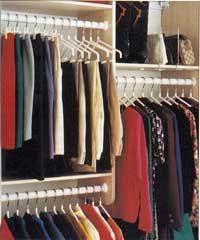

We are drowning in stuff. I don’t mean clutter in the emotional sense. I mean physical objects. Mountains of them. The average homeowner spends a significant portion of their adult life hunting for a place to put a thing that already exists.
This friction has birthed a specific niche in interior design. It isn’t just about hiding things away in the dark. It is about making the act of storage part of the aesthetic. You want shelves that look good. You want bins that don’t scream “utility” when they are visible. You want furniture that does double duty.
Closets That Adapt
Closet organizers are the backbone of this approach. But not just any system. We are talking about modular configurations. You get shelving. You get drawers. You get hanging spaces.
The goal is flexibility. Your needs change. Maybe you had twenty pairs of shoes last year. Today you have twenty-five. A rigid system fails here. A good closet organizer allows you to shift shelves up or down. It lets you add a drawer unit for scarves or tights. It accommodates the snow boots in winter and the sandals in summer.
Most modern systems use standardized hardware. This means you aren’t locked into a specific brand’s proprietary parts. You can swap out a hook for a rod. You can replace a wire basket with a solid wood bin. The key is modularity. If you can’t reconfigure it, you’ve already lost.
Garage Flexibility
Garages are often neglected storage zones. They become dumping grounds for tools and seasonal gear. But modular garage units change the dynamic.
These systems rely on wall-hung panels. Think pegboard, but better. Heavy-duty slat walls or perforated panels mounted to the studs. You attach hooks. You add shelves. You build a cabinet.
The beauty is in the arrangement. You can move a tool bin from one hook to another in seconds. No drilling. No new holes. Just rearrange the layout as your collection of power tools or garden equipment changes. It is total flexibility.
“Modular garage units allow total flexibility for those who want to organize their tools once and for all.”
Why Form Matters
You might think function is enough. Why care about how a storage unit looks?
Because you have to look at it. Every day. If your closet is an eyesore, it adds to the mental noise of your home. If your garage looks like a disaster zone, you won’t want to go there. And if you won’t go there, your tools stay buried.
Design-led storage solves this. It turns maintenance into a non-issue. When the system is clean and attractive, you are more likely to use it correctly. You put things back where they belong. Not because you have to. But because the space rewards order.
Materials and Safety
When building or installing these systems, materials matter.
For closets, look for laminate finishes that resist moisture. Humidity fluctuates in these enclosed spaces. Melamine or thermofoil can warp. Solid wood is durable but expensive. Particle board with a veneer is the budget standard. It works if you don’t overload the shelves.
For garages, steel is king. Powder-coated steel panels resist rust and impact. Wood pegboard is traditional but can splinter or rot if the garage isn
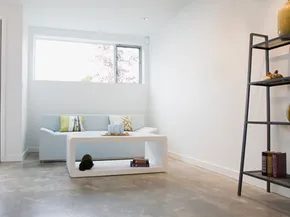
Some folks swear by the “less is more” philosophy. In fact, the best accessory might be no accessory at all. This mindset dominates minimalist décor, which prioritizes clean lines and solid color blocks over chaotic patterns or visual noise. The goal? A space where only essential furniture remains. Everything else gets tucked away in cabinets or closets. Surfaces stay bare. Floors stay clear. It’s not about emptiness, though. It’s about intention.
You still need a few items to keep the space from feeling sterile. But quantity takes a backseat to quality. A single framed print. One meaningful photo. A simple vase with fresh greenery. These pieces complement the look without breaking the aesthetic rules of clutter.
Why does this style work so well? Practicality is a big factor. You spend less time dusting knick-knacks. Cleaning becomes a quick sweep rather than a shuffling marathon. But there’s a psychological layer too. Clutter raises cortisol levels. Removing it lowers stress. When your eyes aren’t jumping from object to object, your mind can finally rest.
The roots of this approach trace back to Japanese architecture. Buddhism and Zen principles heavily influenced these designs. The focus is on mindfulness. Concentration. Self-awareness. You can’t meditate effectively when you’re tripping over piles of stuff. A stripped-down home removes those distractions. It creates a vacuum for calm.
6. Art
Introducing art into a minimalist home requires restraint. A gallery wall is the enemy here. Instead, pick one statement piece. Hang it at eye level. Give it room to breathe. Large-format photography or a bold abstract painting works best. The frame should be simple. Thin metal or light wood. Avoid ornate borders that scream for attention.
Consider the negative space around the art. That empty wall is part of the composition. It lets the piece stand out. If you have multiple works, limit them to a single focal point. Don’t scatter small frames across different rooms. It looks disjointed. It adds visual weight.
Lighting matters. Use a directed spotlight or a slim track light. Harsh overhead lighting flattens the art. Soft, adjustable lighting adds depth. It highlights texture. It creates shadows that make the piece feel three-dimensional.
When selecting art, think about scale. A tiny picture on a large wall looks lost. It makes the room feel smaller. Go big. Or go small but grouped tightly in a curated cluster. Never mix styles randomly. Keep the color palette consistent with the room’s neutral tones. If the walls are white, let the art provide the only contrast.
Materials play a role too. Canvas prints are affordable and lightweight. Metal prints offer a sleek, modern look. Glass frames reflect light, adding a subtle sparkle. Choose based on the mood you want. Matte finishes absorb light. Glossy finishes bounce it. For a true minimalist vibe, matte is usually the safer bet. It doesn’t glare. It doesn’t distract. It just sits there. Quietly.

Art isn’t just a luxury. It’s a staple.
From high-end oil paintings to the crayon masterpiece hanging above the fridge, visual decor is everywhere. You don’t need an interior design degree to fit a piece into your space. You just need to know what vibe you’re chasing.
If you’re leaning toward a modern aesthetic, go bold. A metal wall sculpture hits differently than a dusty vase. Or try a painting with colors that scream. Think electric blue or stark white.
Traditional homes call for different textures. Porcelain. Ceramic. The quiet dignity of a classic landscape painting. Reprints of old masters work wonders here. They anchor a room.
Spiritual decor also fits neatly into this category. A jade Buddha. A rosewood statue. A silver Christian cross. A Star of David. These pieces aren’t just decoration. They’re personal statements. They make a house feel inhabited.
The real advantage? Uniqueness.
You can find one-of-a-kind pieces that no one else has. That matters. It stops your living room from looking like a showroom catalog.
This habit is ancient. Prehistoric humans painted caves. They used walls for communication and decoration simultaneously. Those same caves in France and Spain still draw tourists today. They’re proof that humans have always needed to mark their space.
At its core, decorating is art.
It’s about the careful selection of paint. The right fabric weight. The flooring choice. Matching these elements takes a skilled eye. Most people just hope it looks okay. Pros make it sing.
5. Rugs
Rugs change the temperature of a room. Literally and figuratively.
They soften hard floors. They define zones in open-concept spaces. You can have one large living area but use rugs to create distinct “rooms” for dining and lounging.
Material choice is everything.
Wool is durable. It’s naturally stain-resistant. It feels luxurious underfoot. Perfect for high-traffic living areas.
Synthetic fibers like polypropylene are tougher. They handle spills better. If you have kids or pets, this is your go-to. It’s cheaper, too. You won’t cry if it gets muddy.
Cotton is soft. Breathable. Good for bedrooms. But it shows every speck of dirt.
Silk? It’s beautiful. But treat it like fine china. Avoid it in busy households.
Size matters more than you think.
Too small? The rug looks like a postage stamp. It floats awkwardly in the center of the room. It makes the furniture look disconnected.
The rule of thumb is simple. At least the front legs of your sofa and chairs should sit on the rug. In a dining room, the rug should extend 24 inches beyond the table edge. That way, chairs stay put when pulled out.
Placement is tricky.
Center the rug in the room. Leave equal border space on all sides. About 8 to 10 inches of bare floor is usually safe.
Rectangular rugs work best for living rooms and dining rooms. Square rugs suit bedrooms. Round rugs break up rigid lines. Good for small entryways or as accents in corners.
Layering is a pro move.
Put a smaller, patterned rug over a larger, neutral jute or sisal base.

There is no substitute for the immediate comfort of a rug underfoot. It adds warmth and texture that hardwood, tile, or laminate simply cannot match. For millennia, people have used textiles to define spaces, decorate walls, and warm floors.
Antique rugs often transcend their utility. They become heirlooms. Families pass them down not just as decor, but as tangible history.
The Pazyryk Rug: A Frozen Snapshot of History
The oldest known rug is over 2,500 years old. It is called the Pazyryk rug.
It was discovered in a burial mound in Siberia, near the border with Mongolia. The region was home to the Pazyryk people. The design on the rug mirrors the artistic style of that specific group. This suggests it was woven locally, not traded in from afar.
Its survival is due to ice. The permafrost froze the rug in place, preserving its fibers and dyes. Without that freeze, it would have rotted away.
Persian Mastery and Modern Markets
While the Pazyryk people may have started the tradition, the Persians perfected it. Located in what is now Iran, Persian rug making dates back to at least the 1st century B.C.
For centuries, these rugs have been prized by the wealthy. Collectors across the globe have sought them out for their intricate patterns and quality.
Today, Iran remains a top exporter. The country generates over $500 million annually from handcrafted rugs. Mechanization has changed the industry, but the demand for hand-woven pieces remains strong. Collectors value the unique imperfections and craftsmanship that machines cannot replicate.
4. Personal Collections
Owning an antique rug is not just about decoration. It is about curating a piece of history.
Unlike mass-produced textiles, an antique rug has a narrative. Who wove it? Where was it used? How has it survived wars, migrations, and changes in climate?
When you invest in a rug, you are buying durability. Wool and silk, when cared for, can last centuries. You are also supporting a trade that has persisted for thousands of years.
But the market is complex. Prices vary wildly based on origin, condition, and rarity. A Pazyryk rug, for instance, is priceless in a museum context. A 19th-century Persian carpet might fetch thousands at auction.
Know your sources. Authenticate before you buy. The thrill of finding a hidden gem is real. So is the risk of buying a forgery.

You know the type. That one weird shelf in your living room. The visitors don’t get it. They hover. They squint. They try to decode what that oddity says about you. Is it a sign of deep nostalgia? Or just a lack of storage space?
It doesn’t matter. That clutter is yours. It’s the fingerprint on the glass. Without it, you’re just renting square footage.
Take music. Or movies. Most homes have a shrine to pop culture. CDs. Vinyl. DVD cases stacked like bricks. Guests love to rifle through them. It’s a low-stakes way to judge someone’s taste. They compare their indie rock stash to your generic greatest hits. They look for common ground. Or differences. It’s social currency disguised as decor.
Art collectors do the same thing. But louder.
They don’t hide their rugs or their framed prints in a closet. They put them front and center. It’s the adult version of taping band posters to your bedroom wall in high school. You display what you love right now. Not what you liked five years ago. Maybe not what you’ll like next year.
Houseplants
Then there are the plants.
Not the fake ones. The real ones. The ones that need water. And light. And a bit of patience.
A houseplant is a living piece of decor. It changes with the seasons. It grows. It dies if you forget it. There’s a vulnerability to it that plastic doesn’t have.
People often group them with “boho” styles or minimalist aesthetics. But really, they’re just a way to bring the outdoors in without the mud.
Why choose real plants over artificial ones?
Real plants clean the air. They add humidity. They make a sterile apartment feel less like a hospital room.
Which plants are easiest for beginners?
If you’re killing everything you touch, start with a snake plant. Or a pothos. They survive neglect. They thrive on indifference.
Where should you place them?
Near a window. Obviously. But not in direct scorching sun if they’re shade-lovers. Match the plant to the light. A fiddle leaf fig in a dark corner is a recipe for disaster. A succulent on a north-facing window is a waste of space.
How often do you water them?
This is where people fail. You don’t water on a schedule. You water by feel. Stick your finger in the soil. If it’s dry, add water. If it’s damp, wait. Overwatering kills more houseplants than underwatering.
Keep them in sight. Let them be part of the collection. They’re not just accessories. They’re proof that you can keep something alive.

“Studies have shown that not only do plants remove carbon dioxide from the air and convert it to oxygen, they also neutralize harmful chemicals like polyethylenes and formaldehydes.”
People buy houseplants because they look nice. That’s true. But the real reason you should put one on your windowsill is physiological.
Plants strip carbon dioxide and pump out oxygen. They also neutralize volatile organic compounds. Specifically things like polyethylenes and formaldehydes. These chemicals hang in the air from your new furniture, floor coverings, or that fresh coat of paint on the wall. You probably don’t think about them until you have a headache or a cough that won’t quit.
Some plants are better at this cleanup crew work than others. English ivy. Bamboo. Snake plants. Spider plants. If you want cleaner air, start with those.
The benefits go beyond chemistry though. There’s a psychological component. Studies show plants lower stress levels. They lift your mood. They even boost creativity.
One study found that office workers with plants on their desks had average blood pressure four points lower than those without them. Another study suggested people generated more original ideas when surrounded by greenery.
Think about that. A few leaves on a shelf might help you brainstorm better.
Then there’s the aesthetic angle. Plants are visually appealing. They often come with their own scent. Why spend money on artificial air fresheners when nature has already solved the problem?
Choosing the right plant means matching it to your style. It’s not just about survival. It’s about integration.
- Victorian or classic themes pair well with ferns and vines.
- Modern décor looks great with bold, colored flowers.
- Southwest or earthy designs fit perfectly with cactuses.
You don’t need a green thumb to make this work. If you think you’re too busy to keep plants alive, try the resilient ones. Jade plants. Rubber plants. Spider plants. They don’t need much light. They don’t require frequent repotting. And they forgive you if you forget to water them.
2. Candles
The Science of Scent and Ambiance
Candles are different from plants. Plants are slow. They work over months. Candles are immediate. You light the wick and the room changes.
But not all candles are equal. When you’re looking for home renovation or DIY ideas, don’t just grab the cheapest jar off the shelf. The wax matters. The wick matters. The scent matters.
Paraffin wax is the most common. It’s cheap. It burns bright. But it releases soot. And it can release toxins into the air you’re trying to clean with your plants.
Soy wax is a better option. It’s natural. It burns cleaner. Coconut wax is another solid choice. It has a lower melting point, meaning it releases scent at room temperature too.
If you want to make your own candles, you’re looking for a double boiler. You’ll need wicks. You’ll need a mold or a repurposed jar. And you’ll need fragrance oils that are designed for candle making. Essential oils work too, but they evaporate faster.
Safety First
Fire is real. Don’t ignore it because you’re chasing a spa vibe.
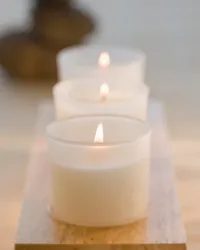
Candles aren’t just about light anymore. They’re mood setters. Warmth. Ambiance. Romance. You keep a stash in the cabinet because power outages happen. But the wax inside has changed a lot since the beginning.
The Romans started it. Rolled papyrus sheets dipped in melted tallow. The Chinese likely did the same with rice paper. Tallow smelled bad when it burned. Messy soot. Debris. A nightmare to clean up.
Beeswax came next. Then whale oil. Then paraffin. Now? Soybean wax is the trend. It’s soft. Burns slow. Odor-free. A big step up from the grease and stink of the ancient world.
They’re not just for lighting a dark room though. Candles have a history in religion too. Hanukkah uses them as the festival of lights. That goes back to 165 B.C. Constantine used them for Easter in the 4th century A.D. The Bible mentions them. Buddhists light them at shrines for enlightenment. Wiccans use them for gods and goddesses during ceremonies.
In your living room? They’re decor. Even if they stay unlit. Pillars. Small votives. Decorative holders. The color and design matter. They complement your home’s style before they even catch fire.
1. Mirrors
You don’t need a fancy chandelier to get that glow. Start with mirrors. Place a candle in front of a mirror. Double the light. Triple the effect.
It’s simple physics. Light hits the glass. Reflects back. Makes the room feel bigger. Brighter.
Pick a thick pillar. Something substantial. Lean it against the mirror frame. Or set it on a stand in front of it. Make sure the mirror is clean. No smudges. Dust kills the reflection.
Use a heat-resistant holder. Safety first. You’re dealing with open flames. Glass can shatter if it gets too hot. Metal or ceramic is safer. Keep a safe distance between the flame and any flammable decor.
Try a group. Three candles in a row. Vary the heights. Short, medium, tall. It creates rhythm. Visual interest. Not just one point of light. A wave of light.
The reflection makes the candle look bigger. More dramatic. It turns a simple snack candle into a centerpiece.
If you have a large mirror. A wall-mounted one. Place a cluster of small tea lights in front of it. Spread them out. Create a constellation effect. The reflections multiply. It’s cheap. Effective. Instant upgrade.
Don’t overdo it though. Too many small flames can look cluttered. Especially if the room is small. One big statement piece often works better. Or a single elegant votive.
Consider the angle. If the mirror is on a wall. Place the candle on a table facing it. If it’s a vanity. Set it on the counter. Adjust until the reflection is clear. Not distorted.
This works with any style. Modern? Clean lines. Minimalist. Traditional? Ornate frame. Gold accents. The candle adapts. It’s neutral. Versatile.
Next time you’re styling a shelf. Think about reflection. It’s not just about what you put on the surface. It
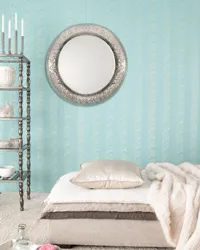
You look at them every day. You check your hair. You check your teeth. You rarely stop to think about the object itself. But a mirror is not just a tool for grooming. It is a trick of the light. It is a shortcut for space.
Add mirrors to your home décor if you want a quick win. They are affordable. They are effective. And they are everywhere.
Making Space With Reflections
The math is simple. Floor-to-ceiling mirrors. Like those on sliding closet doors. They double the visual size of a room. Instantly.
Place one across from a window. Natural light hits the glass. It bounces back into the room. The corners disappear. The space feels wider.
Small mirrors work too. Put them in dark corners. They pull light into the shadows. They brighten up a gloomy nook.
“Mirrors are an affordable, effective way to make your home look more spacious.”
This is not new science. It is old physics. But homeowners forget it. We focus on paint colors. We ignore the walls.
A History of Shiny Surfaces
The first mirrors were not glass. They were polished metal. Silver. Bronze. From the 1st century A.D.
They were hard to use. Heavy. Bulky.
Hand mirrors became popular in the Middle Ages. Full-body versions followed. But the image was often cloudy. Distorted.
Then came the Venetians.
They had superior glasswork. They added glass to the reflective backing. The result was sharp. Clear. True.
Venetian mirrors spread across Europe. Everyone wanted that quality. It became the standard.
As techniques improved, costs dropped. By the 19th century. Most western households had them. Today? You cannot find a home without at least one.
Decorating With Glass
Beyond function, mirrors are art.
They come in every shape. Every size.
Hang a large framed mirror like a painting. It becomes a centerpiece. It anchors a room.
Even small, silver hand mirrors work. Place them on a shelf. They act as complementary accessories. They add texture. They reflect the light from nearby lamps.
Think about placement. Not just size.
Displaying Collections Without Clutter
Many homeowners worry about clutter. Mirrors can help solve that problem.
Choose a dedicated display area. Shelving that matches your décor. Arrange items thoughtfully. Highlight each piece. Do not overwhelm the space.
Use the mirror behind the display. It multiplies the visual impact of the objects. It makes the collection look larger without adding physical items.
Greenery and Glass
How do you incorporate plants in small spaces?
Vertical planters. Hanging plants. They maximize floor space. They add greenery. They improve air quality.
Place a mirror near them. The reflection doubles the foliage. The room feels lush. Alive.
It is a simple combination. Light. Green. Reflection.
The Bottom Line
Mirrors do more than show your face.
They show more room. More light. More depth.
You can buy them cheaply. You can hang them yourself. You do not need a contractor.
Start small. One small mirror in a dark corner.
See what happens.
The light changes. The space expands.
It is that easy.


