
You close your front door. The city noise fades. You kick off your shoes and collapse onto the couch. It’s the only peace you get all day. Then the bass from the unit below starts thumping through the floorboards. Again.
Carpet helps. It absorbs sound. It softens the space. It adds texture and color that can make a room feel designed, not just furnished. But picking the right shade and pile is only the first step. The real question is how it gets down.
You can hire someone. Or you can roll up your sleeves.
These two paths look different on paper. They feel different under your feet. The choice usually comes down to one thing: what are you willing to trade? Money? Time? Your sanity?
If you’re leaning toward doing it yourself, you need to know what you’re signing up for. The savings are real. The risks are too.
Зміст
The Case for Doing It Yourself
Let’s talk numbers first. A pro charges for labor. They charge for old carpet removal. They charge for the hassle of scheduling a window that might not even exist.
When you DIY, you cut out the middleman. Your main costs are the carpet itself and the tools. You can buy them, but renting is cheaper for the bulky gear.
You also control the clock. No waiting for a contractor’s calendar. You start when you’re ready. You stop when you’re tired. You work at your own pace.
Then there’s the result. If you mess up, it’s on you. If you nail it, you’re proud. There’s a specific satisfaction in knowing you built that comfort layer yourself.
But there’s a catch. A big one.
Most carpet manufacturers include a warranty that requires professional installation. If you try to save money and end up with wrinkled seams or stretched edges, that warranty is void. You’re on your own for repairs.
And the work is harder than it looks.
The tools are awkward. The knee-kicker, for instance, is an 18-inch bar with teeth that grip the carpet. You don’t use your hands. You use your knee. It sounds simple until you’ve done it for an hour and your joint is screaming.
The carpet stretcher looks like something from a dungeon. It’s long, heavy, and unforgiving. You use it to pull the carpet tight against the tackless strips along the walls. If you don’t get it tight, the carpet will bulge. It will wrinkle. It will look cheap.
The Reality of the Tools
You can’t fake this with a hammer and a level. You need specific equipment to get a clean edge and a taut surface.
Here is what you’ll need in your garage or toolbox:
- Tackless Strips: These are wooden strips with angled pins. They line the perimeter of the room. The carpet hooks into them, holding everything in place without nails.
- Knee-Kicker: This gets you started. You kick it to jam the carpet into the corners and along the walls before stretching.
- Carpet Stretcher: This is the heavy lifter. It takes over from the knee-kicker to stretch the carpet across the room so it doesn’t wrinkle.
- Seam Roller: Once pieces meet, you press them together. The roller flattens the fibers so the seam disappears. Smooth rollers are standard. Spiked rollers dig deeper for heavier carpets.
Renting these items makes sense. Buying them is only worth it if you plan to install carpet in every room of your life.
Why Pros Still Win on Safety and Speed
It’s easy to think you’re saving cash. But if you pull a muscle with the stretcher, that’s a doctor’s bill. If you tear the carpet trying to force it into place, that’s new carpet.
Professional installers have done this thousands of times. They know how to handle the seams. They know which tackless strips work with hardwood versus concrete. They move fast because they’ve cut out the learning curve.
If you’re unsure, ask yourself this: How much is your peace of mind worth?
Finding a reputable installer in your area is the next step if you decide the risk isn’t worth the reward. But for those who insist on the DIY route, the learning curve is steep. And the margin for error is thin.
One bad stretch and the whole room looks uneven. One missed tack and the carpet shifts every time you walk on it.
It’s a lot of pressure for a floor.
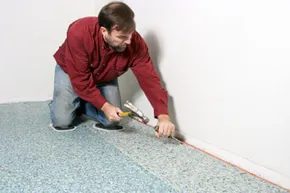

Finding the right pair of hands for your floors isn’t just about speed. It’s about liability. If you skip vetting, you’re gambling with your new investment.
Big box stores employ their own crews. Independent retailers often bring their own teams. The trade-off is simple. You get a bundled warranty. The carpet and labor are covered under one roof. But you will pay a premium for that convenience.
Independent contractors? They are cheaper. But they require work on your part. You have to dig.
Finding Verified Flooring Pros
Don’t just pick the first name that pops up on a map. Use specialized service hubs. These platforms operate on an umbrella model. Installers register here to get visibility. The barrier to entry matters.
Not every guy with a stapler gets listed.
Certification is the filter. It’s not optional. Most credible programs demand proof of longevity. You need at least two years in business before you even apply. Then come the exams. They test your knowledge of floorcovering mechanics. They also cover regulatory compliance and business ethics.
Why does this matter to you?
Because certification provides recourse. If the seams lift or the edges fray, you have a paper trail. You aren’t just dealing with a freelancer who can vanish into the wind. It’s a safeguard.
Still, don’t skip the basics. Ask for references. Look at past projects. A certificate on the wall is nice. Proof of consistent quality is better.
The Installation Timeline
The day of the job usually follows a rigid script. Expect chaos for an hour or two, then order.
First, removal. Your old carpet comes out. Installers will haul it away. This isn’t always free. You’ll likely see an extra line item in the estimate. Don’t argue with it. It’s heavy lifting and landfill fees.
Next, the underpad. This is the secret sauce of comfort. It’s a dense foam layer. It goes directly on the subfloor. It does two things. It cushions your feet. It absorbs sound. Without it, your carpet feels thin. It sounds hollow. You’ll hear every footstep in the house below.
Once the pad is taped and secured, the carpet rolls in.
Pricing and Payment Structures
Payment happens after the job is done, usually. But the numbers should be clear before the first cut.
Contractors rarely charge by the hour for the actual installation. They charge by coverage. The unit is the square yard. Not square foot. Yard.
Expect rates between $3.50 and $6 per square yard. This is labor only. It excludes materials. It excludes the underpad. It excludes disposal.
If your room is odd-shaped, the price might shift. Complex cuts take time. Corners are tricky. Don’t be surprised if the final quote edges toward the higher end.
Why Pay Someone Else to Do It?
You’ve vetted the pro. You’ve agreed to the price. Now, why not just do it yourself?
You could. But professional installation solves problems you haven’t even encountered yet.
1. Proper Tensioning
Carpet must be stretched. Tack strips hold it in place. If it’s loose, it wrinkles. It trips you. It wears out faster. Pros use knee kickers and power stretchers. You can rent a power stretcher. But using it correctly requires muscle and technique. Get the tension wrong, and your new carpet bubbles within a month.
2. Seam Hiding
Large rooms need seams. A pro aligns the pile direction. They melt the fibers together. To the naked eye, it looks like one continuous piece. A DIY seam often looks like a scar. It collects dirt. It frays.
3. Subfloor Prep
Installers spot imperfections. They nail down loose boards. They fill gaps. If you skip this, your carpet will telegraph every bump below it. Smooth floor. Smooth carpet.
4. Waste Reduction
Pros know how to measure and cut with minimal waste. They know the width of the roll. They plan the layout to avoid awkward scraps. DIYers often overbuy. Or they cut poorly and have to patch.
5. Time and Effort
It’s exhausting. Moving furniture. Rolling heavy rolls. Kneeling for hours. For a pro, it’s a Tuesday. For you, it’s a weekend wreck.
The Hidden Variables
Price quotes can be misleading. Always clarify what’s included.
Does the $4.50 per square yard include moving your furniture? Usually not. You have to clear the room.
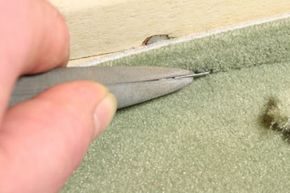
You pay for expertise. That’s the deal. When you hire a pro, you aren’t just paying for labor. You’re paying for the guarantee that the plush won’t ripple three months later. You expect exacting standards. DIY carpeting? That’s a gamble. One wrong move with a knee-kicker and you’re staring at permanent damage. Hire someone who knows the tools—the stretcher, the seam roller, the weird-looking devices that look like they belong in a sci-fi movie—and you sleep better at night.
A stress-free install has specific markers. The carpet hugs the walls. No gaps. No edges showing. The surface is flat. No bumps. No ridges. And the seams? They should disappear. If you can spot them at a glance, the job isn’t done right.
But “professional” doesn’t always mean “perfect.” There are downsides to hiring help. Real ones.
The Hidden Costs of Cheap Labor
Money talks. The biggest drawback to pros is the price tag. It’s always higher than doing it yourself. If you have the time and the steady hands, DIY saves cash.
But here’s the catch. Inflation hits supply costs hard. Many contractors haven’t raised their rates to match. They’re making the same money they did a decade ago, just with more expensive materials. How do they survive? Volume. They rush.
A rushed installer is a dangerous thing. They’re trying to fit more jobs into a single day. Speed kills quality. With carpet, a rushed job leads to visible flaws. Ripples. Loose seams. Gaps along the baseboards.
Warranty Risks and Voided Coverage
Not all pros are created equal. Some aren’t reputable. Some don’t follow the manufacturer’s rules. This matters.
If you buy carpet from a retailer, that retailer often provides a warranty. But here’s the rub. Some warranties require professional installation by certified installers. If you hire an independent handyman who doesn’t meet those criteria, you might void the warranty yourself.
Think about that. You save a little on labor, but if the carpet fails, you’re on your own. The cost to fix a botched install out of pocket is steep. It’s often more than the original installation fee.
Signs of a Botched Job
How do you spot a bad install? Look for these red flags:
- Frayed edges where the carpet meets the wall.
- Misaligned seams. Patterns that don’t match up.
- Bumps and ridges across the floor.
These aren’t just cosmetic issues. They’re structural failures. Fixing them is time-consuming. It’s expensive. It requires re-stretching, re-seaming, or full replacement.
Why Choose Pros at All?
So why hire anyone? Because most of the time, it works. The specialized tools are tricky. A knee-kicker requires precise leverage. A stretcher must be calibrated to the room’s dimensions. A seam roller needs consistent pressure. Do it wrong, and you tear the backing. You create weak spots.
Pros know the tension. They know how to tack down the edges so the carpet stays put. They know how to cut the excess without nicking the subfloor. They know how to blend the seams so the eye doesn’t catch them.
It’s about precision. And precision costs money.
Making the Call
You’re standing at the crossroads. DIY or hire help?
If you’re handy. If you have time. If you’re okay with the risk of a flawed finish, go DIY. Buy the tools. Watch the tutorials. Measure twice. Cut once.
If you value your weekends. If you want a guarantee. If you don’t want to worry about voiding your warranty, hire a pro. But pick carefully. Check reviews. Verify credentials. Make sure they’re authorized to install your specific carpet brand. Don’t just go with the cheapest quote. The cheapest quote often comes with the highest risk.
The floor is waiting. Your choice defines how long it lasts.


