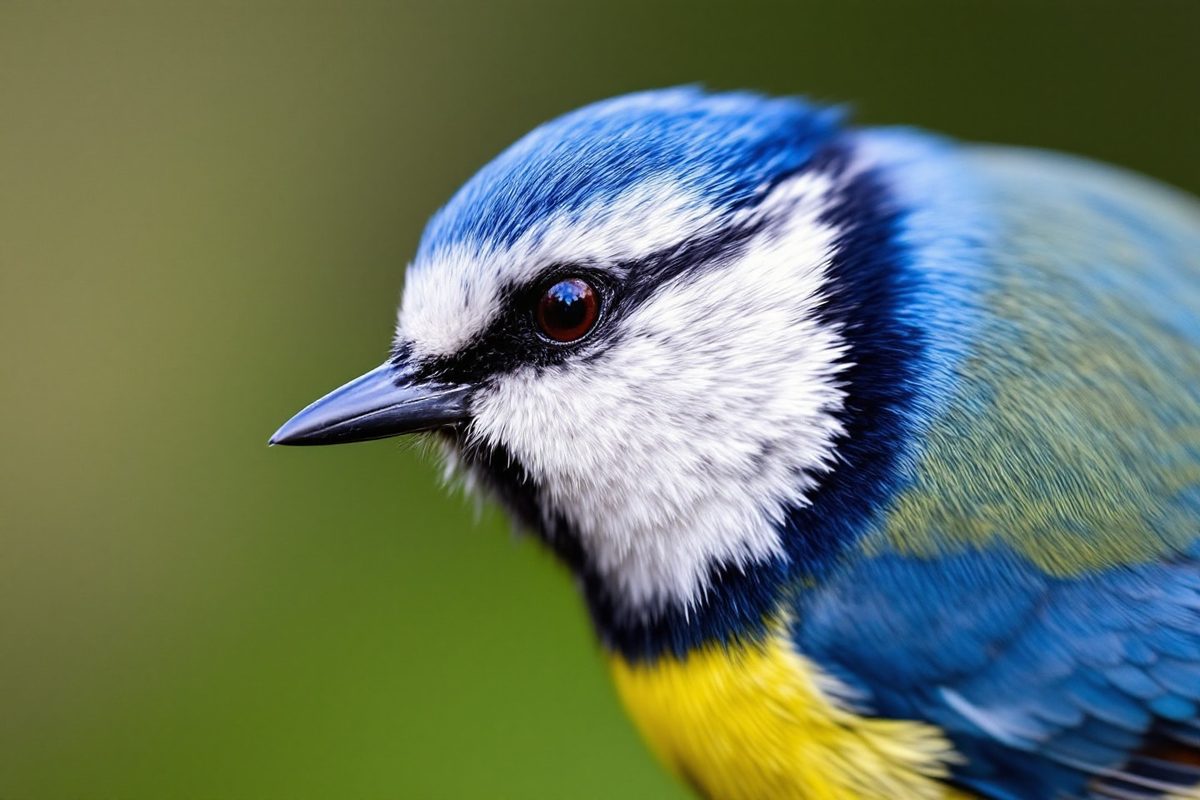
September mornings smell like decay and warm air. The garden turns gold, the light gets lower, and most people start thinking about indoor heaters. They do not think about birds. Yet that small patch of green, the concrete terrace, or the narrow balcony right outside your door is prime real estate for migratory species. If you want to see them, you need to stop guessing. One specific household object, the kind you probably have sitting idle in a kitchen or hallway, works better than any store-bought feeder.
Зміст
The object you already own
It is a ceiling fan. Specifically, the wire guard or cage that holds the blades in place.
Most homeowners assume they need to buy a specialized birdhouse or a fancy acrylic feeder to attract songbirds during migration. They do not. The wire structure of a standard ceiling fan guard is the perfect size, shape, and material for perching. It offers a secure grip for small claws, provides visual contrast against the sky, and requires zero installation complexity compared to mounting a box.
Why this works better than traditional feeders
Traditional feeders often attract squirrels, raccoons, or wasps. They also require constant refilling and cleaning to prevent disease spread. The fan guard changes the dynamic. It is a perch, not a food source. This means you are not competing with predators for food access. You are simply offering a safe resting spot.
Migratory birds, like warblers, finches, and small sparrows, need safe places to land while they search for berries and insects. A wire guard on a balcony railing or a sturdy tree branch offers that safety without the noise and chaos of a crowded feeder. It is quiet. It is stable. It does not smell like old seed.
How to set it up correctly
Do not just throw the guard on a table. That will not work. You need to position it in a way that mimics a natural branch.
- Find the right height. Aim for 4 to 6 feet off the ground. This is the typical perching height for most small songbirds. Lower than that puts them in the danger zone of cats. Higher than that makes it harder for smaller birds to reach.
- Secure the guard. If you are using a balcony, attach the guard to a sturdy railing using zip ties or wire ties. If you are using a tree, wrap it around a sturdy branch. Do not use thin twigs. The guard needs to be immobile.
- Face it correctly. Position the guard so it faces away from dominant wind directions. Birds hate fighting wind while perching. Also, face it toward a nearby food source, like a bush with berries or a spot where you know insects gather.
Tools and safety considerations
You need a ladder if you are mounting this high on a tree or wall. Use a step ladder, not a stepladder on uneven ground. If you are attaching to a wooden rail, use a drill and two 2-inch screws to mount the guard directly. Metal brackets work too.
Check the wire for rust before you start. If the guard is corroded, do not use it. Rust weakens the metal, and you do not want it snapping off with a bird on it. Clean the guard with a wire brush
Making Stale Bread Work for You: The 5-Minute Bird Feeder Hack
Forget the expensive seed mixes at the hardware store. Your kitchen already has what you need. Stale bread, specifically the whole grain or cereal variety, is a surprisingly effective way to attract house sparrows, tits, and robins. The texture and moderate carbohydrate content make it an easy snack for them. But there is a catch. You must use plain, unsalted bread. Industrial loaves loaded with salt or artificial additives will harm the birds. Stick to the natural stuff. It is the difference between a thriving bird feeder and a health hazard.
What You Actually Need From the Pantry
You are not building a complex contraption. The list is short.
- 50 grams of stale bread (whole grain or cereal, no salt)
- 1 tablespoon of vegetable oil (optional)
- A small handful of unsalted sunflower seeds (optional)
The oil keeps the crumbs from blowing away in the wind. The sunflower seeds add variety if you want to be generous. That is it. No gadgets. No fancy mixers. Just crumbs and a flat surface.
How to Set It Up Without Wasting Food
Tear or chop the bread into small, rough cubes. Place them on a small wooden board or a shallow ceramic bowl. You want a surface that is stable and easy to clean. Do not use plastic bags. They trap moisture and create mold. Mold is bad for birds.
Pick your spot carefully. This is where most DIY setups fail. You need a location that is slightly elevated and stable. A windowsill works well if it is deep enough. A low table on a terrace is another option. Make sure it is away from cat paths. Predators will wipe out your bird population quickly if they can reach the food.
Place the feeder near a hedge or a bush. Birds need a safe escape route. If they feel exposed, they will not come back. Keep a clear line of sight from your window so you can watch without disturbing them.
When to Watch and What Else to Offer
The best time to see activity is early morning. From sunrise to late morning is prime time, especially in autumn and winter when natural food sources are scarce. Sit still. Do not move your hands or make sudden gestures. A half-open window and a cup of tea are all you need. Watch from a distance.
If you want to keep them interested year-round, add more variety. Plain cake crumbs work. So do ripe fruits, like apples, pears, or seedless grapes. Crushed hazelnuts are another option. Keep everything unsalted and unsugared.
Do not forget water. A shallow saucer with fresh water is essential. Birds need to drink and bathe. You can also plant a small hedge or some low shrubs near the feeder to provide cover. Even a small patch of tall grass or wildflowers can turn a minimal balcony into a viable habitat. It takes a little effort, but the payoff is seeing local wildlife right outside your window.
Why day-old bread is the easiest way to spot birds in your yard
You don’t need a fancy feeder or a bag of premium seeds. Just grab that loaf you forgot about last week. The crust is hard, the center is dry. That’s exactly what you want. Drop a piece on your balcony, your patio edge, or a low branch. Step back. Wait.
This isn’t about feeding a flock; it’s about triggering a chain reaction. You are turning a waste product into an observation platform. It works in cities and the countryside alike.
How to set up a bread station without attracting the wrong neighbors
Placement matters. Pick a spot where you can see the action without being in it. A windowsill works for sparrows and starlings. A flat stone on the ground is better for ground foragers. Keep it low to the ground. High perches scare the smaller, shyer species.
Check the bread first. If it’s moldy, toss it. Moldy bread is a no-go. Freshness matters, but “stale” is the target texture. Moist, soft bread sticks to beaks and roosts flies. Dry bread breaks apart and stays put.
Why this trick works better than store-bought feeders
Commercial feeders draw crows, pigeons, and sometimes rats. Bread, placed casually, attracts the smaller, less aggressive birds that usually avoid the noise and chaos of a busy feeder. It’s a low-stakes food source. They come, they eat, they go. No territorial fights. No mess.
The real benefit isn’t just the birds. It’s the habit. You start looking outside every morning. You notice the specific bird that comes at 8 AM. You notice the one that only shows up after rain. That shift in attention is the actual payoff.
Safety note: Keep the bread away from children’s reach if you have toddlers. Small pieces are a choking hazard. Also, don’t make this their only food source. This is a treat, not a diet. Supplement with actual seed mix if you want to support their winter survival.
What to do if no birds show up
Give it 48 hours. Don’t move it. Don’t add salt. Don’t add sugar. Just leave it. If nothing happens, check the location. Are there trees nearby for safety? Is it too open? Move it closer to cover. Try a different time of day. Early morning is usually best.
If you’re still seeing nothing, your local bird community might be sparse, or the season is off. Try again in spring. The trick is patience. The birds will find you. They just need to know the spot is safe.
The bread will eventually dry out and blow away. That’s fine. Clean it up. Start over with a fresh piece. It’s a loop. A simple, quiet loop that changes how you see your own backyard.