











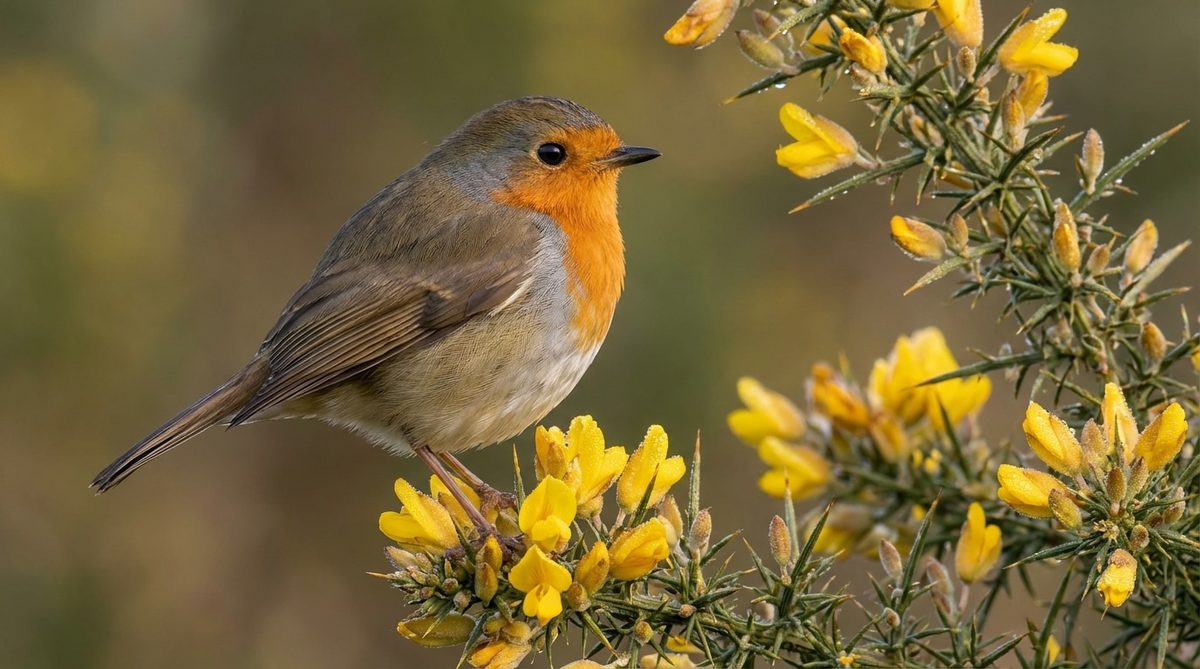
It is one of those crisp, foggy winter mornings where you expect frantic activity outside. The thermometer drops low, triggering the instinct in local wildlife to hunt for any source of energy. In mid-February 2026, with natural larders emptying in the countryside, something strange happened in my garden. The fat balls I had carefully hung and the seed cylinders filled with care remained untouched. Not a peck. No frenzy. The silos were absorbing humidity, and the fat was turning white. It looked like the garden had been deserted. Yet, if you listen closely, the chirping is strong and numerous. My birds have largely migrated to a plant installed without much conviction last spring, abandoning artificial comfort for a fascinating biological reason. This unexpected detour forced me to rethink my entire winter bird-feeding strategy.
Зміст
Why are my fat balls ignored by birds?
The phenomenon started slowly, almost imperceptibly, before becoming a striking reality. Usually, the ritual is unchangeable: as soon as I fill the tube feeders, a squadron of Great Tits and Blue Tits arrives within the hour. This year, the dynamic changed profoundly. The fat balls, rich in suet and supposed to be irresistible in the deep cold, swing alone in the wind.
This mass desertion of usual feeders in mid-season raises questions. I avoided palm oil and plastic netting. The bird population hasn’t dropped; the garden resonates with territorial songs already early for February. The common mistake is thinking that the absence of birds at feeders means they can’t find food. In reality, they’ve just changed restaurants.
Our aids, however well-intentioned, compete directly with the natural offer. If a fresher, safer, or more nutritious alternative exists nearby, survival instinct always pushes the animal toward it. It is a lesson in humility for the gardener who thinks they are saving wildlife with garden center purchases, when nature, even in a small cultivated space, offers much more appealing menus.
The culprit is at the back of the garden: a mundane plant stealing the show
Intrigued by this organized boycott, I followed the movement. I just had to cross the frosted lawn to understand. At the back of the plot, where I had left a slightly wilder area, stands a row of brown, dry, curved stems. This is where everything happens, in this corner of the garden I planned to clean up in autumn before giving up due to lack of time.
The revelation is unexpected: my simple sunflowers are monopolizing all the attention. This plant, often considered mundane or purely decorative, acts as an irresistible magnet. Last spring, I had planted some seeds of Helianthus annuus by chance to fill a gap in a bed. In February, these large faded heads, with the look of plant ghosts, became the nerve center of the garden’s biodiversity.
Why does this giant flower steal the show from sophisticated industrial mixes? It is the triumph of brute simplicity. The sunflower, rich in natural seeds, offers accessibility and perfect structure for passerines. Where the silo imposes an acrobatic position on a slippery metal or plastic surface, the sunflower head offers a wide, textured, and natural landing zone. Birds feel safe there, camouflaged by the brown tones of the surrounding vegetation, far from the often too-visible exposure of artificial feeders.
More than a simple flower: a pantry packed with pure energy
If birds prefer these desiccated vegetal towers, it is primarily for what they contain. The sunflower seed, especially the black or striped type, is an energy bomb. It is saturated with high-quality lipids, essential for maintaining body temperature at 0°C, and proteins needed to maintain muscle mass.
There is a major difference between a seed left on the plant and one dried in an industrial bag. The seed living on the flower has kept its integrity. Its shell has not suffered any thermal or mechanical shock from transport and warehouse storage. It has aged naturally, protected by its cells.
Vitamin and trace element levels are often superior in what is gathered directly from the stalk. Plus, store-bought seeds can oxidize or go slightly rancid if storage was long, losing their appeal. The bird, with its ultra-fast metabolism and sharp senses, does not fall for it. Between a canned good and a fresh fruit picked from the tree, the choice is quick. The standing sunflower is the premium pantry of the winter garden.
Watching birds pick at sunflower heads is basic behavioral biology. There is a visceral pleasure in watching them work. Birds need to forage. It is not wasted energy. It is how they stay alert and warm.
Store-bought mixtures are lazy. They are often expensive and leave messy shells everywhere. Whole seeds force action. Birds have to manipulate, peck, and pry. This wears down their beaks naturally. Ready-made feeders rarely offer that stimulation.
There is also a massive health benefit. Bird feeders are microbial petri dishes if you do not scrub them weekly. You might not notice the grime until disease strikes. When birds crowd around a tray, they trample food. They drop feces. This spreads salmonella and avian pox. Feeding on scattered sunflower heads avoids this close contact. Nature designed a single-seed-per-cell system. Each peck yields a clean seed. No contamination.
Growing Sunflowers for Wildlife
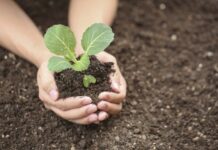
Recreating this next winter requires action this spring. The process is deceptively simple. You do not need a green thumb. Sunflowers grow fast. Plant seeds two centimeters deep in warm soil in April or May. In a few months, you will have a two-meter-tall plant.
Here is how to set it up:
- Pick a spot with full sun. They are named for a reason.
- Sow seeds after the last frost. Late April usually works.
- Water regularly at first. Then let the roots dig deep on their own.
- Skip chemical fertilizer. Compost at the base is enough.
Variety matters here. Ignore double-petaled or pom-pom types. They are often sterile or low on nectar. They are horticultural gimmicks. Go for classic giant varieties like Mammoth or Giant. Multi-branch types are also smart choices. They produce several small heads. This extends the blooming and fruiting period. Rustic varieties yield the most edible seeds for your feathered guests.
The Acrobatic Ballet of Winter
Beyond nutrition, dried sunflowers in the garden provide a visual spectacle. A plastic green tube cannot compete. It is a constant acrobatic display. Watch a blue tit hang upside down from a dried leaf. It works to dislodge a seed hidden under the head. It is graceful movement.
Elegant goldfinches with bright red and yellow touches seem to dance on the brown stems. The stems sway under their light weight. The gymnastics of birds clinging to faded flowers turn a bleak winter garden into a lively scene. It is the aesthetic of the “brown garden.” It celebrates the full life cycle of plants.
To catch this show, follow one golden rule: do not cut anything in autumn.
How do you extend the enjoyment? Leave the heads to dry in place. If they droop too much and risk snapping under rain, stake the stems. Or cut the heads and hang them upside down on a fence or pergola. They become natural sculptures. They weather storms better than expected. They serve as a pantry until the spring warmth returns.
We stopped buying feeders. We stopped buying seed. The shift wasn’t just about saving a few bucks, though that helps. It was about realizing that handing nature a plastic tube full of processed grain is a lazy shortcut. We think we are helping by purchasing accessories and pre-packaged food. We aren’t. We are creating dependency. The real fix lies in production. Autonomous production.
I used to spend hours cleaning plastic bins. I hated the way the wind would catch cheap nylon netting and whip it around the yard. Now, I look at the empty space where those feeders used to hang. It feels like relief. Not a lack of supplies, but a deliberate choice. We have spent too long managing the wild instead of facilitating it.
Why sunflowers are the ultimate zero-waste bird feeder
Plastic degrades. It breaks down into microplastics that eventually end up in soil or water. Sunflowers? They disappear. Or rather, they transform. By switching to planting sunflowers for wild birds, you are building a closed-loop system. The bird eats the seed. The seed passes through. Some fall. Some germinate. The cycle continues without your input.
This is not just about saving money on seed bags. It is about creating a self-sufficient bird habitat using native plants. When you plant sunflowers, you are giving birds a high-energy meal that is chemically pure. No preservatives. No added fats. Just what nature intended.
The most sustainable solution is production, not consumption.
How to set up a natural feeding zone
You don’t need a PhD in ecology. You need a shovel and some patience. Here is the practical side of this transition.
- Choose the right variety. Get hybrid sunflowers bred for heavy seed production. Look for labels like “Mammoth” or “American Giant.” These produce large heads with plenty of oil-rich seeds.
- Plant in clusters. Birds like visibility. Plant them where you can watch from a window, but leave the perimeter wild. A mix of height and openness helps birds spot predators.
- Let them dry. This is the part most people rush. Do not harvest early. Let the stalks brown in the field. The birdproofness of the plant is key. Birds are good at picking through dry husks. They will strip the heads themselves.
- Leave the stalks. In late winter, cut the stalks back or leave them standing. Standing stalks provide perching sites. Birds like to sit high up before diving in for a meal. It saves them energy.
The hidden benefits of a plant-based approach
There is a reason this works so well. Sunflowers support more than just granivores. The foliage attracts pollinators in spring and summer. The roots hold soil. The dead stalks provide shelter for overwintering insects, which then become food for the birds later in the year.
It is a web. A real web. Not a static distribution point.
Consider the maintenance. With plastic feeders, you scrub them. You worry about disease transmission when too many birds crowd a small opening. With sunflowers, the food source is spread out. It is abundant. If one plant fails, ten others