



























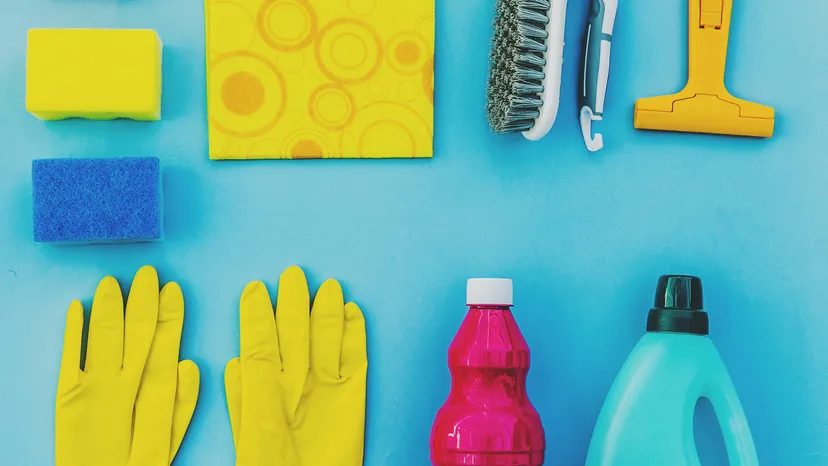
You probably have it sitting under your sink. Maybe you even have two or three different bottles. Household bleach is a staple in nearly every American home, yet most people don’t stop to think about what it actually is or how it functions beyond “makes things white and clean.”
Bleach is a potent chemical tool. You use it to strip stains from clothes, whiten laundry loads, and disinfect surfaces. It’s the go-to for killing mold in the bathroom or scrubbing down the kitchen counter. But understanding the science behind these simple tasks helps you use it safely and effectively.
Зміст
A Quick History of Household Bleach
The word “bleach” has been part of the English language since around 1050. But the liquid version we know today? That’s newer. Sodium hypochlorite bleach was first manufactured in the United States in 1913. Initially, it wasn’t for your home. It was an institutional disinfectant and a water treatment chemical.
Before the 20th century, people relied on borax, ammonia, and lye. Chlorine-based bleaches existed, but they were too expensive for everyday use. That changed when Clorox Chemical (later the Clorox Company) began giving samples to consumers in 1922. It was faster. It was more effective. It beat the older methods hands down.
Today, when you say “bleach,” you almost certainly mean a chlorine bleach solution.
The Two Main Types of Bleach
Household bleaches fall into two primary categories: chlorine bleaches and non-chlorine bleaches. The latter are often called oxygen bleaches.
Both types belong to a class of chemicals known as oxidative agents. This means they cause oxidation when they touch stains, germs, or certain fabrics. Oxidation is a chemical reaction that alters the structure of molecules.
Chlorine bleach relies on sodium hypochlorite (NaOCl) as its active ingredient. Non-chlorine bleaches use different agents depending on the purpose. Hydrogen peroxide is common in color-safe bleaches. Sodium percarbonate or sodium perborate often show up in oxygen power stain removers.
How Colors and Stains Actually Work
To understand how bleach removes a stain, you first need to understand why the stain is there in the first place. Let’s look at a ketchup stain on a white t-shirt.
Light behaves as both a particle and a wave. These particles, called photons, travel in waves with specific lengths. The human eye can only see wavelengths between 400 and 700 nanometers.
If light hits your retina at about 475 nanometers, you see blue. The light reflecting off that ketchup stain hits your eye at about 650 nanometers. Your brain interprets that wavelength as red.
Why red? It’s all about chemistry. Ketchup is made of molecules joined by chemical bonds. The electrons in these bonds absorb certain wavelengths of light. The wavelengths they can’t absorb are the ones reflected back to you. The ketchup absorbs everything except the 650nm light. Hence, red.
The Chemical Mechanism of Stain Removal
Many organic stains contain a network of double bonds between carbon atoms. This structure is what allows them to absorb visible light and create color.
Chlorine bleach is a powerful oxidizer. When it touches those double bonds, it breaks them. Breaking the bonds destroys the molecule’s ability to absorb specific wavelengths of light.
The stain doesn’t necessarily vanish into thin air. The physical remains of the ketchup might still be there. But the part that gives it color is chemically altered. The ketchup stops absorbing light. It reflects all of it, just like the white cotton of the shirt. To the naked eye, the stain is gone. A good soak and wash then rinse away the invisible residue.
Why Bleach Fades Clothes
The same oxidizing power that removes stains also attacks dyes. Sodium hypochlorite doesn’t discriminate between stain molecules and fabric dye molecules. It breaks down chemical bonds indiscriminately.
If you’ve ever dripped chlorine bleach on your favorite jeans and watched them turn a pale, patchy white, you’ve seen this in action. It is highly effective at stripping color.
Non-chlorine bleaches operate differently. Hydrogen peroxide is a weaker oxidizing agent. It can break the bonds in many stains without breaking the stronger bonds that hold clothing dyes in place. That is why it is labeled “color-safe.” It cleans without destroying the dye structure.
Safety and Disinfection
While the chemistry of stain removal is fascinating, the primary use for many homeowners is disinfection. Chlorine bleach is a potent disinfectant. It kills bacteria, viruses, and fungi on hard surfaces.
However, potency comes with risk. Never mix bleach with other cleaners, especially ammonia or acids. The chemical reaction can produce toxic gases. Always ensure good ventilation. Wear gloves if you have sensitive skin. And remember that bleach degrades over time. Old bleach is less effective.
The science is clear. Bleach works by breaking chemical bonds. It alters light reflection. It oxidizes organic matter. Use it with respect, and it’s a powerful ally in keeping your home clean and safe.

The History of Hospital Disinfection
The story of chlorine bleach as a medical tool started in Vienna. It was 1847. Staff at Vienna General Hospital were desperate. Childbed fever was killing women in droves. The infection swept through maternity wards with little resistance. They needed something to stop it.
They chose chlorine bleach.
It worked. The spread of the disease slowed. That single decision changed hygiene forever. Today, the same chemical that saved those patients is standard issue in modern healthcare.
Modern Medical and Industrial Uses
You won’t see bleach in a bottle at home if you’re thinking about dialysis. Hospitals use it to disinfect dialysis equipment. Surgical tools get treated with it. Surfaces in labs and hospitals? Cleaned with it. Even some medical waste is processed this way.
The food industry relies on it too. Listeria doesn’t stand a chance. Salmonella gets wiped out. E. coli disappears. They use it on equipment to keep hazardous bacteria from contaminating food.
Then there’s the water. Municipal supplies add sodium hypochlorite to drinking water. This kills waterborne organisms. Before this practice, Salmonella typhi caused typhoid fever. It killed many people. Now, we don’t think about it. But the bleach is still there, working in the pipes.
It kills Vibrio cholerae too. That’s the bacterium behind cholera. Epidemics of this disease used to be common. They were deadly. In countries without clean water treatment, bleach can still kill these pathogens. It remains a critical defense.
Why Germs Can’t Fight Back
Chlorine bleach is tough on pathogens. It kills methicillin-resistant Staphylococcus aureus. That’s MRSA. It takes out influenza. It kills HIV.
The real advantage? Germs can’t build immunity. They can’t adapt to it. This is different from antibiotics. Bacteria have learned to resist certain drugs. They mutate. They survive. Bleach doesn’t give them a chance to evolve. It just destroys them.
The Science of Oxidation
How does it actually kill them? Oxidation.
Sodium hypochlorite is a powerful oxidizing agent. It’s the same quality that makes it a great stain remover. When it touches a virus, bacteria, mold, or fungus, it oxidizes molecules in the cell. The cell dies.
Scientists also point to hypochlorous acid. This forms when sodium hypochlorite meets water. It breaks down cell walls of some germs. It causes certain proteins to build up in bacteria. The cells can’t function. They collapse.
Non-chlorine bleaches are oxidizing agents too. They can disinfect surfaces. But they’re less potent. Chlorine bleach is stronger. When used properly, it’s the practical choice.
Beyond the Home
Hospital personnel use it. Hotels use it to disinfect bed linens and surfaces. Restaurants use it to clean food preparation areas.
Swimming pools rely on it. It keeps water clean. It helps raise pH. Municipal water supplies use much smaller concentrations. They keep harmful organisms out.
Industrial wastewater gets treated with it. It reduces odor. The glass industry uses it. Chemical plants. Pharmaceuticals. Textiles. Agriculture. Paint. Paper.
It’s everywhere. It’s familiar. Most people know it. But we rarely stop to think about its reach.
Proper Use of Chlorine Bleach
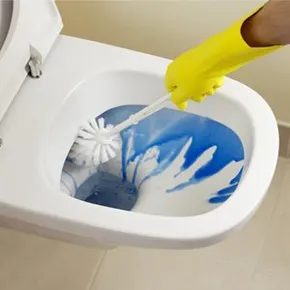
Chlorine bleach isn’t just a cleaning agent. It is a potent oxidizing agent. That means it actively strips electrons from other substances. When it reacts with things it shouldn’t, the results are immediate and toxic. You must never mix chlorine bleach with any other household chemical. The risk of creating hazardous substances is too high to ignore.
Mixing bleach with ammonia produces chloramine gas. Mixing it with vinegar releases chlorine gas. Both are poisonous. You might not realize you’re making poison if you don’t know what’s in your other cleaners. Many disinfectants contain sodium hypochlorite as an active ingredient. They don’t always scream “BLEACH” on the label. Always read the ingredients list before you combine products.
How to Safely Disinfect Surfaces
If you are using bleach to disinfect household surfaces, ventilation is non-negotiable. Open windows. Turn on fans. Do not inhale the fumes. They irritate the airways. They cause coughing and sore throats. They sting your eyes.
Keep the liquid off your skin. It causes redness and irritation. Repeated exposure makes it worse. If it gets in your eyes, rinse them immediately. Call a doctor if the pain persists.
Ingestion is far more dangerous. This is especially true for children. If you or a child swallows bleach, do not induce vomiting. That can cause further damage to the esophagus and throat. Call the Poison Control Center immediately at 1-800-222-1222.
How to Safely Use Bleach for Laundry
Dilution is key when using chlorine bleach for laundry. Never pour it directly onto clothes.
To whiten white clothing, The Clorox Company recommends washing on the hottest setting the fabric label allows. Add 3/4 cups (177 mL) of bleach to the wash cycle. Some fabrics will be destroyed by chlorine bleach. Mohair, wool, silk, and Spandex degrade quickly. Always check the clothing label before bleaching.
For colored garments, perform a bleachability test first. Mix 2 teaspoons (10 mL) of bleach with 1/4 cups (59 mL) of water. Apply a drop to a hidden part of the fabric. Wait one minute. Blot with a towel. Check for color change. If the color bleeds, do not use chlorine bleach.
To pre-soak a white item, mix 1/4 cups (59 mL) of bleach with one gallon of water. Soak for 15 minutes. Then wash as usual.
Disinfecting clothes requires more than just cleaning. Pre-soaking with chlorine bleach and washing in hot water with chlorine bleach is effective. Non-chlorine bleach is not adequate for disinfection. Active ingredients like hydrogen peroxide aren’t powerful enough to kill pathogens in laundry.
For disinfecting dishes or hard surfaces, use a solution of 1 tablespoon (15 mL) of chlorine bleach mixed with 1 gallon (3.8 L) of water. This dilution is strong enough to kill bacteria but safe for most surfaces if rinsed properly.
Environmental Impact of Chlorine Bleach Use
Why Chlorine Safety Isn’t What You Think
We assume bleach is poison because the label screams danger. But the science tells a different story.
The Environmental Protection Agency (EPA) dug into decades of research on chlorinated drinking water. Their conclusion? No link to cancer. No reproductive issues. No birth defects. The fear is mostly in our heads.
It’s the same story in Europe. The European Commission (EC) looked at how we actually meet bleach in real life. It’s skin contact during cleaning. It’s swallowing a sip of pool water. Not the air. Not the soil.
The European Commission determined that there is no evidence of negative health effects due to long-term exposure to small amounts of chlorine bleach.
Breaking Down the Chemicals
So where does it go when you flush it?
The CDC’s Agency for Toxic Substances and Disease Registry tracks this. When sodium hypochlorite hits the air, sunlight breaks it down. Fast. Natural substances in the environment help too.
It doesn’t bioaccumulate. Unlike mercury, which sits in fish and moves up the food chain, sodium hypochlorite vanishes. It doesn’t hide in your body or your dinner.
When it hits water or soil, it splits. You get sodium ions. Calcium ions. Hypochlorite ions.
Do these ions react with other stuff in the water? Probably. But do they harm us? We don’t know. And there’s no significant indirect exposure through the environment. The risk stays local. And short.
Why You Shouldn’t Use Bleach for Skin Conditions
Here is the hard truth. Bleach doesn’t fix eczema. It might calm a flare-up, but it won’t cure the underlying condition. The idea that a dip in diluted bleach water is a home remedy for atopic dermatitis has circulated for years. Some studies suggest it helps reduce Staphylococcus aureus colonization on the skin. That bacteria often makes eczema worse. Reducing it can decrease disease severity.
But reducing symptoms isn’t the same as curing the disease. You still need a treatment plan from a doctor. Relying solely on bleach is risky. The chemical is harsh. It damages skin barriers if used too frequently or at the wrong concentration.
Cleaning Clothes vs. Sanitizing Skin
You have to separate laundry from body care. Your clothes need cleaning. Your body needs gentle care.
Take those tags off new shirts. They tell you to wash before wearing. It isn’t just about removing dust. It’s about residual chemicals from manufacturing. It’s about sizing agents. Washing removes them.
Dry cleaning uses different solvents. It doesn’t use water. It doesn’t use bleach. It handles delicate fabrics that bleach would destroy. Remember that when you are choosing how to clean a wool suit or a silk blouse.
The Science of Sodium Hypochlorite
Sodium hypochlorite is the active ingredient in household bleach. It is a powerful disinfectant. It kills bacteria. It kills viruses. It is used in water treatment plants. It is used in dialysis applications. It is a public health champion.
But that power cuts both ways.
The EPA monitors chlorine levels. They track risks. The ATSDR has data on exposure. High concentrations are dangerous. Inhalation is bad. Skin contact in high doses is bad.
When you mix bleach with other cleaners, you get chlorine gas. This is not a myth. It is a chemical reaction. The result is respiratory distress. You do not want to be in a room where that reaction happens.
Safety Protocols for Home Use
If you are going to use bleach, follow the rules.
- Dilution is key. Never use full strength for cleaning surfaces or laundry. The standard ratio is usually one-half cup per gallon of water. Check the label on your specific product.
- Ventilation. Open windows. Turn on fans. Bleach fumes are heavy. They sink. They stay in the room.
- Protective gear. Wear rubber gloves. The chemical breaks down skin oils. It causes irritation. It can lead to chemical burns with prolonged exposure.
- Never mix. Especially with ammonia. Especially with vinegar. The reactions are predictable and violent.
The Bottom Line on Household Bleach
Bleach is a tool. It is not a cure-all. It is not a skincare routine.
It works for whitening fabrics. It works for killing germs on hard surfaces. It works for sanitizing a kitchen counter after handling raw chicken.
It does not work for treating medical conditions. It does not replace moisturizers. It does not replace prescription medication.
Keep it in the laundry room. Keep it out of the bathroom cabinet where you store lotions. Respect the chemistry. It works well when used correctly. It fails badly when ignored.