


























Some rooms just work. You walk in and immediately want to kick off your shoes. It isn’t just furniture. It’s the light.
Think about it. Basic illumination keeps you from tripping. It doesn’t make a space feel like home. A single bulb on the ceiling works for safety. It fails at atmosphere. Try having an intimate dinner under a harsh overhead fixture. Or try reading a manual with only one lamp on. It doesn’t work.
The secret is layers.
Lighting design is about introducing varying degrees of light into a room. These are called layers. If you only have direct light sources, your space feels dark. It feels gloomy. If you light the room evenly with no contrast, it looks flat. Uninviting. Lighting is about visual drama. It’s about creating interest. These layers combine to create the ultimate ambiance.
Let’s start at the foundation.
Зміст
Understanding Ambient Lighting
Ambient light sets the stage. It creates a diffused, even light level in a room. It’s the first place to start when creating a lighting scheme. You might hear this term used to describe the whole setup. Here, we’re talking about the specific sources.
Usually, these lights hang from the ceiling. Sometimes, table or floor lamps fill the role. Overhead sources can be a lone bright fixture. A pendant light. Or multiple lights working in unison. Think track lighting. Recessed cans.
These smaller lights build the main source. The difference is direction. They can aim at different areas. They reach into nooks and crannies.
Choosing the Right Bulbs
Most overhead lights still use incandescent bulbs. They are inexpensive. They come in a variety of wattages. You know the type.
Compact fluorescent bulbs (CFLs) are the “green” alternative. They cost a little more upfront. They last considerably longer than incandescents. They are also recyclable. Regular light bulbs are not.
There is a downside. Fluorescent lights have a reputation for casting unattractive light. Manufacturers are working to improve this. The color temperature is often off.
No matter what bulb you choose, overhead lighting is practical. It can be garish. It lacks nuance. Ambient light sources need to be complemented with other kinds of lights to provide contrast.
This is where it gets interesting.
Introducing Accent Lights
Accent lighting adds depth. It draws the eye. It creates focal points. Without it, a room feels one-dimensional.
Lighting is all about creating interest and visual drama.
You don’t just light a wall. You highlight it. You want texture. You want shadow. Accent lights are the tools that make this happen.
Track lights are a common choice here. They are adjustable. You can aim them at artwork. At a architectural feature. At a bookshelf.
Recessed cans can also serve this purpose. When aimed carefully, they wash a wall with light. They reveal the texture of plaster or brick.
Pendant lights can double as accent sources. Hang them lower. Make them a statement. They draw the eye upward. They define a zone.
The key is direction. Direct the light. Don’t let it spill everywhere. Create contrast between the illuminated areas and the shadows. This contrast is what makes a room feel three-dimensional.
It’s not just about brightness. It’s about mood.
Think about a living room. Ambient light provides the base level. It’s soft. It’s even. Then, add accent lighting. A spotlight on a painting. A small lamp on a side table. The eye moves from one point of interest to another. The room feels curated. Intentional.
Without these accents, the space feels hollow. The light just falls. It doesn’t guide you.
Choosing the right fixtures matters. Metal finishes reflect light differently than matte paint. Glass shades scatter it. Fabric shades soften it. Consider the material. Consider the finish.
And don’t forget the bulb again. For accent lighting, color temperature is critical. Warmer bulbs feel cozy
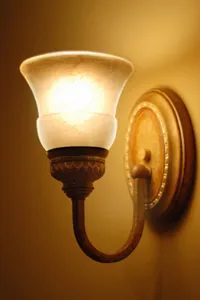
Accent lighting isn’t just about making a space look expensive. It’s about creating visual hierarchy. These are directional sources designed to separate zones or highlight specific objects. If ambient light sets the mood, accent light provides the contrast. A common rule of thumb suggests they should be three to five times brighter than the surrounding ambient level. Without that punch, the effect is flat.
Wall-mounted fixtures like sconces fit here. So do table lamps and floor lamps. Think about a dining room. The chandelier hanging above the table provides general ambient illumination. The sconces on the walls? They are the accents. They break up the darkness.
Accent lights should be three to five times brighter than ambient levels to create true visual separation.
This setup works for art, too. Museums use it constantly. Dim background light creates a quiet atmosphere. Focused beams hit the canvases, forcing your eye to stay on the brushstrokes. You can replicate this at home. It doesn’t require a gallery budget.
Say you have a large, dramatic plant. Place a spotlight on the floor behind it. Angle it upward. The light catches the leaves. Shadows stretch across the wall. Suddenly, a fern becomes a sculpture. Tracklights can also serve this purpose if you need flexibility.
The hardware matters. Spotlights and floodlights are the standard tools. Higher wattage incandescent bulbs often power table lamps or sconces for a warm, soft glow. Halogen lamps are the go-to for spotlights. They punch harder. They cut through shadows better.
8: Task Lighting
Now shift from seeing to doing. Task lighting is purely functional. It illuminates a specific area where work happens. Unlike accent lighting, which is about aesthetics and focus, task lighting is about clarity and safety.
You need it for reading, cooking, or applying makeup. It reduces eye strain. It prevents accidents. A kitchen island needs a pendant or under-cabinet strip to chop vegetables safely. A bathroom vanity requires side sconces or a mirror light to avoid shadows on your face.
Choose fixtures with high CRI (Color Rendering Index) bulbs. You want colors to look true. You don’t want to misjudge the ripeness of an avocado or the shade of your lipstick. LED strips are popular under cabinets because they are low-profile and direct. Desk lamps with adjustable arms offer precision for home offices.
The goal here is visibility. Not drama. Not mood. Just clear, consistent light exactly where your hands are working.
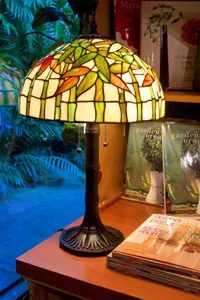
Task lighting isn’t just about seeing; it’s about functioning. If your workspace is dim, you’re working hard to see. That’s not efficient. Real task lighting needs to be six to ten times brighter than the ambient light in the room. This isn’t a suggestion. It’s a rule for preserving your eyes and your productivity.
We see this shift in home renovation constantly. Ancestors made do with a single, harsh bulb in a utilitarian desk lamp. Today, the options are endless. You have to decide which type fits your specific needs. Kitchen counters? Office desks? Reading nooks? Each space demands a different approach.
Why Task Lighting Matters
The goal is simple. Minimize the need for overhead lights. Overhead lights cast shadows. Shadows hide details. When you’re chopping vegetables or drafting blueprints, you need precision. Under-cabinet down lights are perfect for kitchens because they shine directly where your hands are, bypassing the shadow your body casts.
In offices, desk lamps or floor lamps trained directly on the work surface do the heavy lifting. Living rooms and bedrooms benefit from table lamps with high-wattage bulbs. The result is less eye strain. You aren’t squinting. You aren’t leaning in.
Choosing the Right Source
Not all bulbs are created equal. Halogen lights are often the ideal choice for task lighting. They are energy efficient. They produce a clean, clear light that renders colors accurately. You can see the true shade of the paint or the freshness of the vegetables.
There is a catch, however. Halogens burn hot. If you are computing hours under one, you might break a sweat. It’s uncomfortable. You need to account for the heat output. But for color accuracy and intensity, they are hard to beat.
“Task lighting is ideally six to 10 times brighter than the ambient light.”
7: Natural Light
Homeowners describe their dream spaces with the same two words. Light. Airy. It’s not just aesthetics. Natural light makes everything look better. Period.
Builders are hearing requests for “daylighting” more than ever. This is a lighting scheme that relies on natural sources rather than electric ones. Why the surge? We spend too much of our lives indoors. Sitting at desks. In boxes. We didn’t evolve that way.
Daylighting keeps us connected to the outdoors. It tracks the time of day. Studies show that people working in natural light are more productive. It’s not magic. It’s biology.
Managing the Sun
But you can’t just throw open the curtains and call it a day. Glare is a real issue. Direct sun hurts your eyes. Indirect sun can cause screen glare on computers. Heat is another factor. You need to manage both.
Curtains or shades are your first line of defense. They regulate the intensity. Painting the room a light, reflective color helps too. It bounces what little light you get around the room. The ceiling? Go with the whitest white you can find. It amplifies the effect.
Cost Savings
There is a practical benefit here too. Electricity bills drop when you don’t need to turn on fixtures. It’s not a huge savings on its own, but it adds up. The key is detail. It’s not just about letting the sun in. It’s about controlling it.
6: Outdoor lighting
The house doesn’t end at the doorstep. Outdoor lighting serves two distinct purposes. Security and aesthetics. You need to see where you are walking. You need to know who is approaching. But you also want the exterior of your home to look inviting.
Motion-sensor lights are the standard for security. They trigger only when movement is detected. This saves energy. It also alerts you to intruders. But for pure ambiance, consider path lighting. Low-voltage LEDs along walkways guide guests without washing out the landscape.
Don’t neglect the perimeter. Uplighting trees or architectural features adds depth. It creates shadows. Shadows create interest. Just be careful with the direction. You don’t want to blind your neighbors. Or yourself.
The transition from indoor to outdoor lighting should be seamless. The style should match. The scale should fit. If your interior is modern, don’t put a rustic lantern on the porch. It creates dissonance.
Safety First
Steps are a hazard. If they are dark, they
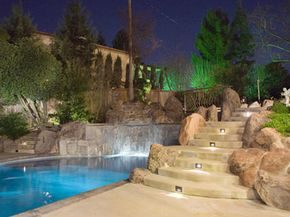
You spend half your day inside. The other half? Ideally, you’re outside. But if your backyard is a black hole after sunset, you’re losing square footage you paid for. Treat your exterior like an extension of your living room. It needs layers. You need ambient glow, accent highlights, and task lighting that actually lets you see where you’re stepping.
Accent lights aren’t just for showing off. They define space.
Take a small tree. Put a spotlight at its base. It becomes a sculpture against the night sky. Big trees? Let the light bounce back into the yard. It fills the void. Flowerbeds need ground lighting. Not just for looks—though it adds drama—but to stop you from tripping over garden hoses in the dark. If you’re weeding at midnight, those ground lights double as task lighting.
Deck seating? Install downlights. They mimic candlelight. Intimate. Warm. Don’t overdo it. Aim for a moonlight effect. Soft. Diffuse. You have two main paths here: solar or low-voltage.
Solar is cheap. Easy. Stick a stake in the ground, let the sun charge it, and forget it. But don’t expect brilliance. The light fades. Low-voltage runs off your home’s grid. You need a transformer. You need wiring. It costs more upfront. But the output is steady. Significant. If you want to read on the patio, go low-voltage. If you just want a faint glow, solar works.
Holiday Decorative Lighting
Holidays are a lighting project. Specifically, Christmas. It’s the one time of year we’re allowed to be loud.
String lights outside. Instant cheer. Anyone walking up to your front door gets the signal. Move inside. Light the tree. Add accent lighting that matches the energy. String lights are fine. Lighted pine garland? Better. Blinking deer? Sure, if that’s your vibe.
Want something sophisticated? Swap the rainbow for white. All white. Then layer in candles. Lanterns. Luminaries. Place them near the fireplace. On the steps. Add metallic finishes near the sources. Gold. Silver. Copper. The light catches it. Creates a shimmer. A sparkle. It’s not just illumination. It’s atmosphere.
Security Lighting
Aesthetics are nice. Safety is non-negotiable.
Most burglars hate light. They hate being seen. They hate motion sensors. So you need more than just a porch bulb. You need a strategy.
Start with motion-activated floodlights. They’re annoying to a thief and helpful to you. No more squinting at the dark while digging for your keys. They save energy too. Light only when needed.
Place them at entry points. Doors. Windows. Side gates. Don’t aim them at the street. That’s for the neighbors. Aim them at the threat zone. Your perimeter.
Consider smart lighting. It syncs with your security system. Lights flash when the alarm trips. Or simulates occupancy when you’re on vacation. Random on/off schedules. Makes the house look lived-in.
Wireless options exist now. No trenching. No electrician. But check the battery life. And the range. If the signal dies, the light dies. Stick to low-voltage wired systems for critical areas. Reliability matters.
Does your yard feel empty at night? Or does it feel like a destination? The difference is usually just a few wires and a switch.
Why Shielded Lights Beat Bright Ones
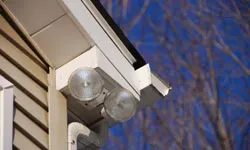
Security isn’t just about blinding the dark. It’s about control. Most homeowners make the mistake of installing high-intensity floodlights everywhere. You might feel safer staring down a glare. But that glare also washes out details. A shielded, medium-intensity light is smarter. It lets you see faces. It lets you read license plates. It gives you actual evidence if something goes wrong.
Placement matters more than lumens. Mount motion detectors under the eaves. High up and out of reach. Point them downward. This keeps intruders from smashing them. It also stops your yard from looking like a stage for a daytime soap opera. Just remember: a swinging branch or a raccoon will trigger those sensors. You don’t want to wake up the entire neighborhood for a leaf.
Test the beam before you drill holes. Does the light hit your eyes when you open the front door? Does it blind guests pulling into the driveway? Sometimes the best security light is the one hidden in the ivy. Or maybe you only need one small bulb to keep feral cats off your patio. Don’t over-light.
Mirrors and Glass: The Free Light Hack
Reflective surfaces are an underrated tool in the DIY arsenal. They don’t cost much. They don’t require wiring. They just bounce what you already have.
A floor-to-ceiling mirror changes the geometry of a room. It doubles the visual space. It pulls in whatever ambient light exists, making a gloomy corner feel breathable. Smaller mirrors over mantels work too. They act like light collectors.
Prisms are cheap. You can buy them for a few dollars. Hang one in a sunny window. The sun fractures through the glass. It casts rainbows on the floor. It’s playful. It’s free.
If you have a fireplace, skip the standard logs. Get reflective fireplace glass. The chunks are thicker than standard decorative stones. They catch the flame. They multiply the glow. The fire dances differently. It looks richer. You can get them in colors, but clear adds the most raw reflection.
Mood Lighting and the Dark Corners
Security stops at the perimeter. Mood lighting starts where the shadows get deep. It’s about layering. Not just one source from the ceiling. You need height variation.
Use table lamps on the floor. Or place a light inside a bookshelf. Low-level lighting feels intimate. High-level lighting feels clinical. For a living room, aim for the former.
Consider the texture of your walls. Rough plaster scatters light. Smooth paint reflects it directly. If your room feels cold, add a textured rug or a heavy curtain. They absorb the harshness. They soften the edges.
LED strips behind furniture are another trick. They don’t light up the room. They outline it. It creates a floating effect. It makes heavy sofas look lighter. It’s subtle. It’s modern. And it doesn’t drain your bulb budget like a chandelier.
The goal isn’t to see everything. It’s to feel something. Security tells you you’re safe. Mood lighting tells you you’re home.

Lighting is not just about visibility. It is about emotion. You can use it to shift a space from high-energy to romantic in seconds. But there is another layer to consider. Designer lighting changes the personality of a room. It defines the style. It tells a story before you even speak.
Matching Light to Interior Design
Mood lighting sets the atmosphere. Designer lighting sets the tone. They work together. Think about the “man cave.” It is a popular addition in many homes. These rooms are filled with sports memorabilia. There is the big TV. Maybe a foosball table or a dartboard. You want the lighting to match that rugged, casual vibe.
Sports-themed lamps fit right in. If there is a bar area, add a neon sign. It adds color. It adds character. The light becomes part of the decor. It is not just an afterthought.
What about a nursery? The mood shifts completely. You need soft, playful light. Colorful gumdrop pendant lights work well over a changing table. A bunny table lamp adds warmth. For nightlights, a smiling moon fixture is cute. It helps the baby settle. The design of the light matters as much as its function.
Your home’s architecture should guide your choices. If you live in a modern house with sleek lines, stick to contemporary fixtures. Do not clutter the space with ornate details. A saucer bubble pendant light over the kitchen table looks clean. A curving monorail system over an island adds flow. Look for geometric shapes. Natural materials like wood or stone work well here. They ground the space.
Traditional homes need different treatment. You want elegance. Ornate chandeliers fit these spaces. Look for fixtures with painted finishes. Bronze or brushed pewter adds depth. These materials reflect light differently. They create a sense of history and warmth. The wrong light can clash with the architecture. The right light enhances it.
Practical Application for DIY Homeowners
You do not need a professional designer to get this right. Start with the room’s purpose. Then look at its style. Ask yourself what feeling you want.
For a cozy reading nook, add floor lamps. Wall sconces help too. They create a warm glow. A fireplace adds to the comfort. If you want energy, combine bright ambient light with focused task lights. Recessed strip lighting is great for home offices. Put it in desk-bookcase units. It illuminates books without glare.
Multi-bulb fixtures brighten the whole room. This is useful for hobbies. Decorating a cake requires sharp vision. Assembling a miniature railroad needs precision. You need clarity.
For romance, remove overhead lights. Use several small lamps. Pick warm or dark-colored shades. Place wall sconces lower than usual. This trick makes the ceiling look lower. The room feels cozier. Smaller spaces benefit from this technique.
Do not forget dimmer switches. They are essential. They allow you to adjust the intensity. One setting for reading. Another for entertaining. Flexibility is key.
Why Light Choice Matters
The wrong light can ruin a room. It can feel sterile. Or harsh. Or mismatched. The right light feels intentional. It ties the design together.
Consider the materials. Glass reflects light. Metal absorbs it. Fabric diffuses it. Each material changes the mood. Choose based on the effect you want.
Safety is also a factor. Ensure all fixtures are rated for their location. Indoor fixtures should stay indoors. Outdoor lights need weatherproofing. Follow manufacturer instructions. Use the right bulbs. LED options save energy. They last longer. They produce less heat.
Final Thoughts
Lighting is design. It is functional. It is emotional. Think about how you want to feel in each room. Then choose lights that support that feeling. Match the style of your home. Use dimmers to control the intensity. Add task lighting where you work. Add ambient light for relaxation.
The result is a home that feels complete. It feels lived-in. It feels like yours.
“Designer lighting changes the personality or style of a room.”
This is not just decoration. It is a tool. Use it wisely. Your home will thank you.