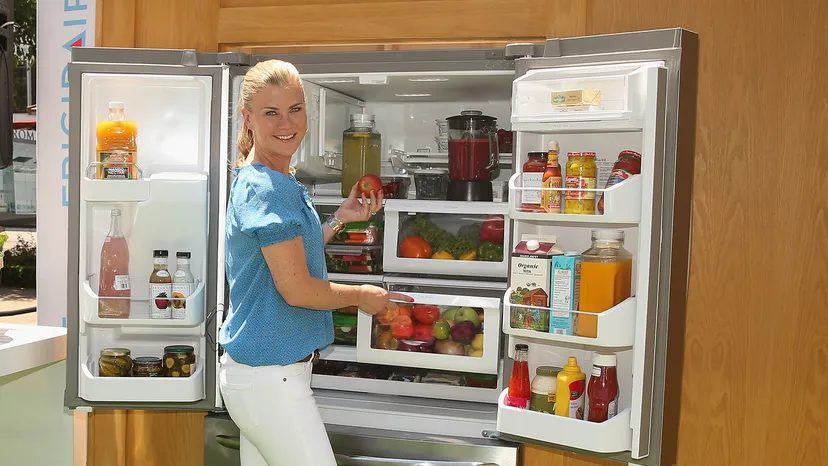
Your fridge can turn into a graveyard of expired leftovers and mystery Tupperware in less than a week if you don’t have a plan. You don’t need to wait for the chaos of Thanksgiving weekend to realize that fridge organization is the only thing standing between you and a spoiled meal or a stomach ache.
Most people treat their refrigerator like a single, uniform box of cold air. It isn’t. The temperature fluctuates wildly from the door to the back, and from the top shelf to the crisper drawers. Getting your fridge organization right isn’t just about aesthetics; it’s about physics and food safety. By understanding where the cold spots are, you can stop wasting money on spoiled groceries and start eating safely.
Зміст
The Science of Cold: Setting the Right Temperature
The primary job of your refrigerator is to slow down bacterial growth. Bacteria thrive in the “danger zone” between 40 and 140 degrees Fahrenheit (4.4 to 60 degrees Celsius). To keep them at bay, your fridge needs to sit at or below the lower end of that range.
Samsung recommends an ideal setting of 38 degrees Fahrenheit (3 degrees Celsius). Here’s the problem: many modern fridges, even brand-new ones, don’t have digital displays that show you the exact internal temperature. You’re guessing.
Do yourself a favor. Buy a standalone refrigerator thermometer for a few dollars. Place it on a middle shelf and check it after a few hours. If it’s reading higher than 38, adjust your dial. If it’s lower, you might be freezing your milk. This small step ensures your fridge organization efforts are backed by actual data, not assumptions.
The Door: Save It for Condiments
The door is the warmest part of the refrigerator. Every time you open the front door, you let in warm air, which hits the door shelves first. The temperature there is inconsistent and often too high for delicate perishables.
Stop storing eggs or dairy products in the door bins. The fluctuating temps will cause them to spoil faster. Instead, use this space for items with high preservative content or acidity that can withstand minor temperature shifts.
What belongs in the door:
* Condiments (ketchup, mustard, mayo)
* Salsas and salad dressings
* Pasteurized orange juice
* Soda and wine bottles
Top Shelves: Ready-to-Eat Foods
The top shelves are colder than the door but not as cold as the bottom. This is the zone for foods that are already cooked or ready to eat. Think leftovers, pies, deli meats, and prepared meals.
There’s a critical safety reason for this placement. If you store raw meat on the top shelf, any dripping juices can contaminate the foods below it. By keeping ready-to-eat items on the top, you ensure that nothing drips onto them from above. You also keep them away from the coldest spot, which might freeze delicate items like cheese or bread.
Storage Cheat Sheet:
* Leftovers
* Cooked grains and proteins
* Butter and margarine
* Pickles and nut oils
Middle Shelves: The Control Zone
The middle shelves offer the most stable, consistent temperature. This is the goldilocks zone of your refrigerator.
This is where eggs belong. While many people store eggs in the door, the middle shelf keeps them at a safer, steadier chill. You can also store fruits that don’t fit in the crisper drawers here. If you have prepared foods that didn’t fit on the top shelf, the middle is your next best bet.
Storage Cheat Sheet:
* Eggs
* Unwrapped fruits
* Prepared dishes
* Milk (if you run out of bottom shelf space)
Bottom Shelves: The Cold Snap
The back of the bottom shelf is the coldest part of the entire appliance. This is where you store the most sensitive dairy products. Milk, cottage cheese, yogurt, and sour cream should live here to maximize their shelf life.
However, there is a catch. Never store high-water-content vegetables or fruits directly against the back wall of the bottom shelf. The intense cold will freeze the water inside the cell structure of the produce, turning crisp veggies into mushy sludge once they thaw. Push these items forward or use the drawers.
Storage Cheat Sheet:
* Milk
* Yogurt
* Cottage cheese
* Sour cream
Practical Tips for Long-Term Success
Knowing where the cold spots are is only half the battle. To maintain your fridge organization, you need systems that reduce friction and prevent waste.
Create Zones
Don’t just throw things in. Designate specific areas for categories. Keep all your drinks together, all your snacks together, and all your leftovers together. This makes cleaning easier and helps you see exactly what you have at a glance.
Use Clear, Labeled Containers
Guessing what’s in that opaque plastic tub is a waste of time. Use clear storage containers so you can identify contents instantly. Better yet, use a dry-erase marker or a label maker to write the date you put it in. If you haven’t eaten it in five days, toss it.
Baking Soda for Odors
A box of baking soda on a middle shelf is cheap insurance against fridge smells. It absorbs odors rather than just masking them. Replace it every three months for best results.
Prioritize Easy Access
Your fridge should be efficient. Place the items you use daily—milk, butter, snacks—in the most accessible spots. If you have to dig past three layers of takeout containers to get to your lunch, you’re less likely to use that container for new food.
Don’t Wait for It to Cool
Here is one final rule that breaks the habit of many homeowners: do not let hot leftovers sit on the counter until they are completely cool before putting them in the fridge.
Leaving hot food at room temperature gives bacteria a buffet. Instead, place leftovers in the refrigerator immediately in covered, sealed containers. If you have a huge pot of stew, divide it into smaller, shallow containers. This helps the food cool down faster once it’s inside the fridge, getting it out of the danger zone sooner.
Your refrigerator is a tool. Treat it with respect, and it will keep your food fresh, your kitchen clean, and your family safe. The rest is just geometry and discipline.


