
Winter is coming. Your home turns into a cozy cocoon. Then the utility bill arrives. It hurts.
Most people panic. They shorten their showers. They endure cold water. They believe that making sacrifices is the only way to save money.
This is wrong.
The real lever for savings isn’t in your body. It’s inside the water heater.
A simple adjustment can fix the problem. You get hot water. You save money. Your family stays safe.
Here is how to stop wasting energy.
Зміст
Why Your Water Heating Bill Spikes
Many homes run their water heaters at temperatures far too high.
Why?
fear.
People are afraid of running out of hot water. They are afraid of bacteria. They turn the dial all the way but never check.
This is expensive.
Every extra degree increases consumption. Heating your water to 60°C (140°F) instead of 55°C (131°F) can increase your annual bill by 5-10%.
That is a significant gap. Especially when electricity prices are climbing.
But you cannot go too low.
Turning the temperature down too far creates hygiene risks. Low temperatures allow bacteria like Legionella to grow. These cause serious respiratory illnesses.
There is a middle ground.
You need an equilibrium. It’s a way to save money while keeping your container sterile.
The Pro’s Secret: Finding the Ideal Temperature
How do you find that sweet spot?
The goal is 55°C (131°F).
This temperature is high enough to kill Legionella bacteria. Low enough to prevent excessive heat loss from tanks and pipes.
Check your current setting.
Most factory settings are 60°C or higher. This is excessive for standard household use.
If your water heater does not have a digital display, look for the control on the front or inside of the front panel. You may need to remove the plastic cover or screws.
Needed tools:
Screwdriver (straight end or Phillips depending on the model)
* Insulated gloves (to prevent burns if the container is hot)
Thermometer (optional, for confirmation)
Safety first:
Turn off the power (electricity) or air source (gas) before performing internal control.
If you have driven the machine recently, wait until the water tank has cooled down.
*Do not touch bare wires.
Set the dial to 55°C.
Even if you have several bathrooms or a large family, this installation should still provide plenty of hot water. If the water temperature is not high enough, increase it by 2-3 degrees. Do not suddenly return the temperature to 60 degrees.
Insulation does more than just save degrees
After setting the temperature, you need to protect the heat.
The water tank is basically a giant thermos. Poor insulation can allow heat to escape into your basement or garage.
See the best jackets.
If it is hot to the touch, the heat will dissipate.
Foam insulation blankets can be bought at home hardware stores. It is cheap and easy to install.
Wrap the container. Leave the top and bottom connections exposed. Follow the manufacturer’s ventilation gap instructions.
This simple step reduces heat loss during standby
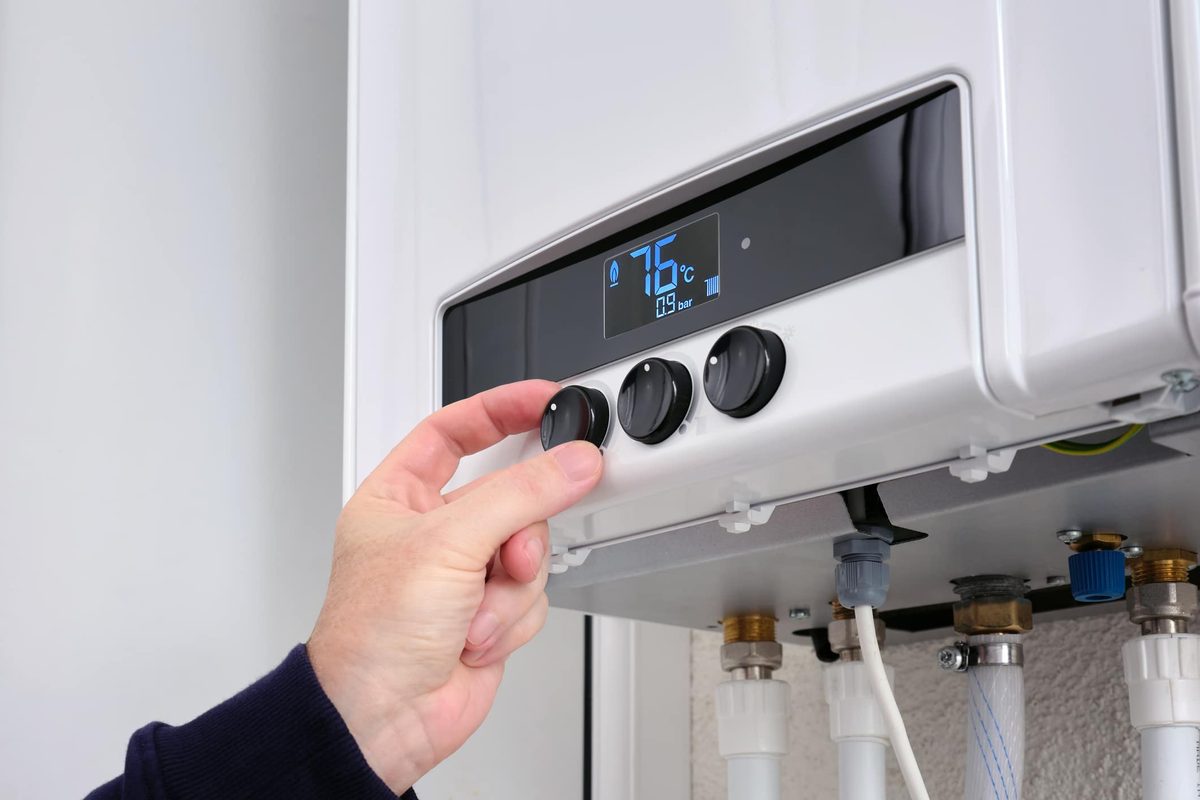

Most households heat much more water than is actually needed. Energy efficiency experts agree: “you do not need scalding water” You need consistent heat Setting the hot water temperature to 55℃ provides the optimal temperature. Prevents the growth of bacteria. Keep the dishes clean. Makes showering more fun. Prevents burns.
This temperature is not random. It’s a carefully considered compromise. The annual energy bills of households that make the change will change significantly.
How to safely adjust a water heater to 55°C
Turning the dial is easier than you think. Look for a control panel or knob. Usually located on the bottom or side of the device. Most electric models allow direct access.
The normal maximum temperature is typically 60 °C. You need to turn it down Aim for 55℃. Check the equipment carefully. Make sure Celsius is displayed. Some older models may use Fahrenheit. If you are not sure, Convert it.
Once you’ve adjusted, give it time. Wait a few hours. Wait until the tank reaches equilibrium. Do not test the water immediately. The tank must be recirculated to produce enough hot water to stabilize the overall temperature of the system.
No complicated tools required. Save money and protect your home with simple manual adjustments.
Direct benefit for health and wallet
The effect is fast. Your utility bills drop This is most important in winter. With heating costs skyrocketing, every dollar counts. The water stays hot enough even on a cold morning. It’s also gentle enough to relax you after a long day.
Safety improves for vulnerable family members Children and the elderly are at greater risk of severe burns. Lowering the temperature can greatly reduce this risk.
Hygiene is not affected. A threshold of 55°C effectively prevents the growth of Legionella and other microorganisms. You get inner peace.
There are three advantages. You feel better in the shower Less limescale build-up means a longer service life of the equipment. without trying your energy consumption will decrease.
Actual confirmation steps
- Locate the thermostat knob and gradually turn it down.
- Check the exact Celsius value on the digital display.
- Check the water temperature after a few hours with a kitchen thermometer.
- Track your energy consumption and within the first winter month
This small adjustment is the smartest move for autumn Don’t wait. Use the first chill of November as a reminder Adjust the settings. Watch your bill go down. You can combine modern comfort with great savings. The water tank is already quite hot. You just have to manage it better.


