


























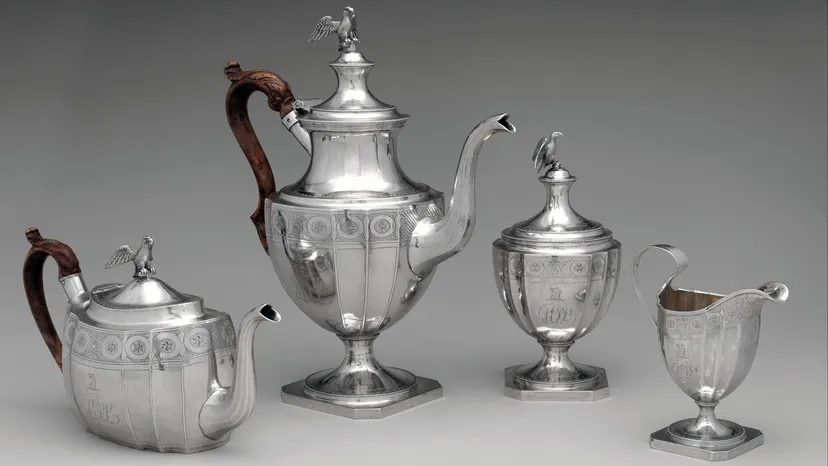
You think you own “real” silver. Maybe it’s a necklace your grandmother left behind or a heavy fork from the antique shop. You assume it’s pure. It isn’t.
Pure silver is too soft to be useful. Seriously. You could bend 99.9% pure silver with your bare hands. That’s not durability. That’s foil.
Because nobody wants a fork that bends under the weight of a potato, metalsmiths have been mixing silver with other metals for centuries. The result is sterling silver. It’s the standard for a reason.
Зміст
What is sterling silver made of?
Sterling silver isn’t a single element. It’s an alloy.
Specifically, it’s 92.5% silver and 7.5% another metal. Usually copper. Sometimes zinc or nickel.
Steve Nelson, who runs Nelson & Nelson Antiques in Manhattan, breaks it down simply. The copper hardens the soft silver. It makes the metal thin enough to be elegant but tough enough to last.
Does adding copper ruin the shine? No. Sterling silver has a bright, white-gray look. It’s distinct.
“The color of sterling is very good,” Nelson says.
Older pieces develop a patina. You might think it’s tarnish. It’s not. It’s thousands of micro-scratches. To the naked eye, it looks like a softer, warmer color. Time does the work for you.
This mix lets silver last indefinitely. Look at the Ming Dynasty. A rare silver petal-lobed stem cup from that era survives. Look at the late 18th century. George III sterling silver sweetmeat dishes are still around.
If it’s sterling, it’s built to stay.
How the 925 Sterling Silver Standard Actually Started
You know the number. 925. It’s stamped on your grandma’s tray, the cheap jewelry at the mall, and that fork you found in the junk drawer. But where did that specific percentage come from? It wasn’t a lab experiment. It was politics. And a bit of murder.
By the 12th century, English silver coins were called “Easterlings.” Traders shortened it to “sterling.” Simple enough. But the quality? That was a mess. Artisans were mixing in lead, copper, whatever was cheap, then claiming it was the good stuff.
King Edward I got tired of the deception. In 1300, he drew a hard line. Sterling had to be 92.5 percent pure silver. No more, no less. And to prove it, you needed a hallmark from the “guardians of the craft.”
This forced the creation of the Goldsmith’s Company. Think of them as the original regulatory body. They existed to stop fraud. If a smith lied about the purity, the penalty in the late Middle Ages was death. Yes. Death. For selling substandard silver.
“They were making substandard silver,” Nelson explains. “If a smith put a sterling standard mark on a piece that wasn’t at least 92.5 percent silver, they could be put to death.”
Times have changed. The guild still exists, holding a royal charter from 1327. They don’t execute silversmiths anymore. The threat of the hangman’s noose has been replaced by consumer protection laws. But the 92.5% standard stuck.
Why not go higher? You could. 950 silver exists. That’s 95 percent pure. But pure silver is soft. Too soft for everyday use. To make 950 silver durable, you’d have to make it thicker, heavier, and more expensive. The 92.5 formula hit a sweet spot. Strong enough to hold an edge, soft enough to work with, cheap enough to mass-produce. It’s a pragmatic compromise. Not perfect. Just practical.
How to Read Sterling Silver Hallmarks Like a Pro
So you have a piece of silver. Is it real? Is it sterling? Or is it just silver-plated junk?
In theory, it’s easy. Look for the mark.
If it was made in the US, you’re lucky. The mark is usually straightforward. You’ll see the word “Sterling,” “925,” or sometimes “.925.” It’s blunt. It tells you exactly what you need to know.
English silver? That’s a puzzle.
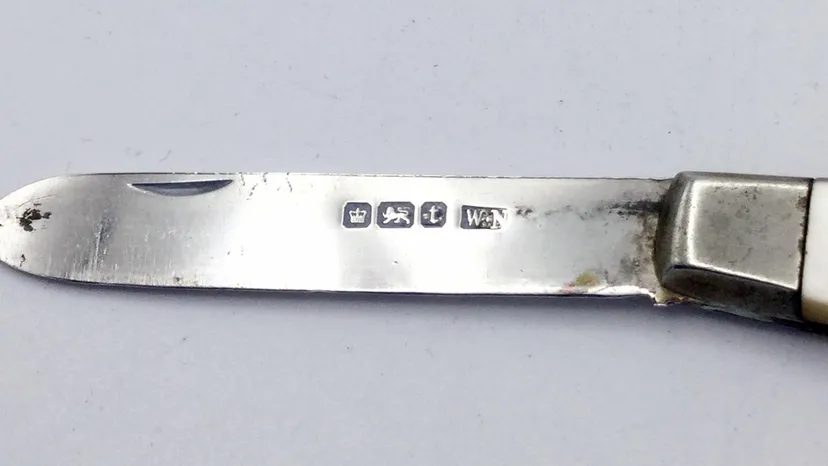
The English have been marking silver for 500 years. Their hallmarks don’t just say “this is good.” They tell a story. Where it was made. When it was made. Who made it.
Start with the lion’s head. If you see a lion passant (walking), it’s English sterling. That’s the baseline.
But where in England? Look for the anchor. That means Birmingham. A leopard’s head? That’s London. Each city has its own symbol. It’s a geotag for metalworkers.
Then there’s the date. They used letters of the alphabet to mark years. But they didn’t just reset A-Z every 26 years. They changed the font. So an ‘A’ in a serif font is a different year than an ‘A’ in a sans-serif font. You need a chart for this. Or a lot of patience.
Maker’s marks started as symbols. By the 17th century, they switched to initials. Your smith’s name, abbreviated, stamped into the metal.
French silver is a different beast entirely. They use a Minerva head. A number next to it tells you the purity. No. 1 means 950 silver. No. 2 means 800 silver. That’s 80 percent. Lower quality. You know exactly what you’re getting.
Other countries have their own systems. Denmark. China. Germany. Each has its own set of marks. Some are obvious. Most are not.
Trying to learn every hallmark is a rabbit hole. You’ll spend more time decoding the stamps than wearing the silver. It’s a hobby, not a requirement.
Unless you’re buying vintage. Then it matters. The mark proves origin. It proves age. It proves value.
But for the rest of us? Just look for the 925. Or the word sterling. If it’s there, the silver is real. If it’s not, check the weight. Real silver is heavy. Fake silver feels light. Hollow. Cheap.
Does it really matter if it’s 950 or 800? Maybe to a collector. Probably not to the person using it to hold their keys.
The mark is a guarantee. But the metal? The metal is just metal.
Why English sterling silver usually beats American
Value shifts depending on origin. Nelson says English pieces typically command higher prices in the antique market. American sterling is harder to find. Why? Before 1860, U.S. smiths rarely used the 92.5 percent standard. They worked with a different alloy entirely.
That material was coin silver.
It contained 90 percent silver and 10 percent copper. Smiths melted down actual coins to create new objects because raw silver sources were inconsistent. If you have a piece marked with that 90 percent ratio, it isn’t sterling. It’s coin silver. And generally, it isn’t worth as much.
Then there’s the stuff your grandmother swore was real.
Check for hallmarks. If it’s silver plate, you’re looking at a thin layer of silver over base metal like copper. These items have their own markings. Don’t confuse them with solid sterling. The value gap is wide.
What items are actually made of sterling silver today
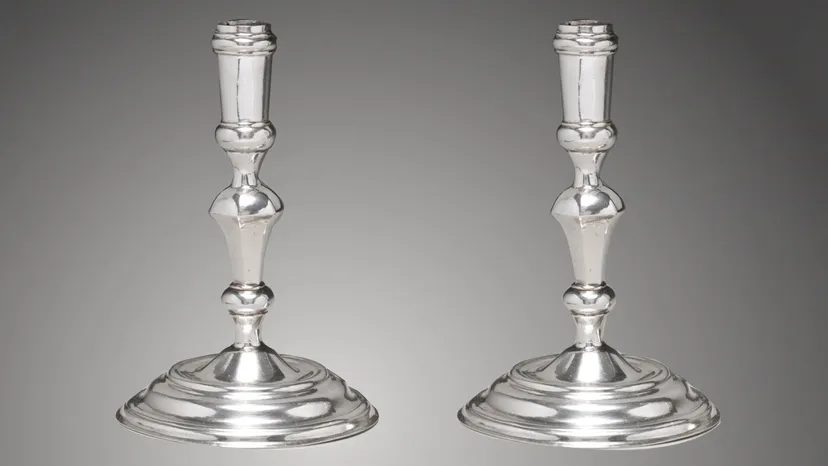
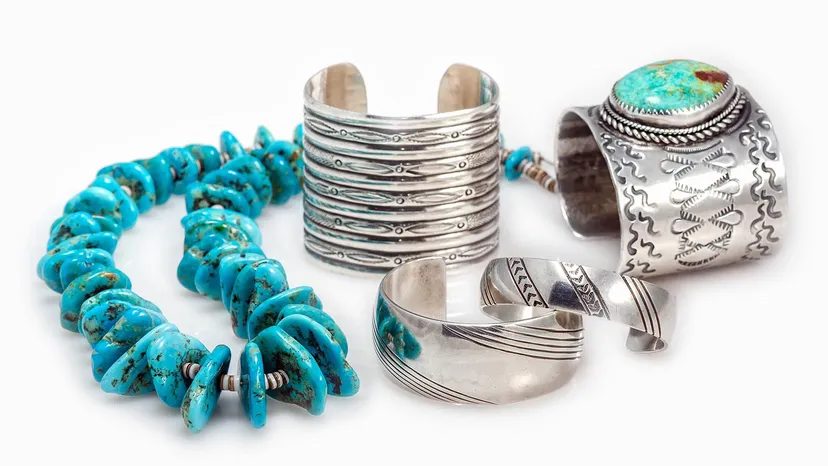
The traditional list remains largely unchanged. You’ll see sterling in centerpieces, candlesticks, serving trays, and jewelry. Watches still use it. Even modern dog collars sometimes feature the metal.
Flatware got its name from the material, sure. But most of us aren’t eating off solid silver anymore. It’s too soft for daily abuse, and frankly, too expensive.
Styles have evolved. Nelson notes that contemporary pieces often serve decorative roles rather than functional ones. The aesthetic has shifted, but the metal remains the same.
Look closer at your gadgets.
Silver is everywhere in electronics. It conducts electricity better than copper. But this isn’t sterling. It’s 99.9 percent pure silver. The U.S. Geological Survey reported that 35 percent of U.S. silver production went to electrical uses in 2013. You’re holding sterling’s purer cousin every time you touch a smartphone.
One last note on melting down change.
Don’t bother. After 1964, the mint stopped using 90 percent silver for coins. There was a brief run of half dollars, but that’s it. Modern coins are mostly copper and zinc. No free necklaces there.
How to clean tarnished silver without ruining the finish
Sterling silver doesn’t care that it’s old. It cares about air. Oxygen hits the surface, sulfur reacts, and suddenly your heirloom looks like it lost a fight with a tire. Keep it looking sharp, close to that original 18th-century smelt, by wiping it down with a soft polishing cloth. Just dry cloth. No water. No paste. Just friction.
If the cloth isn’t enough, you’re dealing with tarnish. Grab a silver polish paste. Apply it with a sponge or a rag. Get into the crevices. Decorative areas trap residue, so rinse thoroughly with warm water. Warm water helps dissolve the leftover polish. Cold water doesn’t do the job as well.
Don’t wait. Nelson says do this every few months. Or whenever you see that yellow tint creeping in. Yellow is easy. Black is hard. Let it go black and you’re doing heavy labor. Elbow grease becomes the main ingredient. Is it worth the ache? Probably not.
How to tell if silver is sterling or plated at home
You find a piece. It’s shiny. Is it real? Sterling? Or just a thin coat over base metal?
The best way is to pay a pro. Get it evaluated. But you can test it right now. In the kitchen. With what you have.
Check for magnetism. Pick up a fridge magnet. Run it along the surface. Silver is not magnetic. If it sticks, it’s not silver. It’s steel, or nickel, or something else entirely.
Check the temperature. Silver conducts heat fast. It gets cold quickly. Touch it. Does it bite? Does it feel icy against your finger? That’s a good sign. Plastic stays warm. Wood stays neutral. Silver steals the heat from your skin.
These aren’t foolproof. Plated items might pass the cold test if the plating is thick enough. They won’t pass the magnet test if the core is steel. But it’s a start. Better than guessing. Better than selling your grandmother’s tea set to a pawn shop thinking it’s gold.