

























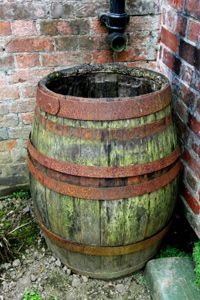
Collecting rainwater is not new. There is evidence that people in the Middle East collected water in cisterns more than 4000 years ago. This custom may date back to even more ancient times. In arid climates and places without rivers, such as Gibraltar, harvesting rainwater is essential for survival. It is very practical. It’s clean. It’s coming back.
Municipal water districts suffers from a water shortage. The bills are going up. Consumers pay more for water and sewage. Meanwhile, free water falls from the sky. Attractive again. Rain Barrels Once a staple of American farms and gardens, they are now making a comeback.
Understand the system
Rain barrels are containers designed to collect and store runoff water. These systems vary greatly. with pumps and linked barrels, you can build huge and complex devices for massive storage. Alternatively, you can use a single plastic or wooden drum. The goal is simple. It captures the water that flows from the downpipe along the gutter.
It makes sense to collect this water. It does not contain dissolved minerals and salts found in well water. This is better for plants. It’s safe if you take precautions. The barrels are easy to make and install. By using this water, helps the environment.
Rainwater is an excellent source of water, that would otherwise become polluted runoff that carries chemicals and other dangerous waste.
Why does clean water turn into dirty runoff? When rainwater flows down roads and gutters, it can picks up chemicals and waste and low-lying bodies of water. You can stop the process at the source. Water collected from the roof of an ordinary home can go a long way. Enough to maintain your vegetable garden or landscape throughout the summer.
Motivation and encouragement
Need more reasons to install your own barrel? Look at the economics. Germany and Japan offer financial incentives for rainwater harvesting. programs available in Arizona and California.
The benefits are clear. Save money. You help the environment. You can get clean and free water. The technique is simple. The materials are accessible.
In the next section, we will discuss some of the surprising advantages of rainwater.