




























The clocks shift. One hour vanishes in the fall. Two appear in the spring. Most of us do it out of habit, shrugging off the lost or gained time while grabbing coffee. The official reason in France is always energy conservation. That part is clear enough.
But what happens when the sun sets an hour earlier or rises an hour later? Your plants don’t read the calendar. They respond to light. And light is everything.
If you garden, you likely have questions. Does the clock change mess with your watering schedule? Does it shock your tomatoes? Do your perennials care about daylight saving time? The short answer is yes, but not in the way you might think. The impact isn’t immediate damage. It’s cumulative stress. It’s about rhythm. And in gardening, rhythm is life.
Зміст
Light Hours vs. Clock Hours
Let’s be precise. The garden doesn’t know about Paris time. It knows about solar time. When we spring forward, we effectively steal an hour of perceived daylight in the evening. When we fall back, we gain an hour of evening light but lose morning brightness. This shift changes how much photosynthesis your plants get during their most active hours.
For the home gardener, this means your maintenance routine needs to shift. Not drastically. But noticeably.
In spring, the later sunset tricks you into thinking the day is longer than it is for plant metabolism. You might water later, assuming the soil still has moisture. But the earlier sunrise means your plants start photosynthesizing sooner. If you wait until the evening to water, the water may evaporate faster if the ground heated up quickly in the early morning sun. Or worse, you might overwater because the soil feels dry from that early heat, when it was just reacting to a longer dawn.
In autumn, the opposite happens. The clocks go back. You gain an hour of evening light. But the sun is weaker. The days are shorter. This is where many gardeners slip up. They think, “Great, I have more light in the evening.” But that extra hour is often too dim to support significant growth. Meanwhile, the earlier sunset means the plants get less total daylight energy than they did a month prior. If you’re still fertilizing or pruning heavily based on the “clock time” rather than the actual solar input, you’re pushing growth that won’t sustain itself.
Watering Adjustments for the New Rhythm
Here’s the practical part. How do you adjust?
First, check the soil, not the clock. In spring, after the first time change, the soil may dry out faster in the morning. Test it. Stick your finger in. If it’s dry an inch down, water. Don’t wait for the evening ritual. The early sun hits hard.
In autumn, the later sunset might make you want to extend your garden time. That’s fine for pruning or harvesting. But watering? Be careful. Evening watering in autumn can lead to fungal issues. The extra hour of light isn’t enough to dry the leaves. The humidity lingers. So, water earlier in the day, even if the clock says it’s late. Let the plants dry before nightfall.
Fertilizing and Growth Cycles
Fertilizer timing matters. In spring, the longer perceived evening light can stimulate growth.
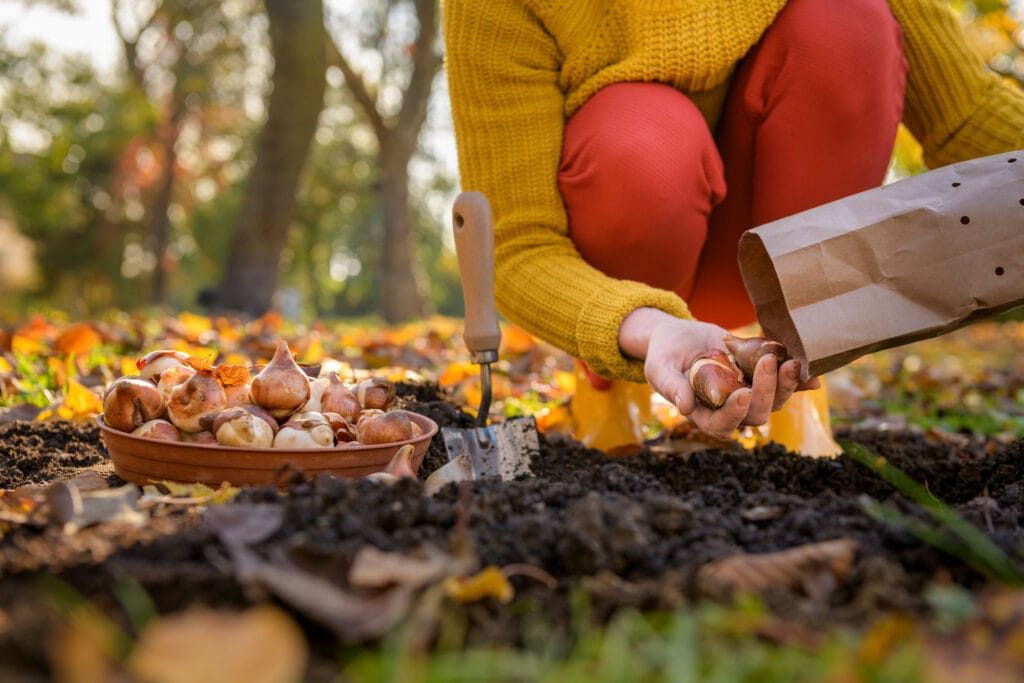
How Daylight Changes Impact Plant Rhythms and Growth
The real variable here isn’t the clock on the wall. It’s the light. When we shift seasons, the photoperiod—the actual hours of daylight your plants receive—changes drastically. This shift dictates everything from dormancy to active growth.
In autumn, as days shorten, plants sense the drop in light hours. They don’t “know” it’s October. They know the sun is up for less time. Shrubs trigger dormancy to conserve energy. Winter vegetables like leeks and cabbage keep growing, but their metabolism slows down. It’s a survival mechanism.
Spring brings the opposite. Longer days signal bulbs and fruit trees to wake up. The extended light stimulates chlorophyll production and cell division. They break dormancy because the environment tells them it’s safe.
Key Insight: The time change itself doesn’t hurt plants. The associated shift in natural light and temperature does.
Temperature Swings and Nighttime Risks
Light isn’t the only factor. Temperature fluctuations, especially at night, can kill fragile root systems if you’re not careful.
When daylight savings ends and nights get longer and colder, the first frost often arrives unexpectedly. You need to act before the ground freezes solid.
- Move sensitive species indoors: Geraniums, citrus trees, and Mediterranean herbs cannot handle a hard freeze. Bring them to a garage or greenhouse before temperatures drop below freezing.
- Insulate the soil: A thick layer of mulch around perennials acts as a blanket. It keeps root zones warmer and prevents freeze-thaw cycles from heaving plants out of the ground.
- Reduce watering: Cold plants drink less. Overwatering in autumn leads to root rot. Let the soil dry out more between sessions.
Conversely, when spring arrives and days lengthen, night temperatures can still plummet. Don’t rush to plant heat-loving crops like tomatoes or zucchini. Wait until the last frost date has passed. Cold shock stunts growth and can kill young seedlings.
Managing the Vegetable Garden by Season
Your garden schedule must pivot with the light. Autumn requires a harvest-first mindset.
- Dig up root crops: Carrots, beets, and potatoes need to be lifted before the soil becomes waterlogged and frozen. Wet, cold soil rots tubers quickly.
- Protect overwintering crops: If you sow winter spinach or kale, use row covers. These lightweight fabrics trap heat and allow you to extend the growing season by weeks.
- Supplement light for seedlings: Indoor starts often get leggy in late autumn. Use grow lights to mimic full-spectrum sun. This keeps stems stout and strong until spring.
Spring is about preparation. The longer days help warm the soil faster.
- Start under cover: Tomatoes and peppers can go into greenhouses or cold frames earlier in the season.
- Prevent drying: Longer days mean more evaporation. Apply mulch around summer crops to retain moisture. Dry soil stresses plants and reduces yield.
Adjusting Your Gardening Schedule
The clock shift changes your availability as much as it changes the plants’.
Autumn days are short. You get home from work, and it’s already dark. You have limited hours to weed, prune, or plant. Plan your big tasks for the weekend or early morning. Focus on pre-winter prep: cleaning beds, storing tools, and harvesting remaining crops.
Spring evenings offer more flexibility. You can work after dinner. This is the time to tackle large projects: building raised beds, composting, or planting out summer seeds. Use the extra light to your advantage.
Practical Steps for Seasonal Transitions
Don’t overcomplicate it. A few simple adjustments keep your garden healthy during time changes.
- Use solar lighting: Solar path lights or lanterns extend your usable evening hours in spring and autumn. You can see what you’re doing without turning on electric lights.
- Plan ahead: Don’t wait for the first frost to mulch. Do it in late autumn when the ground is still workable. Don’t wait for the last frost to start seeds. Start them 6-8 weeks prior indoors.
- Check forecasts: Local weather apps are your best tool. Watch for sudden drops in temperature, not just seasonal averages.
The Bottom Line
Changing clocks doesn’t break your plants. Ignoring the resulting environmental shifts does.
Pay attention to light levels. Watch the soil temperature. Adjust your watering schedule. These are the levers you control. Your garden will adapt if you give it the right cues.
Keep a notebook. Note when plants break dormancy each year. Track your first and last frost dates. This data helps you fine-tune your schedule for next season.
There’s no magic date. Just observation. And a little bit of dirt under your fingernails.