





























It started with a boom. In 2004, the US real estate market was on fire. Technology was advancing at breakneck speed, giving DIYers the tools to navigate property deals without middlemen. It felt like the end of the line for traditional real estate agents. The industry looked poised to suffer the same fate as travel agents, who lost their relevance to online booking sites.
Hot market conditions and a flood of new websites gave buyers and sellers direct access. You could find a home online. Make an offer online. Close the deal online. In that environment, paying a 5 or 6 percent commission to an agent felt absurd. Why pay for help when the internet made it so easy to go it alone?
Then the bubble burst.
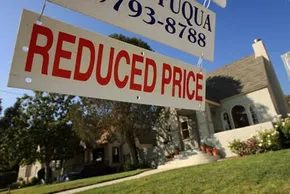
Between April 2007 and April 2008, the housing market crashed. New home sales plummeted by 42 percent. Existing home sales dropped 17.5 percent. Homes sat unsold for months. Values leaked away slowly. Sellers resorted to creative incentives to move inventory. Free utilities for a year. Flat-screen TVs. These were desperate attempts to lure cautious buyers who were waiting for the market to hit bottom.
Competition stiffened. The for sale by owner (FSBO) option lost its luster for many. Sellers needed help. They needed to market their properties to the largest possible pool of buyers. Many turned back to professionals. Specifically, to a subset of agents known as Realtors.
But what does that title actually mean? And does it matter which one you hire?
The License vs. The Title
There are more than 2 million licensed real estate agents in the United States. But only half of them are Realtors. This distinction is often overlooked by homeowners looking for representation.
A real estate agent is simply someone who has passed the state licensing exam. They are legally allowed to represent clients in real estate transactions. That’s it. It’s a baseline credential.
A Realtor is a specific brand of agent. They are members of the National Association of Realtors (NAR). This is a trade organization, not just a union. Membership comes with strings attached. Realtors must adhere to a strict code of ethics. They must undergo regular training in professional practices. They are held to a higher standard than the average licensee.
So, why does this matter to you?
Realtors aren’t just licensed agents. They are bound by a code of ethics that requires them to act in the best interest of their clients.
How Realtors Make Money
Whether you hire a standard agent or a Realtor, the compensation structure is generally the same. They earn money through commissions. Typically, the seller pays the commission, which is then split between the listing agent and the buyer’s agent. This usually amounts to 5 to 6 percent of the final sale price.
The difference lies in what you get for that fee.
Realtors have access to a vast network. They belong to local boards of Realtors. This gives them deeper market insights. They often have early access to listings. They know the local nuances that a general licensee might miss. They are also more likely to follow strict procedural protocols. This can reduce legal risks during the transaction.