





















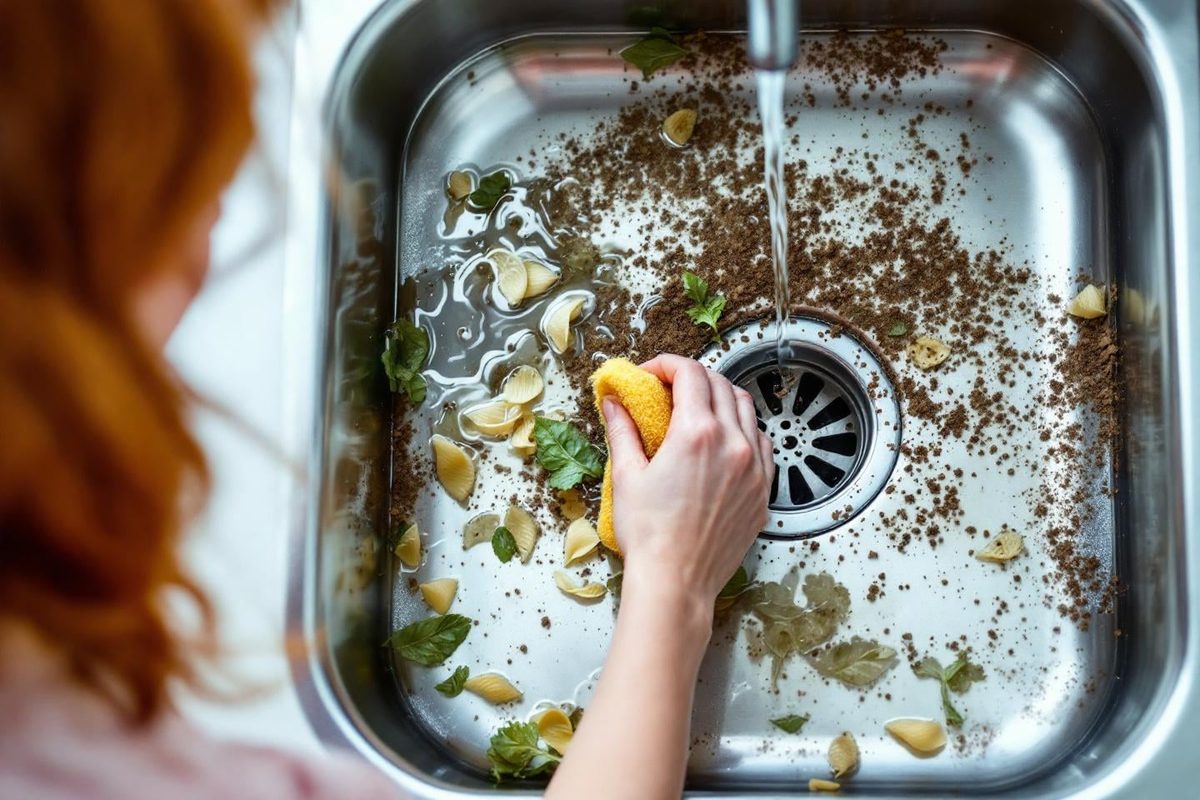
Pools of water. It smells a little rotten. You stand there on a Sunday morning, staring at the sink that won’t drain, wondering how you got here. It seems like a nightmare, but for homeowners, it’s only Tuesday.
Autumn is coming. The windows seal up. The house becomes a cocoon. And inside that cocoon, the plumbing is at war.
We treat our drains like magic holes into which waste simply disappears. We don’t see a fight in the pipeline. But this fight is real. And if you’re not careful, you’ll lose. Result? A clogged sink, a plumbing bill that makes your eyes water, and potential water damage that no insurance company wants to deal with.
It starts with small things. Things you do every day.
Зміст
Slow descent into drainage disaster
Clogs does not happen by accident. They don’t just appear out of nowhere. They build up. Layer by layer. Hair. Fat. Leftover food. Soap scum.
The kitchen is the main battlefield. Especially in the fall. You cook more. Making stews. Using heavy oils. You don’t think about the PVC pipe under your feet. You’re thinking about dinner.
But this fat? It doesn’t dissolve. It sticks. It covers the inside of the pipes. Over time it hardens. It narrows the flow of water.
The signs are there. Look for them.
The water drains slowly. Just a trickle. P-trap croaks like a dying frog. There is a bad smell from the drain. It’s earthy. It’s old. It’s waste water.
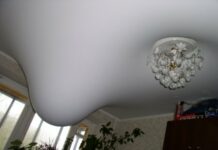
If you ignore these signs, you are playing roulette with your house. At some point the water has nowhere to go. It backs up. It spills onto your floor. Now you are dealing with water damage. Now you’re calling a plumber. Now you wait until Monday.
Invisible enemies will sabotage your pipes
What do we pour down the drain? We think we’re being careful. We’re not.
- Grease and oil: Pouring grease into the sink is the fastest way to clog it. It’s cooling. It will solidify. It acts like glue to everything else.
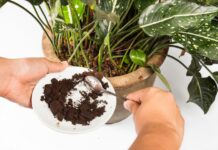
- Food scraps: Even small particles get stuck in the garbage disposal Coffee grounds are particularly bad. They clump. They turn into sludge.
- Soap and hair: In bathroom sinks, these form a hard mass. “Fatberg” in miniature.
- Chemical drain cleaners: They sound like a quick fix. They are not. They damage the pipes. They corrode metal. They cause leaks that are much worse than a blockage.
You can identify damage before it becomes an emergency. Water does not flow freely. It spins. It hesitates.
This is your chance to act. Before the overflow. Before the smell. Before you call an expert.
Start by checking the trap. U-shaped pipe under the sink. It is used to collect dirt. Remove it. Clean it. Attach it again. Tighten the joints.
It’s simple. It is effective. It’s maintenance.
Most people
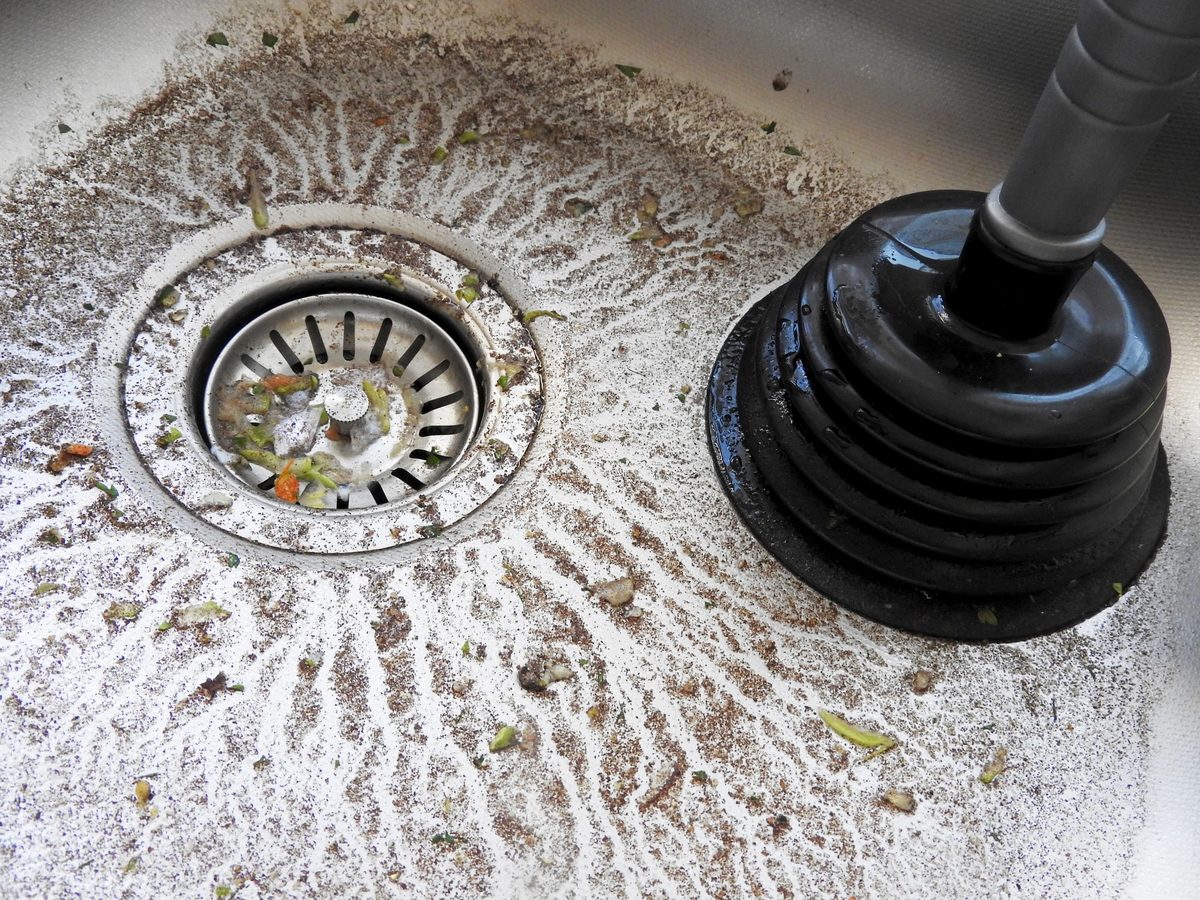
Most people think that water washes everything away. That is not the case. Some things will leave scars on your pipes that will never heal. Cooking fat, melted butter, used cooking oil, even leftover sauce – if you throw them in the sink after dinner, they will cool. In November, it hardens. It sticks to the walls. It builds blockade after blockade, like a dam that no one wanted to build. This is the first trap. We jump in and try to save time.
Then there are the mysterious factors. Things that seem certain but shouldn’t be. coffee grounds. They seem to scrub the pipes clean. Instead, they clump together with fat. This mixture leads to stubborn clog. Crushed eggshells? Table scraps? They settle down. They harden in the P-trap. The barrier remains silent until it is too late.
Bathrooms are worse. Cut hair. Cotton swabs. Towels labeled “biodegradable”. Cigarette butts. None of them belong in the sink or the toilet. They don’t dissolve. They act like a net. They catch everything else floating by. The mistake feels small. The damage is real.
The Real Cost of Ignoring Clogs
You call the plumber on Sunday night. You empty every cabinet to mop up water. You replace a ruined vanity. Each clog is a mini-disaster. The bill isn’t just the labor. That’s lost hours. Stress. The mood swings. Small savings in disposal habits will cost you more than a clean P-trap would ever cost.
It’s not just your house. What goes down the drain becomes pollution when it enters the environment. Fat. Medication. Harsh chemicals. They contaminate drinking water. They interfere with wastewater treatment. They threaten aquatic life. On a large scale, they exacerbate the ecological crisis. Pipes aren’t garbage disposals. The planet pays the price. A single “flushable” towel can last years in underground networks.
How to protect your plumbing and the planet
A few ways to save money and headaches. Never pour these down the drain:
- Cooking fats, oils or leftovers
- coffee grounds
- Eggshells
- Hair
- Cotton swabs
- Wipes
- Chemical cleaning agents or unused medicines
- Cigarette butts
These are public enemies. Throw them away or take the medicines to a pharmacy. Reserve a special container for used oil. Close it. Throw it in the regular trash. This one habit prevents clogs. It also helps the environment.
Small actions are important. Clean the P-trap regularly. Install a strainer in the sink. Rinse occasionally with hot water. These simple steps will prevent disaster. They extend the service life of the pipes. Maintenance of sanitary facilities saves the most valuable natural resource: water. Healthy pipes mean fewer repairs. Less waste. More peace of mind at home. And outside.
Your home is not just a shelter. It is part of the ecological chain. Winter is coming. You want to stay warm. Avoid unnecessary tasks. Preventing domestic floods offers comfort. And a cleaner future for everyone.