





























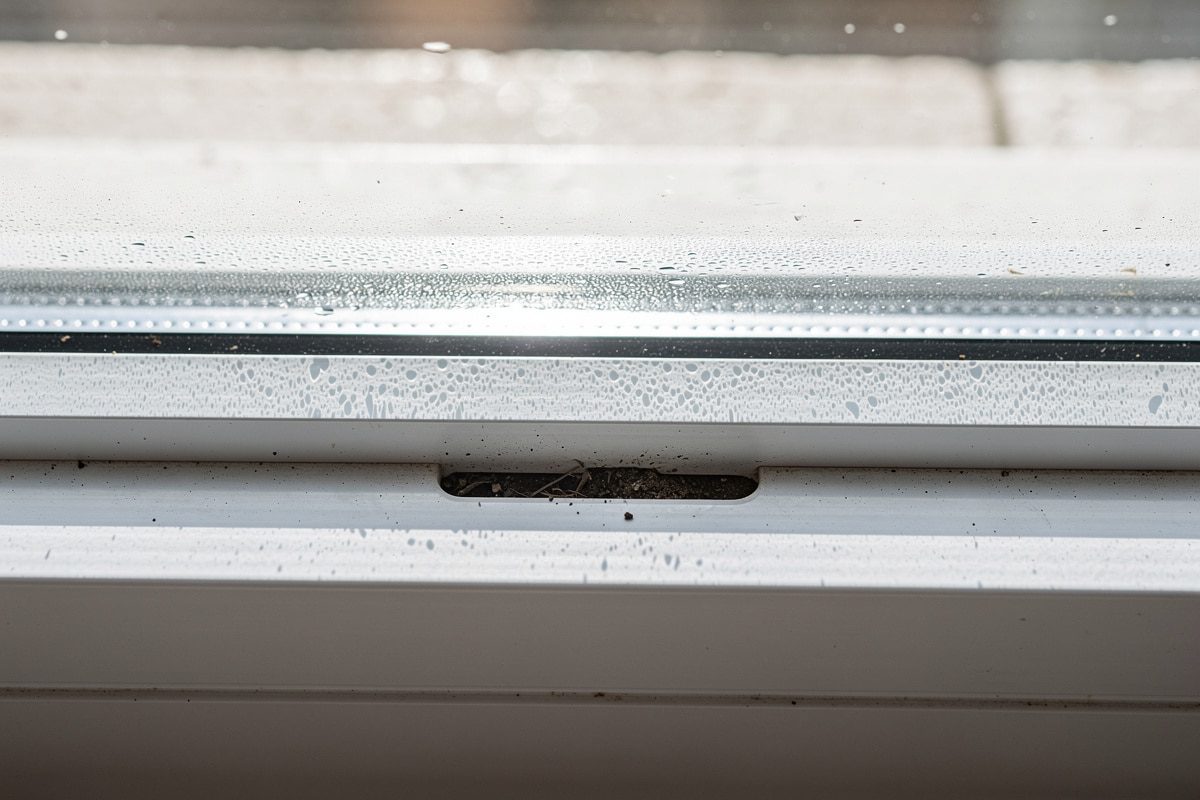
Spring is here. The sun is back. You’re opening windows, scrubbing glass, and letting light flood the rooms. It feels like a fresh start. But there is a spot you are probably ignoring. Look down. Look at the bottom frame of your windows. That’s where the real problem hides.
Tiny holes. Often invisible. They are the key to keeping your home healthy. When they get blocked, moisture invades silently. No noise. No warning. Just condensation on the glass in the morning. Then, damage to the walls. Then, bad air.
Зміст
The Purpose of Drain Holes in Window Frames
They are small. You might not even know they exist. Located on the bottom rail of the window frame, facing outward, these are drainage holes. Or air pressure vents. Their job is simple but critical.
Rain gets in. Condensation forms. This water needs somewhere to go. These holes act as escape routes. They balance pressure between the inside and outside. They let water flow out. Without them, water stays.
Why You Should Never Seal Window Drain Holes
Many homeowners make a mistake here. They see a gap. They fear drafts. They worry about insulation. So they seal it. Caulk. Tape. Foam. They plug the hole.
This is a huge error. It makes things worse. Trapping water inside the frame is dangerous. The water has to go somewhere. It seeps into the wood. It soaks into the masonry. It turns into vapor inside the room. This ruins your insulation efforts. It creates a damp environment that heating cannot fix.
How Debris Blocks Window Drainage
You don’t even have to block them yourself. Nature does it for you. Pollen. Plant debris. Urban dust. Over time, these clog the tiny channels. A paintbrush stroke during a refresh can seal them shut. Insects nest there. Pollution builds up. A compact plug forms.
This happens quietly. You won’t notice until water has nowhere to go.
The Spiral of Humidity and Damage
Once drainage is blocked, symptoms appear fast. Especially when nights get cold. Stagnant moisture causes persistent condensation on the glass. Gray spots appear on silicone joints. If ignored, water soaks the adjacent wall.
Peeling wallpaper. Bulging paint. Mold growing in corners. These microscopic fungi release spores. They irritate your airways. They turn your home into an allergy trap. It is not just ugly. It is unhealthy.
How to Clean Window Drain Holes Safely
You do not need professional tools. Common household items work fine.
- A wooden toothpick or a thin piece of wire
- A small flexible brush or an old toothbrush
- Lukewarm soapy water and a sponge
Open the window fully. Insert the toothpick or wire gently into the clogged hole. Work from the inside out. Be careful. Do not scratch the PVC, aluminum, or wood. Once the blockage is loose, use the brush to clean the channel walls. Pour a thin stream of lukewarm water into the rail. Water should flow out freely and instantly. If it does, you are done.
When to Maintain Your Window Drains
Prevention is better than cure. Check these channels twice a year. Do it now, during spring cleaning. Remove winter debris. Check again in late autumn. Ensure dead leaves haven’t clogged them before the rainy season. It takes one minute per window. It preserves the integrity of your home.
Keep that water moving. The alternative is slow decay.
Why keeping your ventilation drains clear matters
You think your house is tight? It is. But there is a difference between sealed and suffocated.
Modern homes are air-tight boxes. We want efficiency. We hate drafts. But that tightness traps moisture inside. Water vapor from showers, cooking, breathing. It hangs in the air.
Humid air is heavy. It holds heat poorly.
If the air inside is damp, your heating system works harder. You pay more. You stay less comfortable. The solution is not a new heater. It is a simple, often ignored maintenance task: clearing the ventilation drains.
These small holes at the bottom of your window frames or wall vents are not decorative. They are the lungs of your home. They let excess moisture escape. If they are clogged with dirt, paint, or debris, the moisture stays. The house stops breathing.
The immediate payoff: dry windows, no mold
You do not need a specialist for this. You do not need to tear out walls.
Check your windows. Look at the bottom rail. There are small slots or holes. These are the weep holes. They drain condensation that forms on the glass and frame.
If they are blocked, you see the results immediately.
Condensation forms on the inside of the glass. It turns into a thick, opaque fog by morning. It pools on the window sill. You wipe it away. It comes back the next day. This dampness is a breeding ground. Mold spores love it. Black mold grows on the edges of frames, on curtains, on nearby walls.
Cleaning these drains changes everything.
Use a stiff wire. A pipe cleaner. A small brush. Clear the debris. You might be surprised by what comes out. Dirt. Insect nests. Old paint chips.
Once the path is clear, the moisture escapes. The fog disappears. The sills stay dry. The air feels crisper. Your heating bill drops slightly because dry air is easier to heat. You are not just cleaning a hole. You are restoring the balance.
How to do it without damage
This is a weekend project. Takes twenty minutes.
Tools needed:
– A stiff wire or a long, thin brush
– A vacuum cleaner with a hose attachment
– A soft cloth
– Warm soapy water (optional)
Steps:
1. Locate the drain holes. They are usually at the bottom of the aluminum or PVC window frame. Sometimes they are under the sill.
2. Inspect them. Use a flashlight if needed. They look like small slots or round holes.
3. Insert the wire or brush. Gently push and pull. Do not force it. You are dislodging gunk, not breaking the frame.
4. Vacuum the area. Debris will fall out. Catch it.
5. Wipe the frame. Remove any residue.
6. Check the exterior side if accessible. Sometimes debris enters from the outside.
Safety note:
Work at a safe height. If your windows are on an upper floor, be careful. Do not lean out. Use a stable ladder if you need to reach the exterior vents.
Why this is the most overlooked DIY task
Homeowners focus on big projects. New roofs. Updated kitchens. They ignore the small details.
But moisture damage is slow