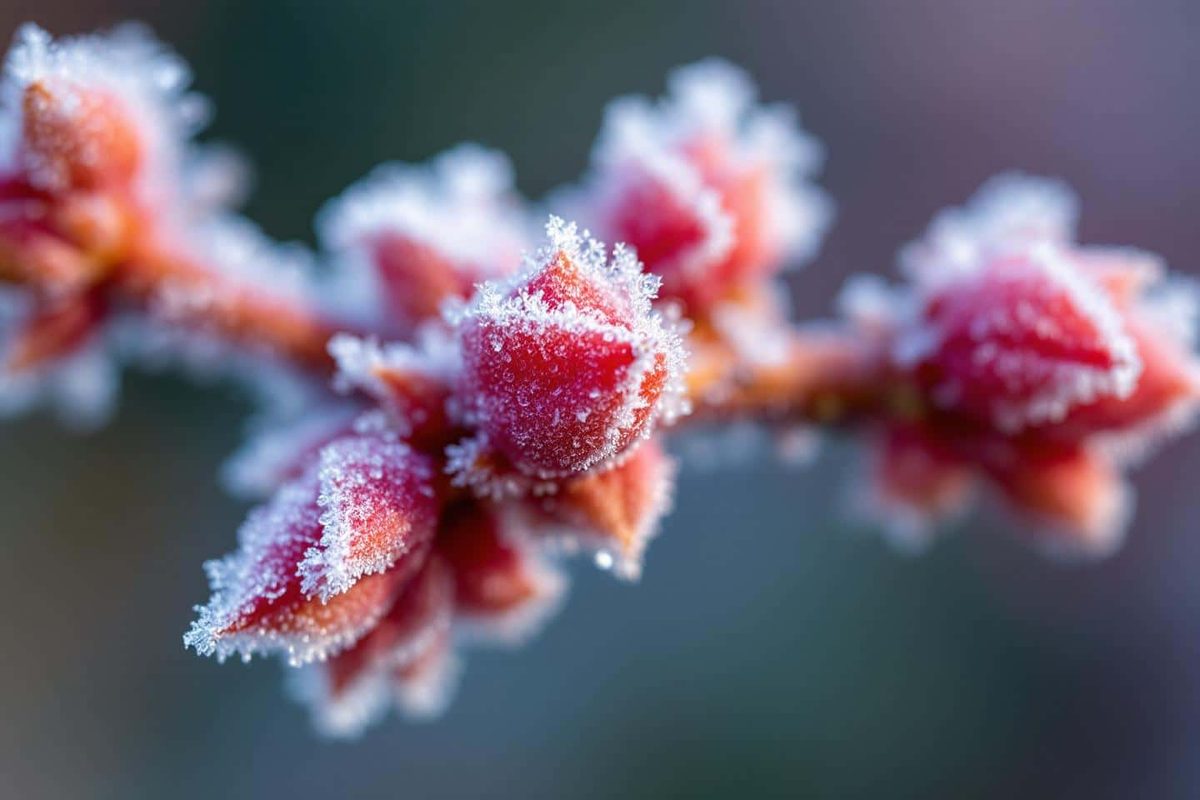
Most gardeners pack away their tools in late October. They are ready for winter. They want the job done. But producers who consistently harvest fruits bursting with natural sweetness do something different. They wait.
They wait for a specific window. It is not the first frost. It is not when the last leaf falls. It is the moment just before the plant truly enters dormancy. This timing is the secret to intense flavor.
If you want fruits that taste like candy, you have to understand the biology of the tree. You have to watch the weather. And you have to be willing to risk a little bit of your harvest for a lot more flavor.
Зміст
The Science Behind Late Harvests
Why do late-harvested fruits taste sweeter? It comes down to energy conservation. As autumn progresses, days shorten. Nights cool down. The plant senses the change.
It knows winter is coming. It knows it cannot grow anymore. So, it stops sending energy to leaves or new shoots. Instead, it funnels its remaining reserves into its fruit.
This process concentrates sugars. The fruit becomes a storage vessel. It holds onto glucose that would otherwise be used for spring growth. By picking late, you are harvesting that stored energy.
But there is a catch. You cannot wait forever.
The Danger Zone: Balancing Risk and Reward
There is a thin line between perfect flavor and total loss. If you wait too long, you lose the fruit.
Birds will eat it. Frost will kill it. Wind will shake it off the branch.
You need to monitor the forecast closely. Watch for the “real cold.” This is the sustained drop in temperature that signals permanent dormancy. Not a brief chill. A real freeze.
“Interrupt picking just before the real entry into dormancy. This precise moment determines maximum sugar concentration.”
Be ready to move fast. If a cold snap is predicted, you may need to harvest immediately. Do not wait for the temperature to hit zero. Harvest before the worst of it arrives.
Environmental Factors That Boost Sweetness
Moisture plays a huge role. Cold, humid nights are your best friend.
When the air is damp and cool, growth slows. The plant shifts gears. It stops building structure and starts building sugar. This humidity forces the plant into dormancy gradually.
The tree responds by depositing extra sugars into the fruit. These sugars act as antifreeze. They help the plant survive the cold. You benefit from this biological defense mechanism.
Morning fog is not just pretty. It is functional. It keeps the air cool and moist. It helps concentrate those sugars.
Practical Steps to Enhance Flavor
You can help the process. Small adjustments make a big difference.
1. Reduce Watering
Stop flooding your plants. In the weeks before harvest, cut back on irrigation. Less water means less dilution. The sugars stay concentrated. Do not let the plant dry out completely, but do not give it excess water.
2. Protect from Direct Cold
Young trees are vulnerable. Use mulch around the base. It keeps roots warm. It maintains soil moisture. For small bushes, use frost cloaks. This protection buys you time. It allows the fruit to mature fully without being damaged by sudden freezes.
3. Prune for Light
Light is fuel. Photosynthesis makes sugar. If branches are too dense, light cannot reach the fruit. Prune lightly in late summer. Open up the canopy. Let sunlight hit every apple or pear. This boosts photosynthesis right up to the end of the season.
4. Renew Mulch
Add fresh mulch in late autumn. It insulates the soil. It protects against ground frost. Healthy roots support healthy fruit.
Applying This to Your Garden
This strategy works for trees. It works for bushes. It works for berries.
If you have apple trees, wait for the late window. If you have raspberry canes, leave the fruit until the very last safe moment. Even on a balcony, potted plants respond to these cues.
The key is observation. Look at the sky. Feel the air. Watch the trees.
Are you willing to wait? The reward is worth the risk. But only if you know when to strike.
Next time, we will look at how to store these late-harvest fruits to keep that sweetness intact through the winter. For now, keep your eyes on the forecast. And keep your hands ready.
Mastering the Autumn Sweetness: A Grower’s Precision Guide
Success isn’t luck. It’s observation. It’s knowing exactly when to step back and let nature take the wheel. For homeowners growing fruit trees or berry bushes, the difference between tart and intensely sweet often comes down to late-season management. You aren’t just waiting for harvest. You are managing stress.
Watch the Sky, Not Just the Soil
The weather shifts in autumn can be deceptive. A warm spell in October might tempt you to water generously. Resist. Plants are signaling a change in rhythm. They are preparing for dormancy. If you overwater now, you dilute the sugars accumulating in the fruit.
Instead, monitor local forecasts closely. Look for the first signs of a hard freeze warning. This isn’t about predicting the future perfectly. It’s about reacting to the immediate drop in temperature.
Cut the Water Before the Cold Hits
Here is the trick most amateurs miss. You need to reduce irrigation before the ground freezes. But not so much that the plant dries out completely. Think of it as a tapering off, not a cutoff.
Why does this matter? Water stress in the late season concentrates the flavors. It forces the plant to pull more nutrients from its own reserves into the fruit. If the soil stays soggy, the fruit stays watery and bland. If you cut it off too early, you risk damaging the roots. Find that middle ground.
When the first frost threat appears, stop watering entirely. The plant can handle the residual moisture in the root zone. It cannot handle the cold stress of wet soil freezing around the roots.
Protect Against the Early Bite
Frost can ruin a season’s work in hours. You don’t need expensive equipment. You need basic materials.
- Mulch : Pile it thick around the base of your trees and bushes. This insulates the roots and keeps the soil temperature stable.
- Frost Cloths : Have breathable fabric ready. Don’t use plastic. Plastic traps heat during the day and can cook the plant at night. Fabric allows for airflow while trapping ground heat.
Apply these protections when temperatures drop below freezing. Remove them by mid-morning once the sun comes up. This prevents overheating.
The Wait: Patience Pays Off
This is the hardest part. You see the fruit changing color. You smell the faint scent of ripeness. You want to pick it now.
Don’t.
Wait until the night before dormancy sets in. The final burst of cold, dry air is what concentrates the sugars. It’s a biological stress response. The plant is shutting down. The fruit is the last thing to be preserved. Give it that extra few days.
“The alliance of technique, deep knowledge, and precise observation is what allows for flavors that rival summer’s peak.”
This isn’t just about getting fruit off the tree. It’s about maximizing the quality of every single bite. The cool, crisp air of late autumn does the heavy lifting. Your job is just to get out of the way.
Testing the Method on Your Property
Start small. Pick one apple tree. One grape vine. One patch of raspberries. Apply these rules. Reduce water. Add mulch. Wait. Compare the result to last year’s harvest.
The autumn of 2025


