






















Це звучить надто просто, щоб бути правдою, але найефективніший спосіб не пустити злодіїв у свій будинок – це той, який часто забувають власники житла. Потрібно замикати двері та вікна. Здається, що це тривіальність, можливо навіть образа вашого інтелекту, але дані не звертають уваги на ваші почуття.
За даними Федерального бюро розслідувань (ФБР), 27,8 відсотка квартирних крадіжок у Сполучених Штатах у 2006 році відбулися без застосування сили. Це означає, що у більш ніж 607 тисяч будинків зловмисники не розбили жодного скла і не виламали двері. Вони просто повернули ручку. Вони ввійшли.
«У більш ніж 607 000 випадків крадіжки того року злодії просто відкрили незачинені двері або вікно і увійшли всередину».
Ставки високі. Ці 2,2 мільйони квартирних крадіжок у 2006 році призвели до втрати майна на суму 4 мільярди доларів. Середня втрата жертви склала понад 1800 доларів. Хоча ці статистичні дані включають і комерційні підприємства, на житлові будинки припало понад 66 відсотків загальної кількості злочинів. І ось найважливіший факт: 63 відсотки таких зламів житлових приміщень сталися вдень.
Отже, що це говорить нам про середнього злодія? Вони віддають перевагу шляху найменшого опору. Їм подобається діяти, коли у будинку нікого немає. Оскільки ви не можете звільнитися з роботи, щоб сидіти в темряві з дробовиком, чекаючи підозрюваного, вам потрібно зробити свій будинок складною метою.
Зміст
Мислення злочинця
Ви, напевно, чули приказку: якщо злодій вирішить проникнути всередину, він це зробить. Технічно, це правда. Але ваша мета – не створити неприступну фортецю. Ваша мета – зробити роботу незручною, небезпечною та тривалою. Злодії хочуть швидких та легких нажив.
Почніть із огляду своєї території. Всередині та зовні. Шукайте слабкі місця. Як би ви самі проникли усередину, якби хотіли вкрасти свої речі?
Різниця у використанні засуву
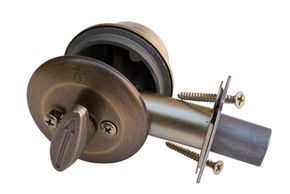
Ваші двері – це перша лінія оборони. Вона повинна мати хоча б один засув з довжиною виступаючої частини (зачепа) не менше одного дюйма (2,54 см). Це означає, що засув входить у дверну коробку як мінімум на один дюйм, зачеплюючи деревину так, що удар ногою не призведе до розколювання косяка.
В ідеалі вам потрібен двоциліндровий засув. Цей тип вимагає ключа як замикання, так відкривання як зсередини, і зовні. Чому це важливо? Якщо у вас є двері зі скляною вставкою в межах 40 дюймів (близько 1 метра) від дверної ручки, одноциліндровий замок стає вразливим. Злодій може розбити скло, просунути руку всередину та повернути язичок замка зсередини. З двоциліндровим замком їм знадобиться ключ.
Проте є нюанс. У деяких муніципалітетах двоциліндрові замки порушують правила пожежної безпеки. Якщо виникне пожежа, вам потрібно мати можливість швидко вийти, не пораючись з пошуком ключа. Якщо ваше місто забороняє їх використання, замініть двері зі склом на цільну дерев’яну або металеву.
Зміцнення дверної коробки
Ідеальним варіантом є масивні металеві двері або масивні дерев’яні двері з металевою обшивкою. Встановіть вічко, щоб бачити, хто стукає, перш ніж відчиняти двері. Але пам’ятайте: двері міцні рівно настільки, наскільки міцні коробки, які її тримають.
Злодії часто вибивають двері з петель. Щоб запобігти цьому, переконайтеся, що коробка закріплена довгими гвинтами. Зокрема, використовуйте щонайменше один тридюймовий (7,62 см) гвинт для кожної петлі. Стандартні гвинти надто короткі; вони вириваються з гіпсокартону чи несучої балки. Тридюймовий гвинт глибоко входить у конструктивний каркас, що ускладнює проникнення через точку входу.
Розсувні двері та вікна
Скляні розсувні двері є найвідомішими слабкими місцями. Вони великі, тендітні і часто погано закріплені. Вам не потрібна високотехнологічна система для вирішення цієї проблеми. Простий шматок дерева, вирізаний за розміром і вставлений всередину напрямної, не дозволить розсувним дверям відкритися ззовні. Це дешево. Це непомітно. Це працює.
Для кращої безпеки встановіть замки з ключами на розсувні двері та вікна. Вони використовують механізм замикання за допомогою ключа, додаючи шар тертя, який злодій повинен подолати.
Зробити свій будинок складною метою – це не лише замки. Зачинені розсувні двері все ще можна розбити каменем. Але поки що зосередьтеся на основах. Забезпечте точки входу. Зробіть їх складними для відкривання. Зробіть їх складними для руйнування.
Перейдіть на наступну сторінку, щоб дізнатися про інші способи зробити ваш будинок менш привабливим для злодіїв.
Три ніжки табурету домашньої безпеки
Замикання – це перший крок. Це базовий захід, безумовно, але, враховуючи, що майже 30% крадіжок із зломом у 2006 році не вимагали застосування сили, саме тут більшість людей припускаються помилок. Інші 70%? Це зломи із застосуванням сили. Ті самі, від яких у вас тремтять коліна.
Національна асоціація сусідських патрулів (National Neighborhood Watch Association) поділяє захист на тріаду: стримування, виявлення та затримка. Втрачено одну ланку – і ви залишаєте проломи в безпеці.
Стримування: Виглядайте зайнятим, виглядайте небезпечним
Стримування починається з апаратних засобів. Замочні болти. Міцні рами. Але це також психологічна війна. Знак у дворі працює. Він кричить: “У мене встановлена сигналізація”. Злодії ліниві. Вони шукають шлях найменшого опору. Дайте їм знак “складна мета”, і вони підуть.
Ваш будинок має виглядати заселеним. Навіть якщо ви на роботі, залиште увімкненим радіо. Встановіть таймери на світло. Якщо здається, що вдома хтось є, ризик для злодія зростає. Але будьте обережні із візуальними ефектами. Відкриті штори? Переконайтеся, що вони не створюють кадру з безключовим доступом до автомобіля, що стоїть у гаражі або на під’їзній доріжці. Якщо злодій може бачити ключі в межах досяжності, ваш автомобіль стає метою і проникнення в будинок може стати найшвидшим способом дістатися до них.
Собаки – питання складне. Собака-охоронець може бути нейтралізований професіоналом, який знає, що потрібно кинути шматок м’яса або заманити звіра до спальні і закрити двері. Не покладайтеся на них як засіб захисту. Покладайтеся на них як засіб виявлення. Лай – це сигналізація, якій не потрібні батарейки.
Виявлення: Перетворіть це на «розбий і біжи»
Виявлення змінює характер злочину. Без сигналізації крадіжка із зломом — це тихий крадіжка. З нею – це розбий і біжи. Злодій у паніці. Він гарячково вистачає прикраси та ноутбуки, а не розглядає їх у спокійній обстановці.
Вартість систем сигналізації варіюється, але основні вимоги не змінюються. Вам потрібні датчики кожного входу. Датчики руху усередині приміщення. І гучна вулична сирена. Шум – це головне завдання. Він повідомляє район. Він привертає увагу.
Ось технічне попередження: Якщо у вас бездротова сигналізація, керована брелоком, остерігайтеся клонування сигналу. Злодії з дешевим радіообладнанням можуть дублювати сигнал “відключення” з вулиці. Дротові системи або системи з динамічними кодами (rolling codes) безпечніші. Не рекламуйте тип вашої конкретної системи у соціальних мережах чи знаках у дворі. Просто дайте їм зрозуміти, що вона є.
Висвітлення також має значення. Прожектори з датчиком руху позбавляють злодія укриття темряви. Вдень ставтеся до ландшафтного дизайну як системи безпеки. Підстригайте кущі. Якщо злодієві нема де сховатися, він не затримуватиметься. Розгляньте можливість посадки колючих кущів під вікнами. Це фізичний бар’єр, який каже: «ні, дякую».
Затримка: Правило чотирьох хвилин
Час — ваш найкращий союзник. Чим довше злодій витрачає на злам замків або розбивання скла, тим вищий шанс, що його зловлять або він відмовиться від задуманого. NNWA припускає, що затримка в чотири хвилини часто буває достатньою, щоб робота не коштувала ризику.
Як виграти час? Усуваючи легкі варіанти.
- Обріжте дерева. Тримайте гілки на достатній відстані від вікон верхніх поверхів, щоб вони не були сходами.
- Захистіть підвали. Це найпоширеніші точки входу. Зміцніть скло.
- Замикайте гараж. Це часто найслабша ланка.
Кожна замкнена двері, кожне укріплене вікно додає секунди до процесу. Складіть ці секунди, і ви перетнете поріг у чотири хвилини.
Фундамент: Замки
Ніщо з цього не має значення, якщо ви залишаєте вхідні двері незачиненими. Це звучить очевидно, але це найпоширеніша помилка. Стримування, виявлення та затримка – це шари. Замок – це основа.
Забезпечте безпеку точок входу. Довіряйте своїм датчикам. Слідкуйте за тінями. Не про те, щоб побудувати фортецю. Мова про те, щоб зробити ваш будинок найнепомітнішим будинком на вулиці.
«Чим довше злодії потрібно, щоб проникнути у ваш будинок, тим вище ймовірність, що він здасться і піде.»
Для більш глибокого розуміння того, як ці системи працюють насправді, ви можете вивчити механіку того, як працюють сигналізації від злому, або основи техніки злому замків. Розуміння інструментів ворога допомагає будувати надійніший захист.