


























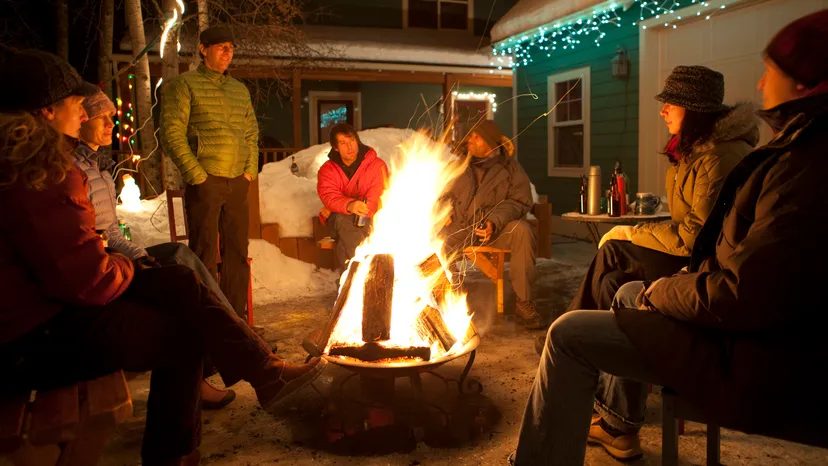
There is a primal pull to a crackling fire. It draws people in. You tell stories. You roast marshmallows. You feel warm. But turning that allure into reality requires more than just striking a match in the dark. If you want to know how to start a fire without turning your backyard into a hazard zone, you need a plan.
You do not need a log cabin to have a bonfire. You just need dry wood, a safe spot, and the right technique. This guide covers the basics of building a safe, controlled fire. We will skip the Castaway fantasy of rubbing sticks together. That is for movies. Real life needs preparation.
Зміст
选址 Your Fire Pit Wisely
Location is everything. Pick a spot away from flammable materials. Dead trees? Keep them out of range. Dry grass? Walk around it. Overhanging branches that drop sparks into a neighbor’s roof? Absolutely not.
Wind is a major factor. Choose a sheltered area if possible. Sparks flying in the wind can start unintended blazes.
Create a clear perimeter. Use non-combustible materials. Large rocks work well. Dirt works. Stone works. This barrier stops the fire from creeping into the grass.
Before you light anything, have an extinction method ready. Keep a bucket of water nearby. Sand works too. A fire extinguisher is a smart addition if you have one. Do not skip this step.
The Materials You Need
Building a fire is a layered process. You need three distinct components.
- Tinder: This catches the spark. Use dry leaves, pine needles, bark shavings, or even crumpled newspaper. It needs to be fine and dry.
- Kindling: These are small sticks. Think twigs and small branches. They bridge the gap between tinder and fuel.
- Fuel: These are the larger logs. Hardwood is best. It burns longer and hotter.
Avoid green wood. Uncured wood smokes excessively. It produces small flames and very little heat. It also creates more creosote, which is nasty for your chimney if you were using a fireplace, though here we are outside.
Do not bring random debris. Trash, painted wood, or treated lumber releases toxic emissions. Stick to natural, untreated materials.
The Step-by-Step Build
You have your spot. You have your materials. Now you build.
Create a circle with bricks or stones. If you want a permanent setup, dig a shallow hole and line it with stones. This is a fire ring. It contains the heat.
Start with the tinder. Pile it in the center. Make a small mound.
Next, the kindling. Stand dry kindling sticks up in a teepee shape around the tinder. Leave gaps. Oxygen needs to get in. If you pack it too tight, the fire chokes.
Add the fuel logs. Place larger logs parallel to each other on two sides of the teepee. Do not stack them high yet. You are building the foundation.
Repeat the process. Add another layer of kindling. Then another layer of logs. Build the teepee higher and higher. You can go up to five layers if you want a long-lasting fire. The structure allows air to flow through the center while the outer logs catch the flame.
Drop a match into the center of the teepee. Push it deep into the tinder layer. Light it.
Watch it catch. If it does not catch immediately, add more tinder. Do not blow on it aggressively at first. Let the air pull the flame up.
Safety and Legal Checks
Do not leave the fire unattended. Period. That is how wildfires happen. Watch the fire. Watch the kids. Watch the pets.
Keep the fire manageable. Do not add excessive wood. Large fires are hard to control. If it gets too big, it gets dangerous.
Extinguish it completely before leaving or going inside. Drown the embers. Stir the ashes. Pour more water. Touch the ashes. They should be cold to the touch. If they are warm, they are still burning.
Check local rules. Some areas require permits for bonfires. Some have specific times when fires are allowed. Contact your local fire department. They may have specific safety instructions for your landscape. Ignoring these rules can lead to fines or worse.
What to Avoid
Never use flammable liquids to start a fire. Gasoline. Alcohol. Lighter fluid. These can cause rapid, uncontrollable flames. They explode. Stick to designated fire starters or just dry kindling.
Do not rely on friction methods unless you are training for survival. Matches and lighters are safer and more reliable for the average homeowner.
Keep a phone nearby. In case things go wrong, call for help.
Final Thoughts
Starting a fire is simple. Keeping it under control is the hard part. Prepare your site. Gather your wood. Build your teepee. Light the match. Watch it burn. Then put it out.
The warmth is real. The memories are real. But the safety must be real too. Keep your water bucket close. Keep your eyes on the flames. And maybe save the friction-fire tricks for the next camping trip.
How to Build a Safe, Crackling Bonfire Without the Smoke
There’s a specific rhythm to starting a fire. You want that low, steady heat that makes conversation easy, not a furnace that forces everyone to huddle at a uncomfortable distance. Too much fuel too soon creates a blaze you can’t control. Too little, and you’re just watching wet wood smoke.
It’s an art form. But more importantly, it’s a safety exercise.
Before you even think about striking a match, you need to know the rules of the road. This isn’t just about ambiance; it’s about legality and liability.
Is a Backyard Bonfire Legal in Your Area?
Don’t assume your yard is a free-fire zone. Many municipalities require a permit for any open flame larger than a simple camp stove. Some states ban bonfires entirely during high fire danger seasons—usually late summer or early autumn.
Here is the checklist before you break ground:
- Check local ordinances: Call your city hall or check the municipal code online.
- Contact the fire department: A quick call can save you a hefty fine or an angry neighbor.
- Verify seasonal bans: Even if permitted year-round, wind alerts or drought conditions may impose temporary restrictions.
If the answer is yes, you can proceed. If no, stick to a contained fire pit or a propane grill.
The Best Wood for a Long-Lasting Fire
Not all wood burns the same. Softwoods like pine ignite quickly but burn fast and pop. Hardwoods like oak, maple, or hickory are the gold standard for a backyard bonfire.
Why? Because they are dense. Dried and cured hardwoods produce less smoke and release more consistent heat. Wet wood, regardless of species, will simply steam and smoke. It won’t give you the crackle you’re looking for. It’ll give you a headache.
How to Build a Bonfire Structure Step-by-Step
You don’t need a complex system. You need structure. A chaotic pile of logs will smother itself. A proper structure allows oxygen to flow.
1. Create a Foundation
Lay out bricks or heat-resistant stones in a circle. This contains the embers and protects your grass from catching fire. Make the circle wide enough to accommodate your fuel, but not so large that you’re trying to warm a parking lot.
2. Prepare Your Tinder
Tinder is the small, dry material that catches the initial flame. Gather small twigs, dry leaves, birch bark, or crumpled paper (though paper burns too fast to be primary fuel). Stack these in a teepee shape inside your stone circle. The air gaps between the sticks are critical for airflow.
3. Add Kindling
Once the teepee is ready, surround it with kindling—small sticks about the thickness of your thumb. These will sustain the flame once the tinder burns out.
4. Place the Fuel Logs
Add your larger logs around the kindling. Do not bury the teepee. Leave space between the logs for air circulation. If you pack them too tight, the fire will choke.
5. Ignite
Light the base of the tinder teepee. You should see flames rise up within seconds. As the kindling catches, the larger logs will follow.