
It started in 1992. The Environmental Protection Agency launched the Energy Star program to stop the bleeding of electricity from desktop computers. It worked. Now it covers over 50 product categories. The mission hasn’t changed. Conserve energy through better tech.
Originally voluntary, the scheme gave consumers hard data. Nobody wants to calculate the kilowatt-hour savings of one ceiling fan versus another. The blue label tells you the product beats the standard. You see it on dishwashers. Heating systems. But also on roofing. Commercial gear. Even indoor air quality filters.
The EPA expanded the label to new homes. Commercial buildings. Industrial sites.
According to the Department of Energy, Americans saved enough energy last year to power 10 million homes and avoid emissions from 12 million cars.
The sticker power is real. The savings hit $6 billion.
Upfront costs are steep. Making a fridge efficient requires R&D spending. Manufacturers pass that cost to you. You pay more now. You save later on utility bills. Federal and local governments sometimes offer rebates to bridge the gap. They want you to switch.
But what does the label actually mean for the products you touch? We’re breaking down the history. The efficiency thresholds. How to build or remodel for certification. And the math behind the tax breaks.
Зміст
History of Energy Star
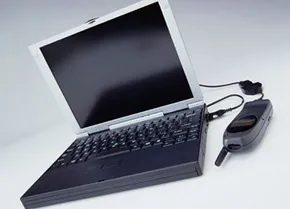

The EPA didn’t just create Energy Star to make people feel good about saving the planet. It was a strategic move to cut greenhouse gas emissions by forcing manufacturers to stop wasting energy. Sure, Congress passed the Energy Policy and Conservation Act back in 1975. That law set minimum efficiency standards for major appliances. But the EPA wanted to go further. In 1992, they launched a voluntary program that actually worked.
Before Energy Star, consumers had no clue which electronics were energy hogs. Computers were new. Everyone was buying them. Nobody realized their office setup was frying their electric bill. The program started with computers and monitors. Then it expanded to heating and cooling gear. By 1996, the Department of Energy joined the party. They added more product categories. The goal was simple. Make it easy for businesses and homeowners to skip the research.
Think of it as an economics lesson for environmentalists. The label lowers production costs for manufacturers. It also makes products more attractive to buyers. It’s a win-win. If you’re like Joe Homeowner, you don’t have time to study thermodynamics. You just want a TV that doesn’t drain your wallet. You want reliability. You don’t want phantom energy usage when the set is “off.”
Energy Star steps in as the middleman. They test the sets. They ensure the energy-saving tech didn’t compromise picture quality. Now Joe can look at the shelf and instantly see which TVs use less electricity. It’s that simple.
What the Yellow Tag Actually Means
To get the label, a product has to pass specific hurdles. It starts with the yellow “Energy Guide” tag. You know the one. Every major appliance has it. The Department of Energy mandates it. This tag tells you how much energy the device uses compared to similar models. It lists estimated annual operating costs. Those costs are based on the national average electricity rate.
But the Energy Star label is different. It’s a green-and-blue seal. A product only gets it if it beats the competition. Usually, it has to reduce energy consumption by a certain percentage within its category. If it doesn’t meet that bar, it stays off the list.
The program covers a lot of ground. You aren’t just limited to big appliances.
- Appliances: Clothes washers, dishwashers, refrigerators, room air conditioners
- Heating and cooling: Central air conditioners, furnaces, programmable thermostats
- Home envelope: Windows, roofing materials, insulation
- Home electronics: Televisions, VCRs, DVD players, home audio systems
- Office equipment: Computers, monitors, photocopiers, laptop computers, printers
- Lighting: Fixtures and bulbs
- Commercial products: Exit signs, vending machines, water coolers
If you want to check a specific item’s rating, you can look up the details online. But the label itself is the quick reference guide.
Commercial Buildings and Energy Waste
The EPA points out that commercial buildings are huge contributors to greenhouse gas emissions. They account for nearly 18 percent of the total in the United States. That’s a massive number. But Energy Star buildings cut their energy consumption by 35 percent. That’s not a small margin.
The rating applies to the entire building shell. It covers lighting. It covers food-service equipment. It includes heating, cooling, and ventilation systems. Even office equipment and small appliances are factored in. It’s a holistic approach.
New Energy Star Homes

Beyond the Label: New Builds and Retrofits
If you are breaking ground on a new build, the rules are strict. The EPA and Department of Energy mandate that any home under three stories must beat the 2004 International Residential Code by at least 15 percent to earn that coveted blue label. It’s not just about throwing money at solar panels. You need effective insulation. High-performance windows are non-negotiable. Construction and ducts must be sealed tight. Heating and cooling equipment has to be efficient. Even the appliances need the Energy Star stamp. And in 18 states, you need third-party verification to prove you actually did the work.
“About 3,500 homebuilders have partnered with the EPA to construct 750,000 Energy Star-qualified homes.”
There is also an Energy Star Indoor Air Package label. You have to qualify for the main label first. Then you meet 60 extra standards for air quality. It’s a heavy lift.
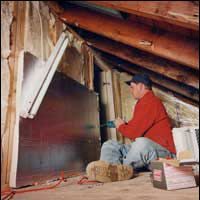
Not building new? You can still retrofit. Hard-core enthusiasts can hire a third-party assessor. This service is limited to 16 states though. Check your local utility companies. Many offer assessments. They advise on insulation and HVAC upgrades. They often provide rebates if you go through their partners.
Sealing air leaks in the attic and basement is the biggest win. Including the ductwork. Add attic insulation. That’s how you cut costs. Energy Star labels insulation and doors that meet the criteria. It helps you choose the right materials.
Use a Kill A Watt EZ meter. Plug in your old fridge. See the drain. Then decide if you want to replace that energy hog.
Understanding the Code and Tax Benefits
The International Residential Code sets the baseline. It covers building, plumbing, mechanical, fuel gas, energy, and electrical procedures. The International Energy Conservation Code pushes harder. It encourages conservation through efficient envelope design. Mechanical systems. Lighting. Most states have their own variations. You can find your state’s specific code online.
Until the end of 2007, the IRS offered tax credits for improvements. The amounts were set.
- Windows and doors: 10 percent of cost.
- Roofing: 10 percent for Energy Star-labeled metal roofs.
- Insulation: 10 percent of cost.
- HVAC: $300 for specific central air conditioners and heat pumps. $150 for specific furnaces.
- Water heaters: $300 for specific units, including tankless.
- Solar energy: 30 percent of cost for solar water heaters.
State tax credits vary. Some partners offer direct rebates. Check the Energy Star site by zip code.
The Reality of Savings
The label doesn’t guarantee thousands in savings. It just removes one layer of research. Compared to other products, it’s greener. But the numbers are modest.
An Energy Star refrigerator saves about $4 a year. A dishwasher? $8. A clothes washer saves $41. If you go front-load, it’s more. A programmable thermostat saves $100.
Refrigerator efficiency is climbing. The DOE changed criteria in August 2007. Full-size units must be 20 percent more efficient as of April 28, 2008. Up from 15 percent. That adds a couple of dollars to the annual total. Small changes. Cumulative effect.


