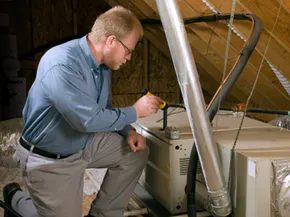
Most homeowners treat their heating systems like black boxes—out of sight, out of mind, until the temperature drops and the silence screams. Then panic sets in. But here is the truth: a furnace is rarely the enemy. It is usually just neglected, dirty, or tripped. Efficient operation isn’t magic. It is a direct result of consistent, no-nonsense maintenance.
Whether you have a gas furnace, an oil burner, or a modern heat pump, the logic remains the same. If the system fails, it is almost always because one of three things went wrong: the heat source died, the distribution system (blower/fans) stalled, or the thermostat forgot its job. Start simple. Do not assume the worst.
Зміст
Before You Touch a Wire
There is a hierarchy to troubleshooting. Do not open the casing. Do not call a technician yet. Walk through this checklist first. It covers the vast majority of “dead” units.
1. Check the Power
Is the unit actually getting electricity? Look at your main electrical panel. Are there blown fuses? Did a circuit breaker trip? Some furnaces have their own dedicated breaker nearby. Others have a switch mounted directly on the unit’s housing. If it is a gas furnace, check for a separate power switch near the unit. Flip it on. If you are unsure which breaker controls the furnace, turn off the main breaker to cut power to the entire house before proceeding with any inspection. This is non-negotiable for safety.
2. The Reset Button
Look at the motor housing. Is there a red or black button labeled RESET? If the motor overheated, it may have shut down. Wait 30 minutes. Let the motor cool completely. Then press the button. If it does not start, wait another 30 minutes and try again. Repeat this process at least once more. If it still won’t run, stop. You have a deeper electrical issue. Call a pro.
3. Thermostat Check
Is the thermostat set correctly? If the house is cold, raise the setting by 5 degrees. For air conditioners, lower it. If the system still doesn’t respond, the thermostat itself might be the culprit. We cover calibration later, but a dead battery in the thermostat is a surprisingly common reason for a “dead” furnace.
4. Fuel Supply
If you run on gas, is the valve open? Is the pilot light lit? If you have an oil furnace, check the tank gauge. Is there actually fuel in the tank? It sounds silly, but empty tanks happen.
Safety First: The Red Lines
You are working with high voltage, moving parts, and potentially explosive gases. Respect the boundaries.
- Electrical Safety: Before removing any panels or touching internal components, turn off the power. Trip the breaker or remove the fuse. If fuses blow repeatedly when you try to restart the unit, there is a short circuit. Do not replace the fuse and try again. That is a fire hazard. Call a professional.
- Gas Leaks: If you smell gas, do not flip light switches on or off. Do not use your phone inside. Do not try to shut off the gas valve yourself if you are unsure how. Get out. Leave the door open if you can do so safely. Call the gas company or the fire department from a neighbor’s house. Do not re-enter until the all-clear is given.
Why Maintenance Beats Repair
Dirt is the silent killer of HVAC efficiency. It coats heat exchangers, clogs filters, and insulates motors. A dirty system works harder, uses more fuel, and breaks down sooner. Cleaning is not optional. It is the single most important maintenance task you can perform.
Lubrication matters too. Motors with oil ports need a few drops of non-detergent motor oil once a year. Belts need tension checks. But before you worry about belts, worry about airflow.
The Annual Tune-Up
DIY maintenance can keep a furnace running for years. But it cannot replace a professional inspection. Have a certified technician service your system once a year. The best time? At the end of the heating season. It is the off-season for HVAC companies. You will get faster service, and often, a discount. While you are at it, have them check your air conditioner. You only want to find out the AC is broken when the heat is off and the AC is on if you are prepared for an expensive emergency call.
Where to Go From Here
If you have walked through these steps and the system is still dead, or if you are ready to dive into the internals, the next step is cleaning the furnace components and understanding the specific mechanics of your heat source.
For those who want to dive deeper, we have guides on repairing gas furnaces, maintaining thermostats, and tackling other major appliances. But remember: if the smell of gas is present, or if the electrical issues persist, step back. Some problems are not DIY-friendly.
Start with the reset button. Check the breaker. Then wait.


