We love finding miracle cures. You browse social media and follow the latest trends. Compost tea? Safe. Eggshells? Classic. Wood ash? It works. But in our rush to find complicated DIY fertilizers, we often overlook the quiet and powerful staples that have powered agriculture for centuries. Enter fish meal.
It isn’t flashy. It doesn’t have a trendy name like “fermented plant juice”. But it is coming back. Strongly.
This ancient ingredient is leaving the shadows of traditional agriculture and making its way into modern backyard gardens. If you’re tired of synthetic shortcuts and want a nutrient-dense boost that really lasts, fishmeal is worth a second look. It is not just an old wives’ tale; it is a powerful, slow-release fertilizer that nourishes soil biology and not just plants.
Зміст
What is fishmeal?
Fishmeal is exactly what it sounds like. Fish, usually low-value species such as menhaden or anchovies, are cooked, dried, and ground into a fine powder. The process removes most of the oil and water, leaving a concentrated source of nitrogen and other essential nutrients.
You can buy it at garden centers or farm supply stores. Look for “hydrolyzed” fish fertilizer if you want a liquid version, but the meal form is the classic standard. It has a distinctive, earthy scent. Some call it fishy. Others call it natural. It smells like the sea, if the sea had been in the sun for a few days.
Why Gardeners Are Switching Back
The return of fishmeal is no accident. It answers a specific problem: synthetic fertilizers burn quickly. They give plants sugar rush of nitrogen and then disappear. The soil gets depleted. Microbes starve.
Fish meal offers a different path.
- Slow-release nitrogen: The nitrogen in fishmeal is organic. It must be broken down by soil microbes before it can be used by plants. This means a steady supply over weeks or months, rather than a sudden surge that results in leggy, weak growth.
- Amino acids and trace elements: Fish are complex organisms. Their crushed remains contain amino acids, phosphorus, potassium and calcium. These support root development and disease resistance.
- Soil life: Organic matter feeds earthworms and beneficial bacteria. Healthy soil produces healthy plants. It’s that simple.
“Synthetic fertilizers nourish the plant. Organic additives such as fishmeal nourish the soil.”
How to use fishmeal in your garden
Using it is straightforward. You don’t need any special tools. A shovel or a hand trowel is enough.
For beds and borders:
Work the meal into the top two to three inches of soil before planting. A general rule of thumb is about 1-2 tablespoons per plant for smaller vegetables and up to half a cup per square foot for heavy feeders like corn or tomatoes. Mix well. Bury it. Do not leave it on the surface. The scent attracts dogs, cats and raccoons. You don’t want them digging up your newly planted tomatoes because they smell like dinner.
For the lawn:
Gently rake it into the grass. In the spring, it acts as a natural starter fertilizer. It encourages
You probably walked past it. Maybe you smelled the bag and put it back. It smells like fish. It feels a bit old fashioned. But when you’re growing tomatoes, this dusty brown powder does the heavy lifting that synthetic fertilizers often miss. It’s not just an amendment. It is a complete nutritional event for your plants.
Most people ignore fishmeal because they judge it by its initial smell. It changes rapidly when it hits the ground. What remains is a dense, slow-release powerhouse. It nourishes the roots. It builds soil. And yes, this will make your tomatoes taste like tomatoes should.
The nutrient profile behind the smell
Fishmeal is exactly what it sounds like. It starts with fish waste from the fishing industry. The residues are dried and ground into a fine powder. The result is a concentrated source of macro and micronutrients.
Here’s what you put on the ground:
- Nitrogen. This promotes leaf growth. You get a dark green canopy that can really support heavy loads of fruit.
- Phosphorus. This is a root former. It pushes the root system deeper and promotes flowering. More flowers mean more potential fruit.
- Potassium. It controls water regulation and disease resistance. It also directly affects the sugar content and structure of the finished fruit.
- Trace elements. You get calcium, magnesium and sulfur. In addition, amino acids that help the plant process nutrients more efficiently.
Most organic fertilizers are single-nutrient solutions. Fishmeal is a full-spectrum food. It naturally balances the N-P-K ratio. You don’t need to mix three different bags to get full nutrition for your plants.
How it changes the health of your tomato
Healthy soil is not just dirt. It is a living ecosystem. Fishmeal feeds the microbes in this ecosystem. When the microbes thrive, the soil structure improves. The soil holds water better. It drains better. Roots can penetrate deeper without fighting compaction.
This results in the plants being able to handle stress better. Drought? They dig deeper for moisture. A sudden drop in temperature? They have the reserves to survive. The result is a more even crop. The first week you won’t get big returns and the second week you won’t get any.
Then there’s the taste. Gardeners who switch to fishmeal often report a noticeable change in taste. Skins are thinning. The flesh gets juicier. The acid-sugar balance tightens. It tastes stronger. Not because sugar was added, but because the plant had the resources to build decent cell structures.
Applying fish meal to tomato plants
The method of application depends on the style of your garden. There is no one “right” way, but there are best practices.
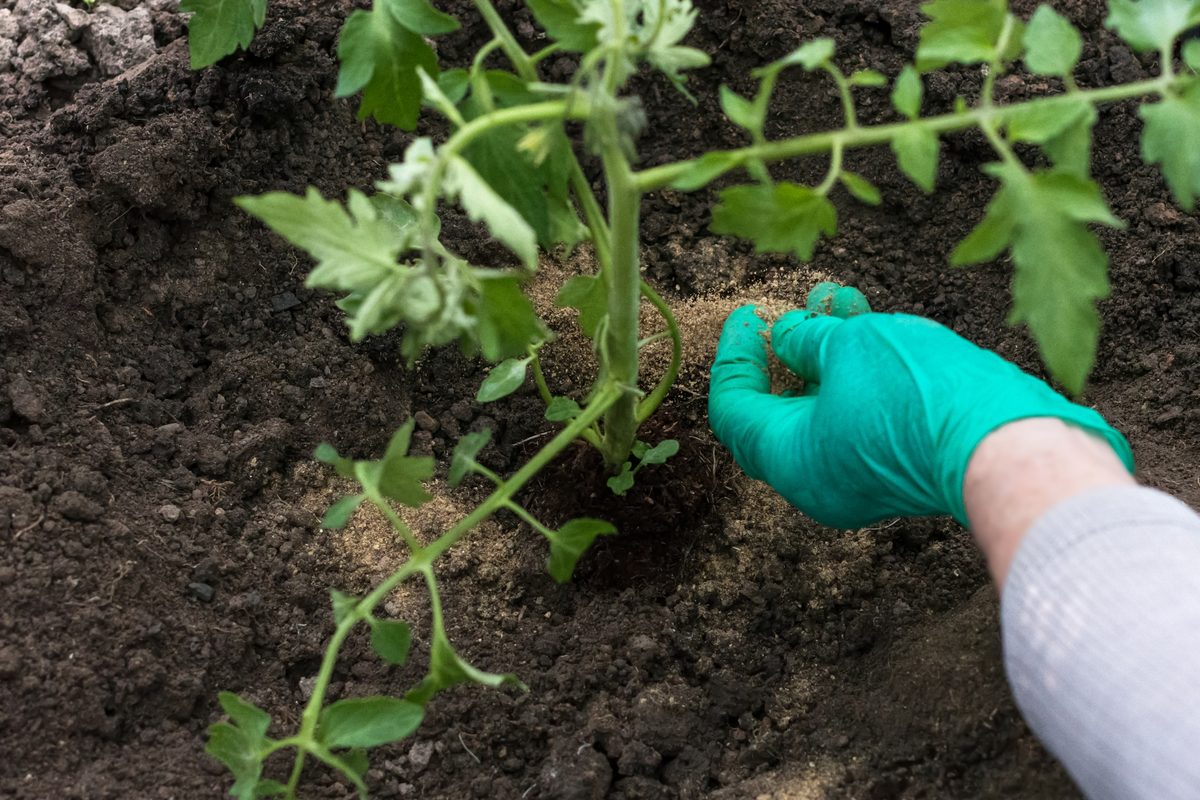
At planting time. Mix the powder directly into the soil. Use about a tablespoon per hole. Place it in the ground before planting the plant. This gives the young roots immediate access to nutrients without burning them. It’s a gentle start.
During the growing season. Side-dress the plants. Sprinkle the meal around the base of the stem. Do not stack it against the stem itself. That can invite rot or pests. Lightly scrape it into the surface soil. Water it in well. Water activates the action of microbes that break down the meal.
For quick fixes. If your plants are looking pale or stunted, you may need some fast acting nitrogen. Look for fish emulsion or liquid fish fertilizer. Dilute it in your watering can. Spray or water the soil. This avoids decay time and provides immediate care for leaves and roots.
Addressing the odor and cost concerns
Odor is the biggest obstacle for new users. Open the bag. Yes, it stinks. It is a strong scent of the sea. But this smell won’t last. When you mix it into the soil, the smell will disappear in a few hours. It doesn’t stay in the garden.
Some people fear that it will attract animals. Cats and rodents may explore fresh piles. If you bury it even two inches deep, they will lose interest. Once incorporated, it is no longer a food source for them. It is a soil amendment.
Another concern is cost. Fishmeal is not cheap per kilo. But you use very little. One small bag is enough for a typical home garden for the entire season. Compare that to buying nitrogen, phosphorus and potassium supplements separately. Or compare it to high quality synthetic blends. The price per use of fishmeal is often lower.
Impact on the environment
Each bag of fishmeal is a recycling project. This is waste that would otherwise end up in a landfill or a low-value waste recycling facility. It gives this waste a second life as food for your garden.
This reduces the load on chemical fertilizers. Synthetic fertilizers end up in waterways. They cause algal blooms. They deplete soil biology. Fishmeal strengthens soil biology. This means that nutrients remain in the soil for longer. It’s a sustainable choice.
Make a change
There are dozens of organic options on the market. Compost. Manure. Bone meal. Everyone has their place. But fish meal stands out for tomatoes. It meets the special needs of fruit plants. It promotes root health. It improves the taste. It is easy to use.
If you’re struggling with a late rut, poor conception, or mushy tomatoes, try adding fishmeal to your routine. It’s not a panacea for bad gardening habits. You still need sun, water, and good air circulation. It removes one variable from the equation. It gives your plants the best possible starting point.
The soil is changing. The plants are getting thicker. And when you bite into that first summer tomato, you might notice the difference. It’s subtle at first. Then it becomes clear.


