























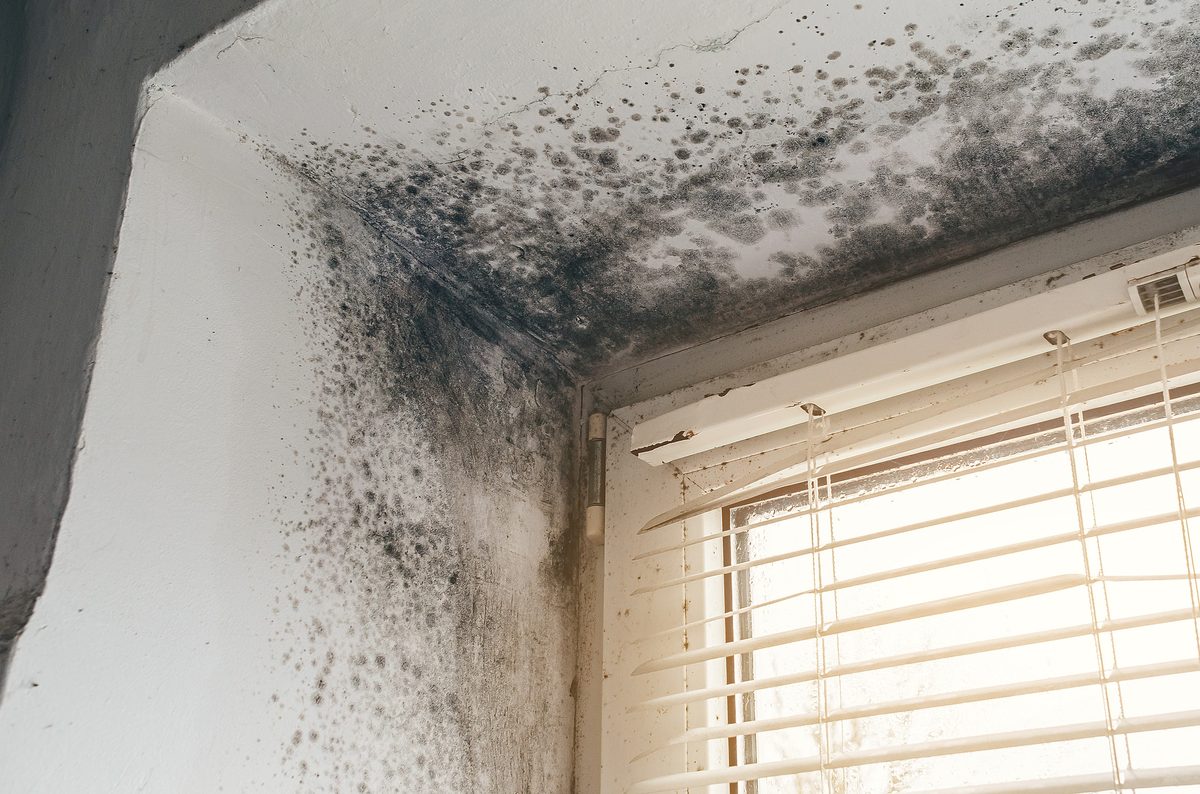
The chill hits in November. Humidity spikes indoors. Walls become breeding grounds for black spots. Dark stains creep across the ceiling. That stale, musty smell lingers like a ghost. It isn’t just an aesthetic annoyance. It is a health hazard. Asthma flares. Allergies worsen. Children and the elderly suffer the most.
You might think waiting for spring will fix it. Or turning up the heat might dry things out. That is a gamble you cannot afford.
Living in a mold-infested home violates the French legal standard for “decent housing” under the Code de la construction et de l’habitation.
This is not about comfort. It is about rights. Tenants have a fundamental right to a healthy living environment. If your landlord is ignoring the damp patches, you have legal leverage. You do not need to wait for them to react. Here is how to force action, protect your health, and stop the rot without draining your wallet.
Зміст
Recognize the Danger Signs
Mold does not just ruin your decor. It degrades air quality. Look for these specific indicators:
- Visual Spots: Green, black, or white patches on walls or ceilings.
- Odors: A persistent, earthy smell that does not air out.
- Physical Sensations: Itchy eyes, sore throat, or difficulty breathing indoors.
These issues peak in autumn and winter. Why? Because natural ventilation drops. Windows stay shut. Heating is on, but without airflow, moisture gets trapped. If you see these signs, do not ignore them. Document everything. Photos with timestamps are your first line of defense.
The Legal Obligation
Landlords in France must provide housing that meets specific decency criteria. Mold indicates a failure to maintain the property’s structure or ventilation systems. This is a breach of the lease.
The law is on your side. A home covered in mold is legally uninhabitable. You are not asking for a favor. You are demanding compliance with the Code de la construction et de l’habitation. Ignoring this puts vulnerable residents at risk. It is also a violation of their basic civil rights.
Forcing the Owner’s Hand
Passive requests often fail. You need formal, traceable steps. The goal is to create a paper trail that proves negligence.
- Send a Registered Letter with Acknowledgment of Receipt (LRAR): This is non-negotiable. Do not just talk to the landlord. Write to them. Describe the mold. Mention the health risks. Demand repair within a reasonable timeframe. Keep a copy.
- Cite the Law: Reference the Code de la construction et de l’habitation. State that the property no longer meets decency standards. This shifts the conversation from “complaint” to “legal non-compliance.”
- Involve Third Parties: If the landlord ignores the LRAR, contact your local housing authority or a tenant association. They can provide official reports or mediation.
- Consider Rent Reduction: In some cases, tenants can seek a partial rent reduction for the period the home was uninhabitable. This requires legal advice and proper documentation.
Immediate Safety Steps
While you fight the legal battle, protect yourself
法律现实:您无需对结构性霉菌负责
让我们明确一下这里的责任层次。 当出租房屋出现霉菌时,租客不需要用漂白剂和希望来修复它。 法律对此有明确规定。 根据1989年7月6日法国法律第6条,房东对租赁财产的总体状况承担全部责任。 这包括提供一个没有过度湿度和霉菌的可居住空间的法律义务,以免损害居住者的健康或舒适度。
房东必须承担维修费用。 租户没有法律义务为重大维修或墙壁翻新提供资金。
这些并不是抽象的建议。 如果霉菌是由建筑缺陷引起的——隔热不良、通风不良、泄漏或渗水——房东必须资助必要的工作,以消除原因并恢复房屋的卫生。 如果他们未能在合理的时间内采取行动,租户可以利用官方手段强制采取行动,而无需花费自己一毛钱。
如何记录并报告而不必焦虑
You don’t need a law degree or arguments to demand that landlords take action. A documented, systematic approach is needed. This process is free and designed to protect you in order to maintain a professional standing.
1. 收集具体证据
Let’s start with the facts. Take clear pictures of damaged walls, ceilings and any visible mold growth. If you have a hygrometer (often available from pharmacies), record the humidity level. If you have health problems (such as breathing problems), get a medical certificate stating that the problems are caused by the humidity.
2.正式书面通知
Don’t rely on verbal complaints. Send by registered letter with return receipt (lettre recommandée avec Accusé de réception ). Describe the situation in detail, include photos, and clearly request that the landlord make the necessary repairs to restore the home to “livability” (décence ). Set clear deadlines for answers.
3. 向第三方升级投诉
If you do not receive an answer within a month, contact the authorities. Contact your local health department or the department’s conciliation committee. These agencies may issue 维修禁令. This step formally shifts the pressure to the landlord and shows that all amicable and legal channels have been used.
Escalation: What happens if the landlord says no?
The risk increases if the landlord ignores the letter or refuses to act altogether. This law provides specific safeguards to prevent tenants from living in unsanitary conditions.
不卫生检查
If the problem is reported to the city or county, an official “unhealthy” (unfit for habitation) inspection may be ordered. If the inspectors find that the home is dangerous to health, a lawsuit is launched to force the landlord to carry out the work.
Legal measures and suspension of rent
If the situation is urgent or aggravating, you can take the matter to the 司法法院. You can receive a formal notice (mise en demeure ) and in some cases request that part of your rent payments be suspended until the property is 符合标准.
The law protects tenants from retaliation. Landlords cannot legally evict or punish tenants who exercise these rights.
The goal is simple. It’s about your home being 体面, safe and compliant. If you have a mold infestation with the fall chill, don’t try to hide it or 自行处理. The law is on your side. The landlord is required to pay all repair costs. We have the tools to act quickly and efficiently. The choice is no longer 关于妥协,而是关于执行. 这是您的权利 to live in a dry and healthy environment.