



























This sounds contradictory. Get out the garden supplies to fix your bathroom floor. But the truth is that Naturally Whitening Tile Grout does not require harsh chemicals or expensive industrial cleaners. A simple, inexpensive, natural ingredient commonly used outdoors for plant care and road maintenance works wonders indoors. It’s very easy to find. It transforms even the most encrusted joints. Once you try it, you wonder why you bought a special grout pen.
Зміст
Secret Pantry Ingredients
This product is baking soda (baking soda). We think this is common. We forget about its power. In gardening, it can regulate soil acidity and fight fungi. Indoors, it becomes a versatile powerhouse. The slightly abrasive texture removes stains without damaging tiles. Naturally sterilizes and removes mold and bacteria. It also absorbs odors. Therefore, it is very effective on grout, where it acts like a sponge, absorbing dirt and moisture.
Practical and effective two-step method
You don’t need a PhD in chemistry to use this. For your kitchen you only need two products.
- **Mix the paste. ** Mix baking soda and white vinegar. This reaction produces a foaming cleaner that penetrates deep into porous grout lines.
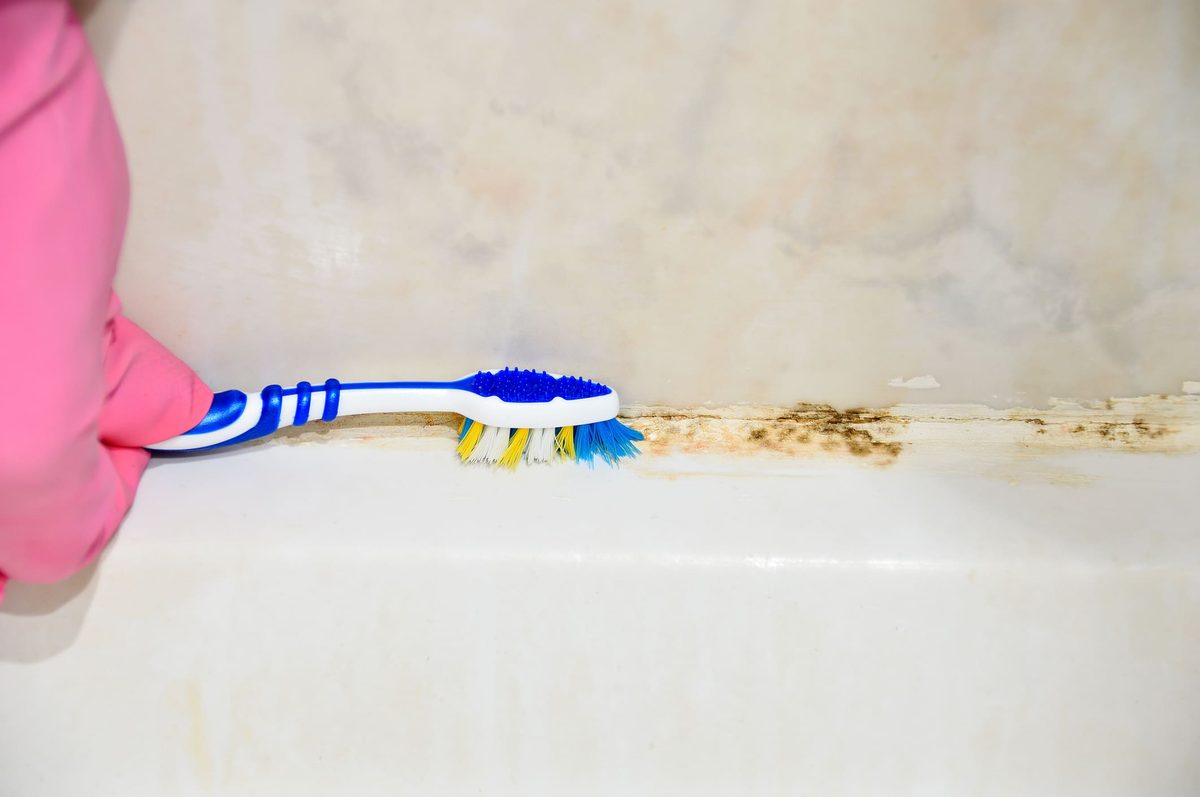
- Apply and wait. Use an old toothbrush or sponge to apply the paste to the grout. Leave for about 15 minutes. This gives the mixture time to dissolve the stain.
- Scrub and rinse. Scrub firmly. Then rinse with warm water. Joints look lighter. cleaner. Almost new.
Why it’s better than commercial cleaners
Many store-bought grout cleaners use bleach or strong acids. They fume. Over time, the surface may become damaged. Baking soda is milder. The integrity of the tile is preserved. Safe for pets and children. Does not leave toxic residues. And it also costs a penny.
“Using garden tools to clean grout may seem surprising… but once you try it, you’ll never go back.”
Alternative for stubborn stains
Bicarbonate is the base. But sometimes you need a little more power.
- Lemon Juice and Kosher Salt: The acidity of the lemon cuts through the oil, and the salt provides extra abrasion. Good for kitchen backsplashes.
Black Soap (Savon Noir): Deep cleansing without aggressive surfactants. Ideal for kitchen floors where food particles often accumulate. - Hydrogen Peroxide: Use on moldy or blackened joints. Just a few drops will restore the original brightness. Although effective, it is relatively safe compared to chlorine bleach.
Prevention: Stop mold before it starts
Cleaning is reactive. Be proactive in prevention. If you want the solution to remain white for a long time, control the environment.
** Ventilate. Open bathroom and laundry rooms after use. Constant humidity can lead to mold.
Wipe down. Use a squeegee or dry cloth every time you shower. Remove accumulated water.
Weekly maintenance. **A quick wipe with a diluted vinegar solution or mild natural soap will help prevent dirt buildup. Don’t let the grime have time to harden.
Conclusion
Why complicate the situation? Whitening tile grout naturally is economical, environmentally friendly and effective. Suitable for floors, walls, kitchens, etc. Non-toxic. Always at hand.
There is no need to scour your grout for hours with industrial gunk. A paste of baking soda and vinegar can do the hard work for you. This is a small change in daily life. A smart way to keep your home tidy. The results are immediate. The long-term benefits are even better.
Try it once. You might even stop buying special cleaning products altogether.