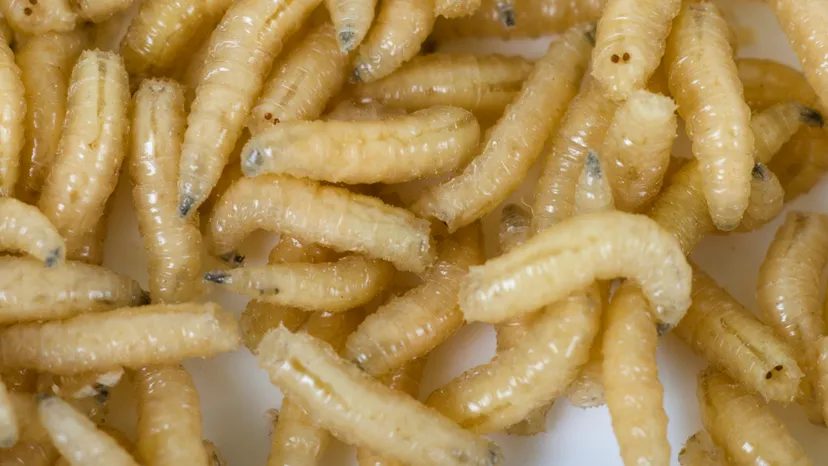
Maggots are the larvae of houseflies and related species. They are white, worm-like and thrive in decaying organic material. You’ll likely find them in trash cans, compost bins, or infesting rotting fruits and vegetables. Medical professionals use special maggots to clean wounds and kill bacteria, but finding them in the kitchen or garden is usually a sign of a pest problem.
These creatures play a role in nature by breaking down dead animals and biodegradable waste. This process helps return nutrients back to the soil. But at home or in the vegetable garden, they are unwelcome intruders. To keep your space free of these pests, you need to understand their life cycle and how to break it.
Understanding the Infestation
Female flies lay their eggs in moist, organic material. This could be rotten food, spoiled produce or even pet waste. eggs hatch from these eggs in a day. The larvae feed voraciously on the organic matter present. When they are big enough, they turn into adult flies, which then look for wetter areas to lay their eggs.
Recognizing this cycle is the key to control. If you see larvae, it means that the flies were already active in the area. You need to kill the larvae and prevent the adults from returning.
4 effective ways to kill maggots
If you notice an infestation, you have several options. You can choose chemical solutions for a quick kill or natural remedies for a more organic approach. The best method depends on where the larvae are and how severe the problem is.
1. Use insecticides
Insecticides offer a quick solution. They are particularly suitable for protecting garden plants from maggot damage. When using these chemicals, safety is the number one priority. Wear gloves and wash your hands thoroughly after use. Always read the label carefully to make sure the product is safe for your garden environment.
2. Sprinkle Diatomaceous Earth
Diatomaceous earth is an excellent organic alternative. It acts as a natural drying agent. Sprinkle this powder over areas where maggots are present, such as trash cans or compost piles. The substance kills the larvae by drying their bodies. It is a non-toxic alternative to harsh chemicals.
3. Apply lime, salt or vinegar
These common household items create an inhospitable environment for maggots. Lime, salt or vinegar can effectively kill them on contact. The vinegar solution is particularly suitable for cleaning trash cans. This not only kills existing maggots, but also prevents future infestations by removing the odor that attracts flies.
4. Pour Boiling Water
Boiling water is an easy way to kill the larvae immediately. It is especially useful for hard-to-reach places. Use this technique to infestations inside garbage or deep waste containers. The heat kills the larvae on contact without leaving any chemical residue.
Prevent future infestations
Removing the current batch of maggots is only half the battle. You also need to make your environment less inviting to keep them from coming back.
Hygiene and storage
The main attraction is improper waste disposal. Good hygiene is central to prevention. Regularly clean and disinfect areas that are prone to larval activity, such as: kitchen surfaces and trash cans. Use airtight containers to store food. This is especially important with pet food and food scraps. Sealing these items reduces the chance of attracting flies.
Integrated pest control
Implement a strategy that combines different methods. This includes regular hygiene, using natural repellents such as rock salt, and using chemical methods only when necessary. This holistic approach keeps pest populations under control in the long term.
Protect your trash and compost
Make sure trash cans and compost areas are well-maintained. Properly sealed containers greatly reduce the likelihood of infestation. Use sturdy trash bags and seal them securely in the trash can. This physical barrier prevents flies from laying eggs in the trash.
The fight against the maggots continues. It requires vigilance and a clean environment. After removing the current infestation, look for the next sign of flies. One missed spot can start the cycle all over again.