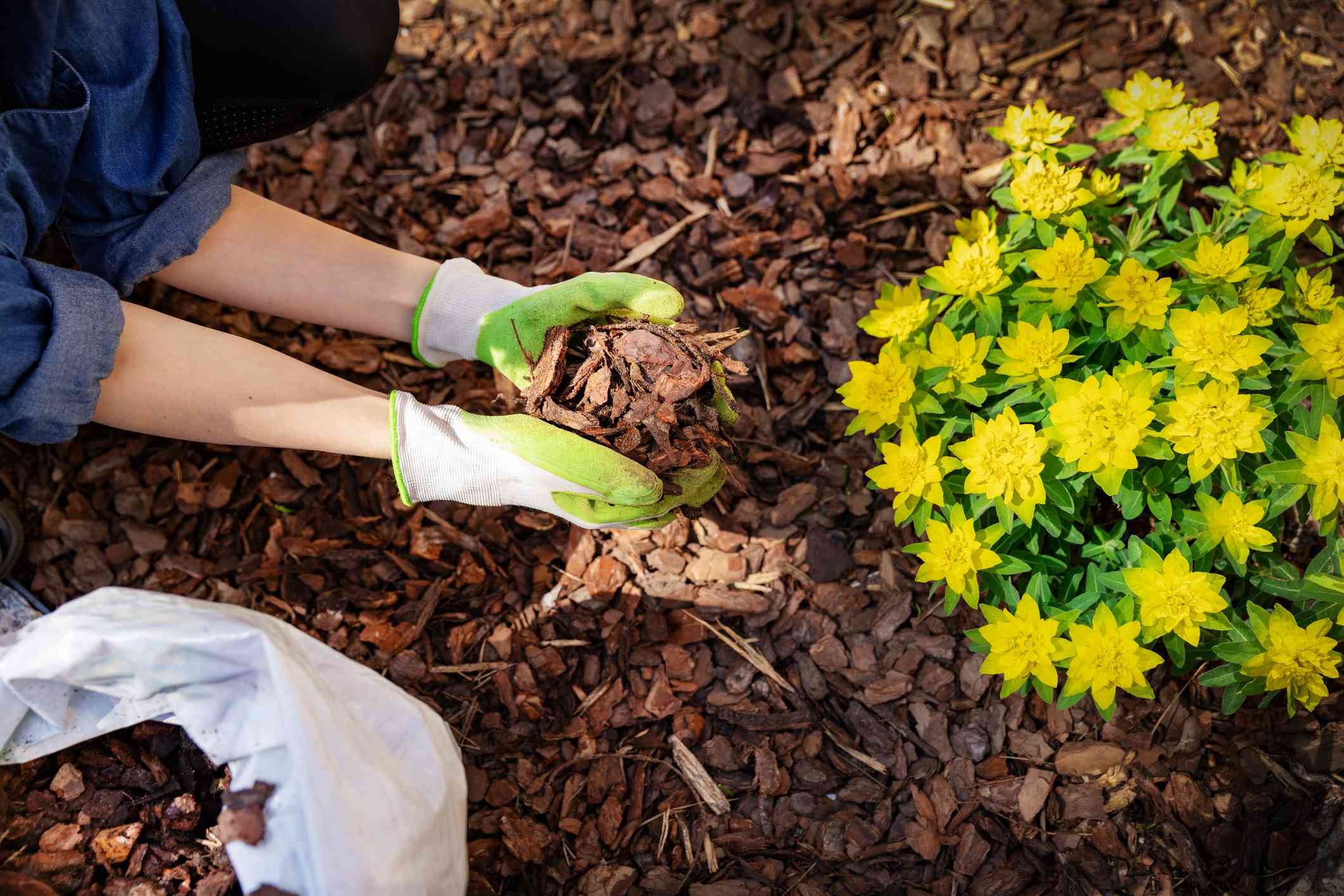
You want fewer weeds. You want a healthier garden. And you probably want to avoid reaching for harsh herbicides.
It sounds like a simple equation. But nature rarely obeys simple math.
So, does mulching really stop weeds? Or is it just another marketing pitch for landscape supply stores?
According to experts, the answer is yes. But with a caveat: you have to do it right.
Зміст
The Science Behind Weed Suppression
Mulching isn’t magic. It’s physics. And biology.
Gardening pro Kelly Funk puts it bluntly. Mulch works because it blocks sunlight. Weeds are plants. Plants need light to germinate. No light? No weeds.
“If weeds do manage to germinate, mulh makes it much harder for them to break,” Funk explains.
It’s a physical barrier. A thick layer of material stops weak sprouts from pushing through the weight of the organic matter.
Horticulturist Justin Hancock agrees. He calls the effect “miraculous” for a reason.
Most seeds that sprout under mulch never see the sun. They fizzle out. They die young. They don’t mature. They don’t compete with your prized vegetables or flowers.
“Some studies show that a good layer can prevent up to 80 percent of weeds from growing,” Hancock notes.
Eighty percent. That’s a significant reduction. But it’s not zero.
Why? Because mulch also affects moisture.
Contrary to what you might think, mulch keeps soil moist. Weeds prefer dry, bare soil. Mulch creates a humid microclimate. This discourages many weed species. It also stops new seeds from reaching the surface layer of soil where they need to land to germinate.
More Than Just Weed Control
If you think mulch is only for fighting weeds, you’re missing the bigger picture.
Mulch is a multi-tool.
In dry, hot, or windy climates, it’s essential. Funk points out that it reduces evaporation. It locks water into the root zone. This conserves water. It helps your garden survive droughts without constant irrigation.
It also regulates temperature.
Roots hate extremes. In summer, mulch keeps roots cool. In winter, it keeps them warm. This stability reduces stress. Healthy plants fight diseases better. They grow faster. They yield more.
And then there’s the soil itself.
As organic mulches break down, they add nutrients. They add organic matter. They improve structure. They help soil retain moisture and drain properly. This cycle of decay feeds the future garden.
Mulch also prevents erosion. Rain doesn’t blast bare soil into runoff. Wind doesn’t blow away topsoil. The bed stays in place. It looks tidy. It looks polished.
Choosing the Right Material
Not all mulches are created equal.
Funk advises matching the material to your specific goals.
For soil enrichment: Use organic options. Bark. Straw. Compost. These break down and feed the soil.
For low maintenance: Use inorganic options. Gravel. Rubber. These last years without degrading. But they don’t improve soil health.
For vegetable gardens: Funk suggests straw or leaf mulch. They are light. They don’t mat down easily. They let water through.
For trees and perennials: Bark or woodchips work best. They mimic the forest floor. They protect shallow roots.
For aesthetics: Bark. Cocoa hulls. Dyed mulch. These look neat. They stand out. Straw and leaves lean rustic.
For wet climates: Choose materials that don’t hold excess moisture. Heavy, dense mulches can rot plant stems in humid environments.
For dry climates: Choose moisture-retaining mulches. You need every drop.
The Application Matters More Than the Product
You can buy the best mulch in the world. If you spread it wrong, it will fail.
Do not exceed four inches.
Thicker layers suffocate roots. They block oxygen. They retain too much water. They create anaerobic conditions that kill plants.
Spread it evenly.
And here is the critical part: Avoid “mulch volcanoes.”
Piling mulch against stems or trunks invites rot. Fungi love dark, damp, undisturbed organic matter touching living wood. Give plants breathing room. Keep mulch two inches away from trunks.
Also, beware of unknown sources.
Dyed mulches can contain harmful chemicals if the source is questionable. Stick to known, safe suppliers.
Refresh annually or bi-annually. Mulch breaks down. It compacts. It loses effectiveness. Add a fresh layer every year or two.
Water before you apply. Water after you apply. This helps settle the mulch. It locks in the moisture benefit immediately.
Other Natural Strategies
Mulch is powerful. But it isn’t the only tool in your arsenal.
Funk suggests considering these additional natural weed controls:
- Corn gluten meal: A pre-emergent herbicide that prevents weed seeds from germinating.
- Vinegar spray: Acetic acid burns weed foliage on contact. Good for annual weeds.
- Boiling water: A brute-force method for driveways and patios. It kills on contact.
- Hand pulling: The most direct method. Effective if done before seeds set.
- Flame weeding: Uses heat to burst cell walls. Great for cracks in pavement.
- Dense planting: Crowd out weeds by filling bare spaces with your own plants.
Combine these with mulch. Layer your strategies.
There is no silver bullet. Weeds adapt. They evolve. They persist.
But a well-mulched, well-planned garden resists them far better than a neglected one.
Does it stop them completely? Rarely.
Does it make them manageable? Absolutely.
The goal isn’t perfection. The goal is a garden that works with nature, not against it. Start with the mulch. Add the rest as needed. See what survives.


