
























Selling a house is stressful. Doing it with animals in the picture? That adds a whole new layer of anxiety. You might not see the damage every day. Buyers will.
In fact, pet ownership can significantly reduce your home’s value. It isn’t just about cuteness. It is about the scratches. The odors. The holes in the drywall. Smart buyers look past the decor. They hunt for signs of neglect or destruction. If they find it, they walk. Or worse, they lowball you.
To get the highest price, you have to stage your home as if you are not a pet owner. This means eliminating the evidence. Some fixes are quick. Others require serious work. Even if your house is spotless, lingering pet issues can knock up to $30,000 off the sale price. You need to address the root causes before listing.
Here are the top five problems you must fix to protect your equity.
Зміст
5: Landscaping and Exterior Damage
The first thing a buyer sees is the curb appeal. Your pet’s habits are likely visible from the street. Dogs digging holes in the lawn is a classic sign of a pet owner. Cats using your flower beds as litter boxes leave a different, equally pungent trace. These aren’t just cosmetic issues. They signal potential hidden costs to a buyer.
You need to assess the exterior thoroughly. Look for:
- Digging spots: Fill in holes and resod or seed the area. A patchy lawn suggests poor maintenance.
- Urine stains: Dark patches on grass often indicate repeated dog traffic. These can kill the grass and soil quality.
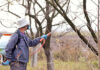
- Scratched trees: Cats and dogs often scratch tree trunks for marking or play. This damages the bark and can harm the tree’s health.
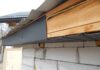
- Chewed trim: Baseboards around the perimeter of the house often suffer from chewing.
Repairing the landscaping is not just about looking good. It is about proving the yard is healthy and usable. Buyers want to imagine their own dog running in the yard. They do not want to imagine digging through your dog’s old hiding spots.
Use a rake to smooth out dirt. Add fresh mulch to defined beds. If a tree is damaged, consider calling an arborist. It might be cheaper than losing a sale.
A clean exterior says “well-kept.” A damaged one says “neglect.”
Start with the yard. It sets the tone. If the outside looks ignored, buyers assume the inside is worse. You need to reset their expectations before they even open the front door.
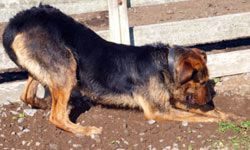
Yard and Exterior Prep
The curb appeal is your first impression. Buyers decide if they like the house before they even cross the threshold. So start outside. Look at the lawn. Are there holes? Dog digging creates ugly craters that scream “pet owner” to skeptical buyers. Fill them. All of them. Small ones don’t matter less.
Some trainers recommend filling the holes with bricks or rocks before covering them with dirt. It’s a deterrent. Dogs hate kicking up loose gravel or hard stone. It breaks their rhythm. Combine that with daily exercise and chew toys, and your yard stays intact.
Check the plants too. Cats and dogs chew on shrubbery. It’s instinct. Sad-looking greenery drags down the value of your landscaping. Replace the damaged plants. Keep pets away from the new growth until the house sells.
Porch, deck, and fences get hit hard. Inspect for scratch marks and chewed wood. Sandpaper, wood filler, and paint fix most surface issues. If your deck or fence is stained, you need to be careful. Pre-treat repaired areas with a waterproof primer. This seals in the old stain so it doesn’t bleed through the new coat.
4: Chewing Damage
Chewing is inevitable. If a pet can reach it, they will test it. Scan the perimeter of your rooms. Look at floor trim. Check door thresholds. Corners of cabinets are prime real estate for teeth marks.
Don’t skip the windows. Cat claws leave gouges in screens and window sills. This damage is often better replaced than repaired. Why? Saliva. Pet odor lingers in wood fibers. Sanding might smooth the surface, but the smell stays. Buyers have good noses. They will smell the dog.
Carpet is tricky. If the damage is along the edges, a professional can stretch and re-tack it. It’s cheaper than replacement. But if the bite marks are in the middle of the room? Replace it. It’s the only way to ensure the fibers look uniform.
Furniture gets chewed too. If your sofa has teeth marks, store it. Seriously. To some buyers, the sight of a chewed chair signals a “pet home.” They assume there’s more damage hidden away. You can prevent this by keeping pets exercised and occupied with toys during showings. It’s a temporary fix, but it helps.
Fleas
Fleas are non-negotiable. If your pet has them, your home has them. You can’t just vacuum them out. Hire a professional treatment service. Get the carpets and furniture sprayed before you list.
You don’t want a buyer leaving with bites. One complaint from a showing agent can kill a sale. It’s messy. It’s embarrassing. It’s preventable.
3: Scratches
Scratches accumulate. You might not notice them after a year or two of living with them. Buyers see every inch. Hardwood floors are the biggest giveaway. Deep scratches require professional refinishing. It’s an investment, but it resets the floor to a neutral, clean state.
Walls and trim take hits too. Light sanding, spackle, and a fresh coat of paint erase most marks. Do the same for doors and painted cabinets.
Wood cabinets are harder. If you have stained wood, matching the color is tough. A deep scratch on a cabinet door—especially the one where you keep the dog treats—might need replacement. Finding the exact style and stain match is difficult. If you can’t match it, replace the door.
Check your furniture again. Scratched leather or fabric tells a story buyers don’t want to hear. It suggests wear and tear that might extend beyond the pet issues.
2: Stains
Stains are the silent killer of home values. Pet accidents leave residues in carpets and upholstery. Even if the spot looks clean, the enzymes remain. They attract more dirt. They cause odors.
Professional cleaning is the only real fix. Steam cleaning pulls deep-seated grime. For stubborn stains, you might need specialized enzymatic cleaners that break down the organic matter.
Upholstery is tricky. If a cat threw up on the couch, don’t just wipe it. Treat it immediately. If the stain sets, it becomes permanent. Consider removable covers for easy washing.
Hardwood floors can get stained from water bowls or accidents. Wipe spills instantly. Use a pH-neutral cleaner. Avoid harsh chemicals that strip the finish.
Don’t ignore the carpet padding. If the urine soaks through, the padding is ruined. It holds moisture. It breeds bacteria. Replace the padding. Just cleaning the carpet isn’t enough.
Painted walls absorb splashes. A wet wipe might miss the microscopic particles. A fresh coat of paint is often the only way to ensure the wall looks new. It’s cheap. It’s effective.
These fixes take time. But they add up. Buyers look for move-in readiness. They don’t want to budget for repairs. They want to walk in and see their life, not your pet’s habits.
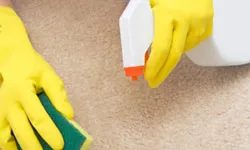
Stains don’t just sit on the surface. They sink in. By the time you see them, the damage is often set. Buyers will smell them before they even step through the front door. And if they notice a stain, they’ll assume there’s more hidden. You need to fix this before listing. A simple spray cleaner won’t cut it.
If your carpet has been hit by an accident, patching it is the only real solution. Pull out the stained section. Cut a clean piece from a closet or under a bed. Sew or glue in a new patch. If the stain went deep, the pad underneath is probably ruined too. Replace that. It’s cheap insurance against a buyer walking away.
Laminate and vinyl floors are trickier. You can’t patch those easily. If there’s a visible stain or discoloration, replace the plank. It’s not that hard. Click-lock systems make it manageable for a DIYer. Just measure twice. Cut once.
Walls and trim are next. Paint over stains? No. That just traps the smell. If you can, replace the drywall sheet. Cut out the stained area. Patch it with new drywall. Prime it with a heavy-duty, odor-sealing primer. Then paint. If budget is tight, skip the drywall replacement. Go straight to the best odor-blocking primer you can find. Shellac-based primers work wonders. They seal the stain. They lock in the odor. Nothing gets through.
Where Odors Hide
Odors are the enemy. They are the number one thing that kills a sale. Buyers walk in. They sniff. They leave. It’s that simple.
Pets leave traces everywhere. You think you cleaned it. You didn’t. The urine salts are still there. They react with humidity. They release ammonia smells. It’s not magic. It’s chemistry.
Check the obvious spots. The windowsill. The corner of the room. The baseboard. If your cat threw up on the wood trim, paint won’t fix it. The wood has absorbed the moisture. You need to cut out that piece of trim. Replace it with new molding. Sand it. Prime it. Paint it.
Flooring is a major culprit. Carpet is a sponge. It holds urine for years. If you’ve had a pet for a long time, the subfloor beneath the pad might be stained. Peel back the carpet. Look at the plywood. Is it discolored? Is it soft? If so, you have a problem. Replacing subflooring is a bigger job. Hire a pro if you aren’t comfortable with circular saws and nail guns. If it’s just surface level, seal the subfloor with an industrial-grade primer before laying new carpet.
Drywall is porous. It drinks up liquids. If a pet accident happened against a wall, the odor is in the gypsum. You can’t paint over that. Replace the drywall. Or, if you’re lucky, the stain is high up. Then you can use a heavy primer. But don’t risk it. Replace it.
Furniture? If it’s upholstered and has had an accident, sell it. Give it away. Don’t try to clean it for the showing. It’s not worth the effort. Remove it entirely.
Vacuum daily. Not weekly. Daily. Pet hair, dander, sweat. It all smells when it builds up. If you can’t board your pet, or ask a friend to take it, you need to vacuum. Use a HEPA filter. It catches the fine particles. It keeps the air fresh.
HVAC and Air Quality
Pet hair doesn’t stay in the carpet. It travels. It goes into your vents. It coats your ducts. It clogs your system.
A dirty HVAC system recirculates odors. It blows pet hair back into the rooms. It makes the air feel stale. Buyers will notice the air quality. They’ll notice the dust.
Have your ducts professionally cleaned. It’s a standard service. It’s not expensive compared to a failed sale. Have your HVAC system maintained. Change the filters. Clean the coils. Ensure it’s running efficiently.
Buyers are sensitive to air. If it smells like a pet, they’ll assume the home is poorly maintained. They’ll assume there are hidden problems. Fix the air. Fix the stains. Fix the floors.
Then let them see it.