


























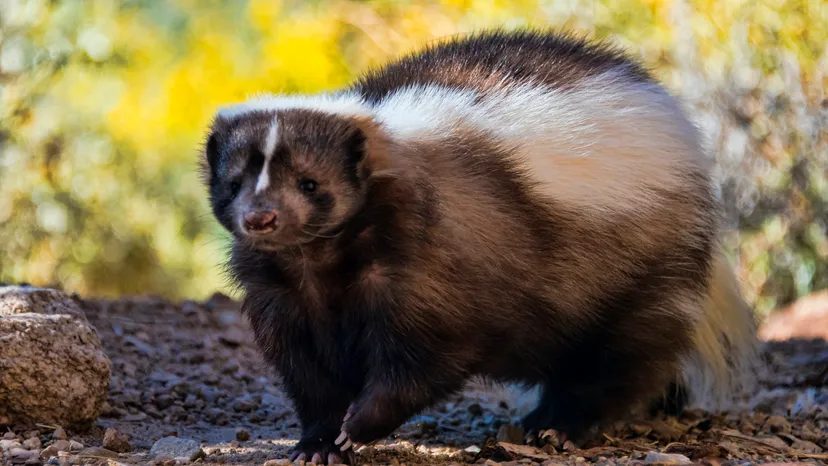
Skunks eat grubs, insects, small rodents, and carrion. They also snack on fruits and vegetables. Most people don’t care about their diet. They care about the spray. It’s nasty. It lingers. It ruins everything it touches.
If you are dealing with a skunk problem, you need a skunk repellent. You can make one at home. You can also buy one. Both options work if you follow the right steps. This guide shows you how to keep these animals out of your yard safely.
Зміст
Why You Need to Deter Skunks Now
Skunks are more than just a nuisance. They are a hazard. The spray is their main weapon. It smells like sulfur. It sticks to clothes, skin, and siding. Removing it takes time and strong chemicals. You don’t want to spend your weekend scrubbing laundry.
They also mess up your trash. Skunks rummage through bins for food. They scatter garbage everywhere. Cleaning that up is a chore you didn’t sign up for.
Your lawn takes a hit too. They dig for grubs. This tears up your grass. It looks bad. It costs money to fix.
Pets are at risk. Skunks can bite dogs or cats. They carry rabies. That is a serious health threat.
Burrowing is another issue. Skunks dig under decks. They dig under sheds. They dig under house foundations. This causes structural damage. Repairs are expensive.
These factors make skunks unwanted visitors. You need to act before they settle in.
How to Repel Skunks From Your Property
Prevention is better than cure. Make your property unappealing. Skunks look for easy food and safe shelter. Remove both.
- Keep trash cans covered tightly. Use bungee cords if needed. Make sure they can’t tip over.
- Feed pets indoors. Don’t leave food out at night.
- Empty bird feeders before dark. Skunks will eat seed if they find it.
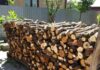
- Remove wood piles. Clear away compost. Get rid of junk.
- Cover piles you can’t move. Use a heavy tarp. Seal it down.
Skunks need cover to den. Give them nowhere to hide.
Natural Ingredients Make the Best Skunk Repellent
You can make a skunk repellent using ingredients from your kitchen. These methods are safe for most plants. They target the skunk’s sensitive nose.
Hot Pepper Spray
If skunks are eating your garden vegetables, spray them with hot pepper. Mix water with hot pepper extract. Spray the plants. The taste stops them.
Plant Barriers
Not ready for the spray? Try planting cucumbers or squash. Their prickly leaves deter skunks. Plant them among your vegetables. It acts as a physical barrier.
Onion and Cayenne Boil
This works well around a den. Chop one yellow onion. Chop one jalapeño. Add one tablespoon of cayenne pepper. Boil these in two quarts of water for 20 minutes. Strain the liquid. Pour it into a spray bottle. Squirt it around the den entrance. The smell is overwhelming for skunks.
Ammonia Stations
Skunks hate ammonia. Place a bowl of ammonia on the ground near paths or porches. Soak a rag in it and put it in the bowl. The fumes keep them away. Be careful. Ammonia burns grass and plants. Keep it away from greenery.
Best Commercial Solutions to Repel Skunks
Sometimes you don’t have time for DIY. You want a quick fix. Commercial repellents work fast. They rely on science and instinct.
PredatorPee Coyote Urine Trigger
Skunks fear predators. This spray uses coyote urine. It triggers their survival instinct. Apply it around your property perimeter. Use the scent tags for better coverage. One application lasts about a month.
Essentially KateS Peppermint Oil
Skunks dislike strong mint scents. This product uses peppermint essential oil. Dilute it and spray it around your home. It also works as a cleaner. It freshens the air. It’s a multi-use solution.
RibRave Ultrasonic Repeller
Go electronic. This device uses ultrasonic sound waves. It also flashes LED lights. The combination scares skunks away. It is solar powered. It is waterproof. The range is 26 feet. For larger yards, you may need multiple units.
Safe and Effective Protection
You have choices. Natural sprays. Strong smells. Electronic devices. All of them work. Some rely on garlic oil. Others use black pepper. Results vary based on the skunk’s hunger and habit.
The goal is humane deterrence. You want them gone. Not dead. Not hurt. Just elsewhere.
Protect your property. Protect your pets. Keep your yard odor-free.
The spray is bad. The damage is worse. Don’t let skunks win. Take action now.
Your home is worth the effort.